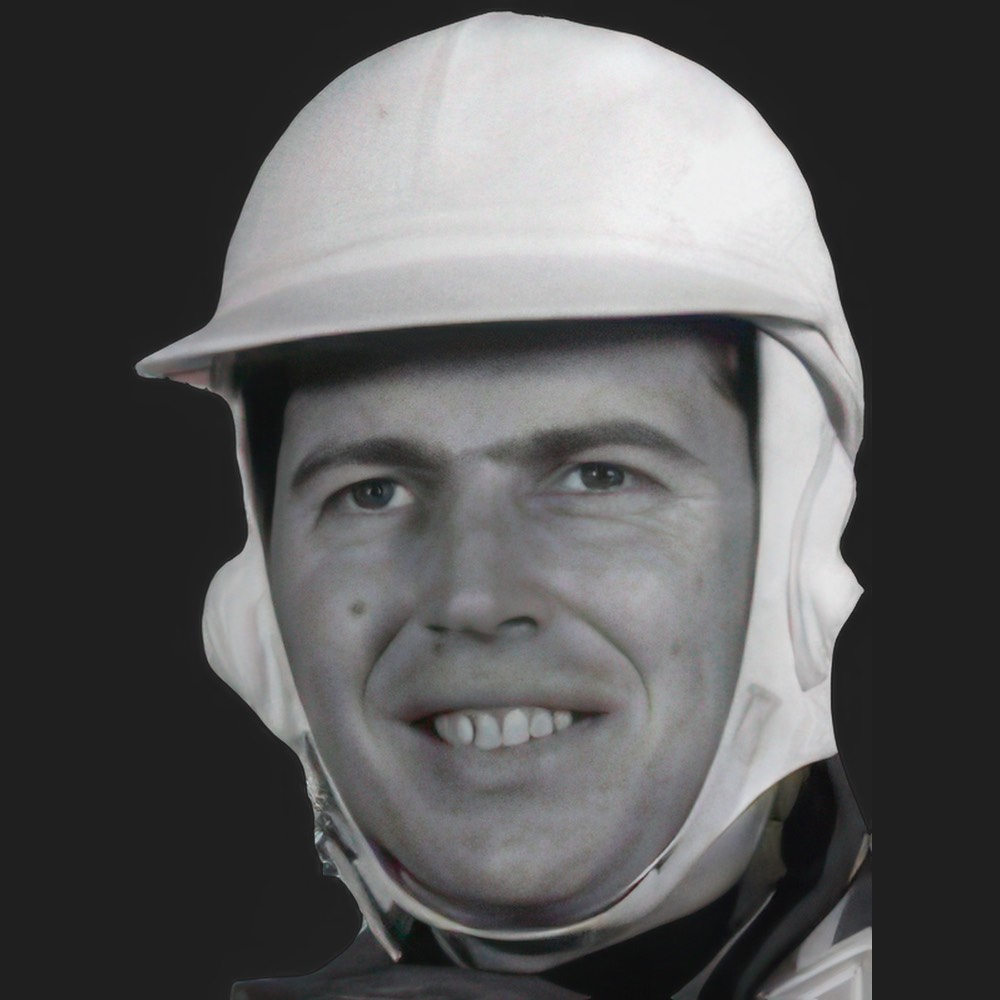
Al Herman
Career Statistics
Biography
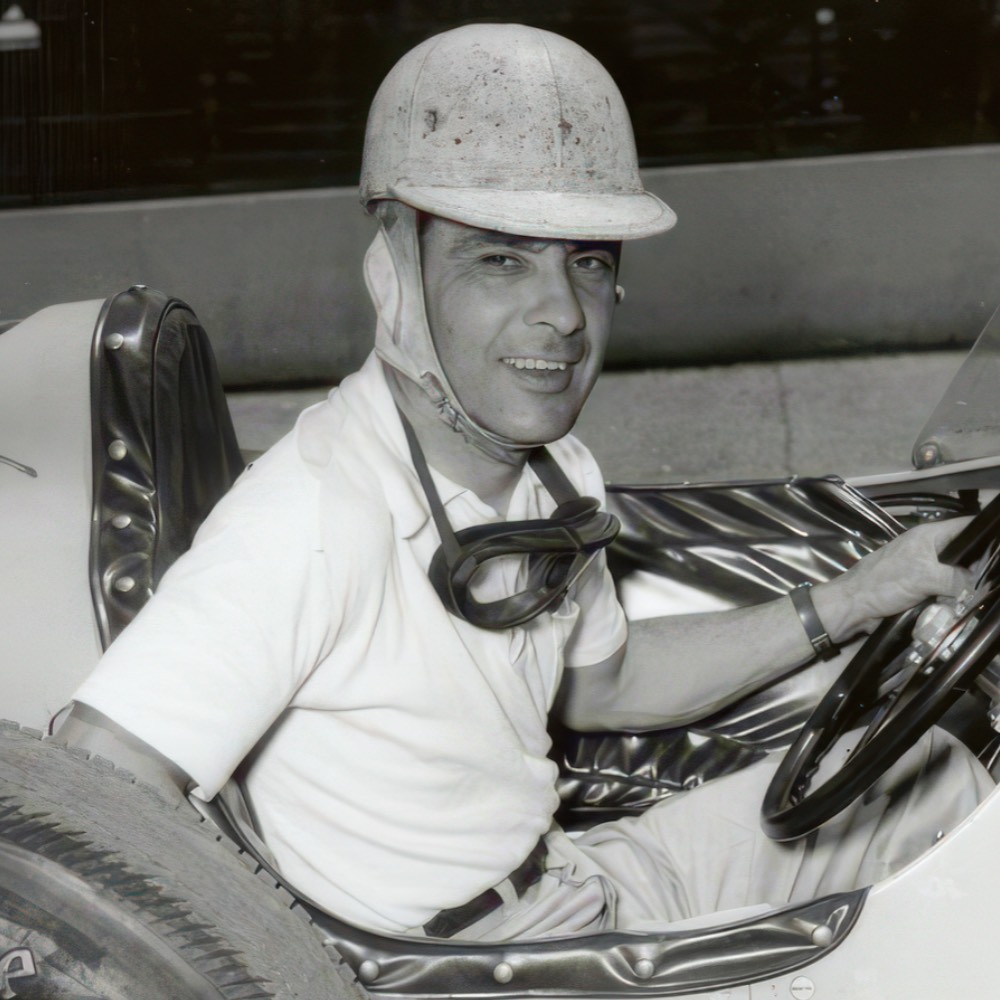
Al Herman (April 15, 1927 - February 18, 1960) was an American racing driver who made a single Formula One World Championship start at the 1959 United States Grand Prix. Born in Dayton, Ohio, Herman represented the generation of American drivers who emerged in the 1950s when motorsport was experiencing rapid growth in the United States.
Herman built his racing career through American sports car and open-wheel circuits that flourished in the post-war period. By 1959, he had established himself sufficiently to attract Formula One attention for the US Grand Prix at Sebring International Raceway in Florida, only the second time the World Championship visited the United States outside the Indianapolis 500.
For the December 12, 1959 race, Herman drove a Cooper T51-Climax for Ecurie Excelsior. The Cooper represented cutting-edge Formula One technology as one of the revolutionary rear-engined cars that would soon dominate the sport. Jack Brabham would win the 1959 World Championship driving a similar Cooper, demonstrating the car's potential.
However, Herman's race ended in retirement when gearbox problems struck. In the era's Formula One, mechanical reliability was a constant challenge, with retirements more common than race finishes. Despite the disappointing result, reaching Formula One demonstrated considerable skill and determination, and securing a competitive Cooper showed he was respected within the racing community.
Following the 1959 US Grand Prix, Herman continued racing in American events. The North American motorsport scene offered numerous opportunities for skilled drivers, from sports car racing to various formula categories to increasingly popular stock car racing.
Tragically, Herman's life was cut short on February 18, 1960, when he was killed in a racing accident at Marlboro Motor Raceway in Maryland at age 32. The accident occurred during a club race, a reminder that danger existed at all levels of motorsport before modern safety standards.
Herman's death was part of the grim toll motorsport extracted in earlier decades. Before proper circuits with barriers, mandatory safety equipment, and improved medical response, racing was extraordinarily dangerous. His single Formula One appearance represents a moment when an American driver from Dayton, Ohio, competed against the world's best in sophisticated machinery, while his untimely death serves as a somber reminder of the era's dangers.