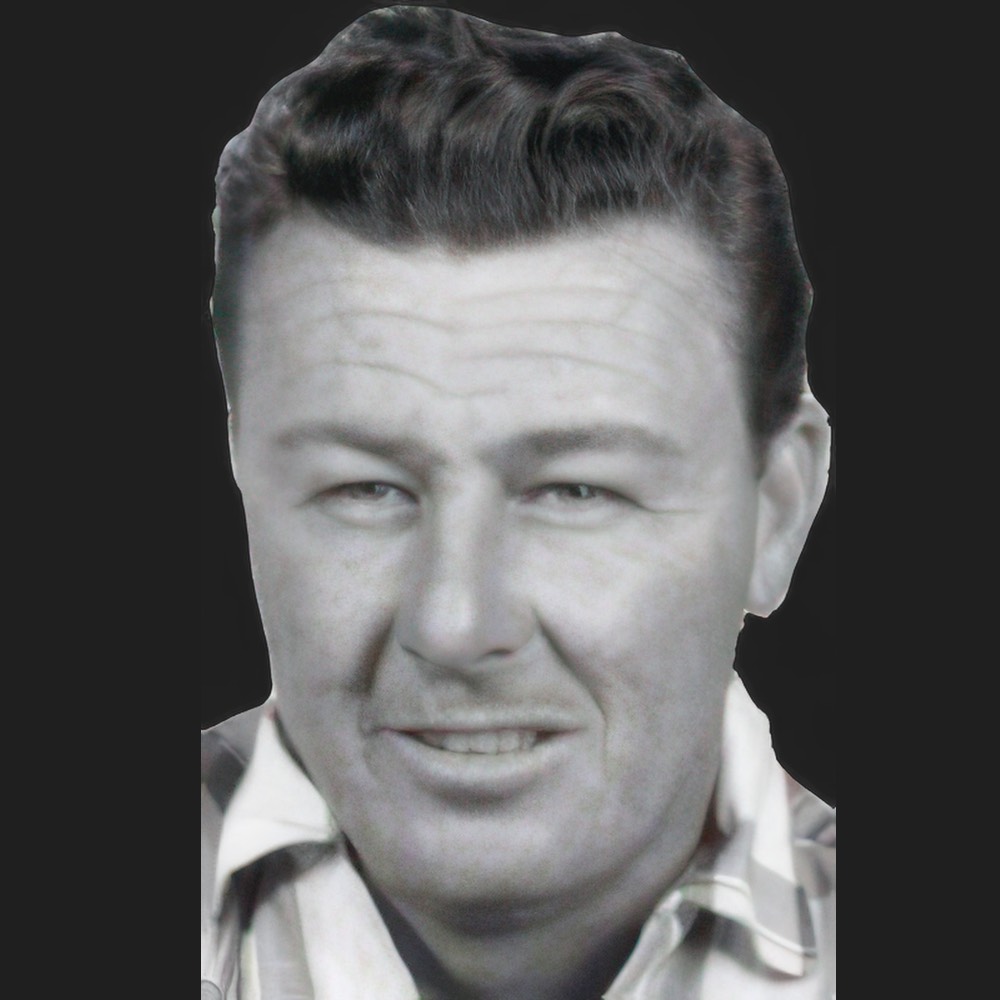
Andy Linden
Career Statistics
Biography
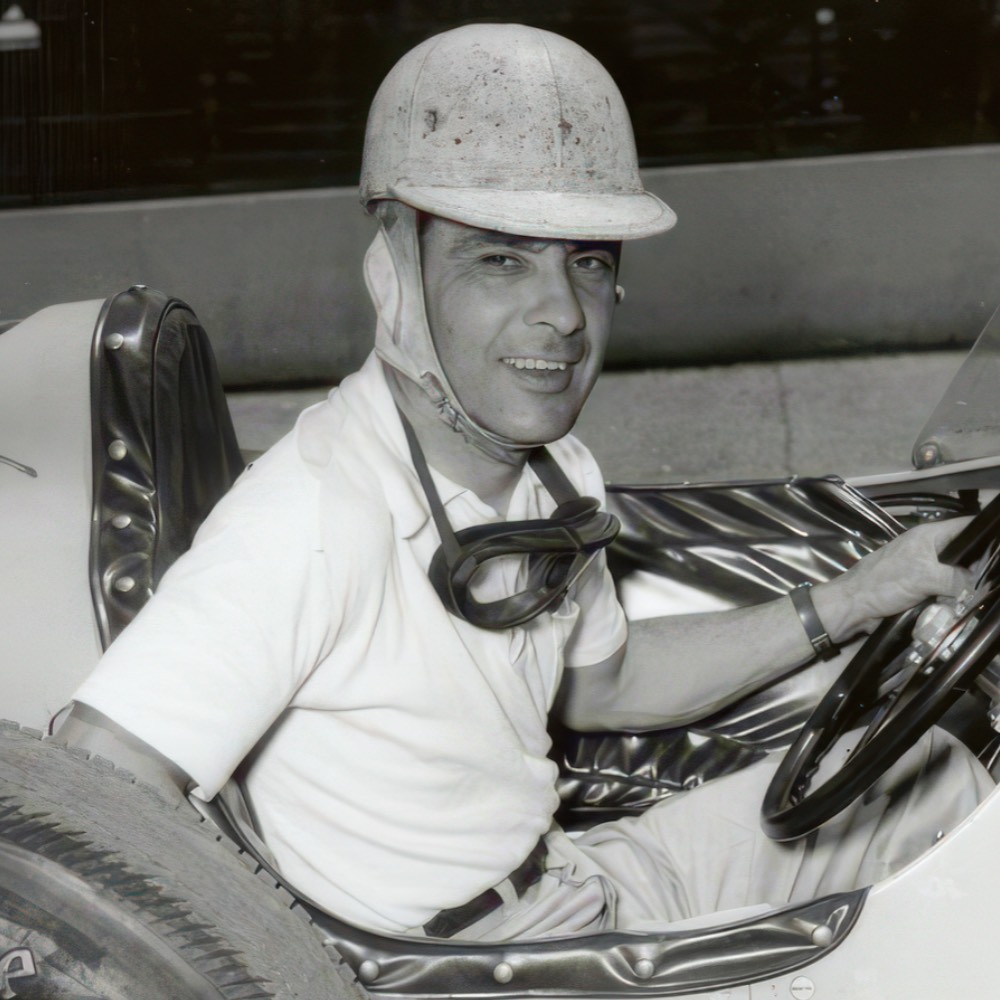
Andrew Logan "Andy" Linden (April 5, 1922 - February 11, 1987): An American racing driver from Brownsville, Pennsylvania, who became one of the top sprint, midget, and AAA Championship Car drivers in post-World War II America, achieving Formula One World Championship status through his Indianapolis 500 participations during the era when the Indy 500 counted toward the World Championship, before a devastating 1957 crash ended his career and left him with permanent disabilities. Born on April 5, 1922, in Brownsville, Pennsylvania, Linden grew up in the steel mill town in southwestern Pennsylvania during the Great Depression, developing the toughness and determination that would characterize his racing career.
Before beginning his motorsport career, Linden served in the United States Navy during World War II, where he distinguished himself as a standout boxer, demonstrating the physical courage and competitive spirit that would later serve him in racing. After the war, he also served in the National Guard, maintaining his military connection while beginning to pursue racing opportunities. Linden's post-war racing career flourished as American motorsport expanded during the late 1940s and early 1950s. Described as a colossus of a man both in physical stature and competitive presence, Linden became one of the top competitors in sprint car, midget car, and AAA Championship Car racing.
His versatility across different racing disciplines and his fearless driving style made him a formidable competitor on dirt tracks, paved ovals, and road courses throughout the United States. Linden's Indianapolis 500 career spanned seven attempts between 1951 and 1957, making him a regular competitor at America's most prestigious race during its golden age. His debut came in 1951 when he drove the Leitenberger Special to an impressive fourth-place finish, announcing his arrival at Indianapolis with a near-podium result that earned him significant prize money and recognition. This strong debut established Linden as a serious Indianapolis contender and validated his abilities against the best oval track drivers in America.
Because the Indianapolis 500 was part of the FIA Formula One World Championship from 1950 through 1960, Linden technically participated in seven Formula One World Championship races and accumulated five championship points from his Indianapolis performances. However, like most American drivers of the era, Linden never competed in European Grand Prix racing and focused exclusively on American oval track competition, creating the unusual situation where successful Indianapolis drivers held Formula One World Championship statistics despite never racing a Grand Prix car. Throughout the early and mid-1950s, Linden continued racing with great success across multiple American racing series. His combination of physical strength, mechanical sympathy, and fearless commitment made him competitive on the demanding dirt tracks and high-speed ovals that characterized American racing during this period.
He became known for his ability to wrestle heavy, powerful cars around tracks at speeds that tested both machine and driver to their limits. Tragically, Linden's career came to a sudden and devastating end in 1957 when he suffered a horrific crash that nearly killed him. During the accident, a piece of metal broke through his helmet and caused severe brain damage, injuries that in a less robust individual might have proven immediately fatal. Linden survived the crash but faced a long and uncertain recovery from traumatic head injuries that would have permanent consequences.
The extent of Linden's injuries was catastrophic—he was initially confined to a wheelchair and faced the possibility of never walking again. However, demonstrating the same determination and toughness that had made him a successful racing driver, Linden refused to accept permanent disability. Through months and years of rehabilitation and sheer willpower, he learned to walk again to some degree, regaining mobility that doctors had thought impossible. He also learned to drive a road car again, achieving a level of independence that represented a remarkable triumph over his injuries.
Despite his courageous rehabilitation, Linden's racing career was finished. The brain damage he had sustained made competitive racing impossible, and at age 35, the physical and mental demands of professional motorsport were beyond his damaged capabilities. He spent the remainder of his life dealing with the consequences of his 1957 crash, living with disabilities but maintaining his dignity and independence. In recognition of his achievements in sprint car racing, Linden was inducted into the National Sprint Car Hall of Fame in 2013, more than two decades after his death.
This posthumous honor validated his status as one of American sprint car racing's significant figures and ensured his contributions to the sport would not be forgotten. Andy Linden passed away on February 11, 1987, at the age of 64. While his Formula One World Championship statistics show seven race entries and five points—all earned at Indianapolis—his true legacy rests on his broader American racing career, his fourth-place Indianapolis 500 finish in 1951, his success across multiple racing disciplines, and his remarkable courage in rebuilding his life after a career-ending crash that left him with permanent disabilities.