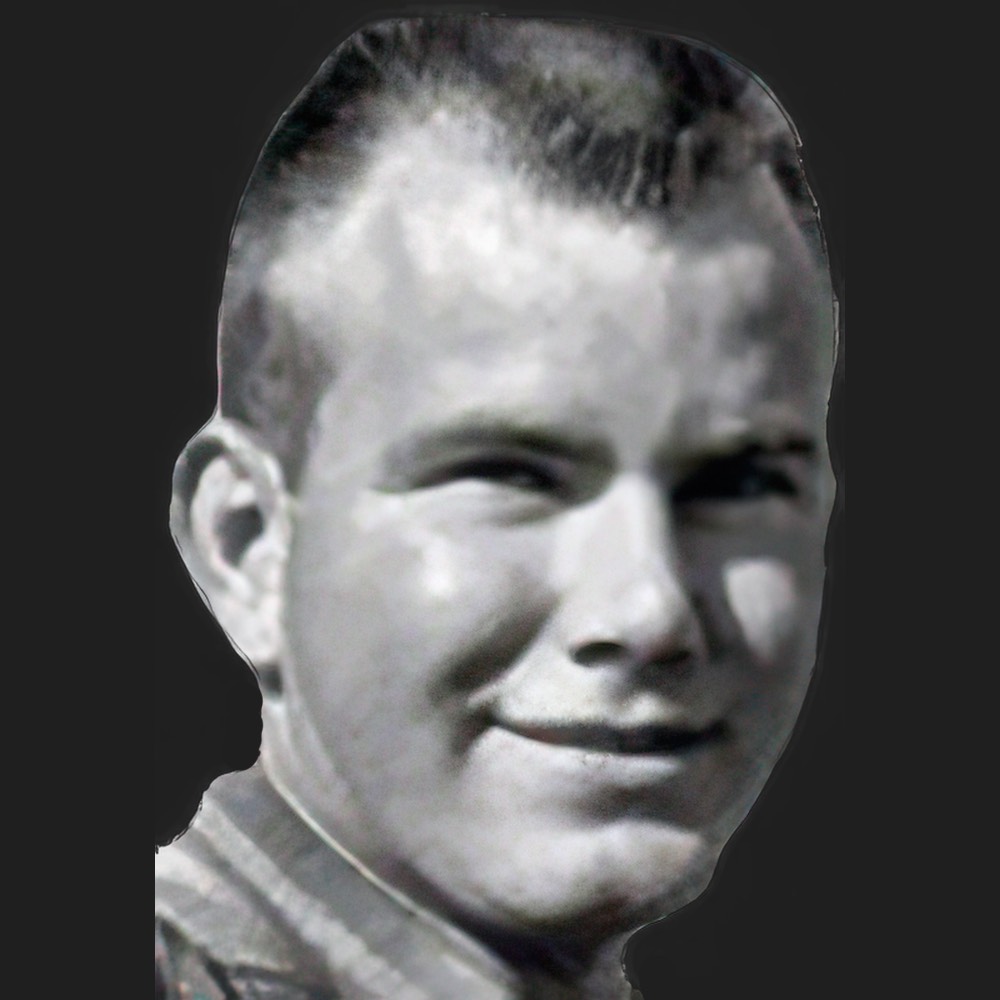
Billy Garrett
Career Statistics
Biography
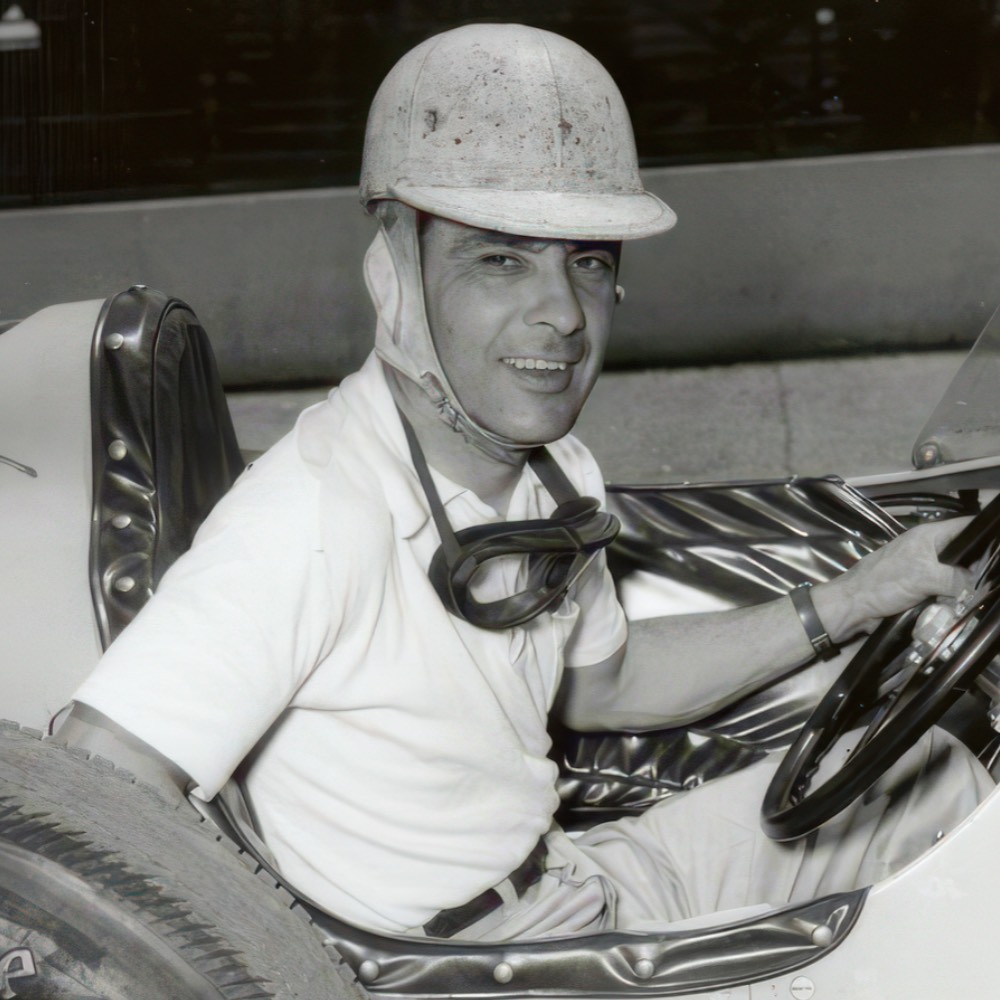
William 'Billy' Garrett (24 April 1933 - 15 February 1999) was an American racing driver who competed primarily in midget car racing and the AAA/USAC Championship Car series, including participating in the Indianapolis 500 in 1954 and 1956, with both appearances counting toward the Formula One World Championship during the era when the Indianapolis 500 was included as a World Championship round from 1950-1960 despite being run to completely different regulations than European Grand Prix racing, before a devastating accident at a Championship Car race at Milwaukee left him with injuries so severe that he spent most of the rest of his life in a wheelchair, though he responded to this tragedy by founding his own racing safety equipment company to help protect future generations of drivers from similar fates.
Born in Princeton, Illinois, on 24 April 1933, Garrett followed his father Johnny into motorsport, as Johnny was a midget car racer who continued competing even after his son began racing, creating a unique father-son dynamic where both generations competed simultaneously in American oval racing during the 1950s. Garrett specialized in midget car racing—small, powerful single-seat racers that competed on quarter-mile and fifth-mile oval tracks across the United States—and he demonstrated exceptional talent in this demanding discipline, winning the United Racing Association's midget car championship in both 1954 and 1955, establishing himself as one of America's premier midget racers during the sport's golden age when midget racing attracted large crowds and was considered a legitimate pathway to Indianapolis and Championship Car competition.
His midget racing success provided opportunities to compete at higher levels of American open-wheel racing, and Garrett made his Indianapolis 500 debut in 1954, attempting to qualify for America's most prestigious motor race and successfully making the starting grid, though he was eliminated from the race and failed to achieve a strong finish, and this appearance counted as his first Formula One World Championship race according to FIA records even though he never drove a Grand Prix car or competed on a European circuit. Garrett returned to Indianapolis in 1956 for his second and final attempt at the 500, again successfully qualifying and starting the race, and while his Indianapolis performances were modest, they demonstrated that he possessed the skill and courage required to compete in America's most dangerous and demanding motor race, and both of his Indianapolis 500 starts are officially recorded as Formula One World Championship races, making Garrett technically a Formula One driver despite having no connection to European Grand Prix racing.
Beyond Indianapolis, Garrett competed regularly in the AAA and USAC Championship Car series—the premier level of American open-wheel racing—competing on the mix of oval tracks, dirt tracks, and occasional road courses that characterized American championship racing during the 1950s, and while he never achieved major Championship Car victories, he was a respected competitor who could run competitively in the midfield against the era's stars. Garrett's racing career came to a sudden and tragic end when he was involved in a serious accident during a Championship Car race at the Milwaukee Mile, one of America's oldest and fastest oval tracks, and the crash was so severe that it left him with catastrophic injuries including damage to his spine that resulted in paralysis, confining him to a wheelchair for the remainder of his life and ending his driving career while he was still in his twenties or early thirties.
Rather than allowing his accident to embitter him or withdraw from motorsport, Garrett made the remarkable decision to give something back to the sport that had both defined his life and taken his mobility, and he founded his own racing safety equipment manufacturing company, using his firsthand experience with racing's dangers to develop protective equipment that might prevent other drivers from suffering similar injuries, demonstrating extraordinary character and resilience. Through his safety equipment company, Garrett remained involved in American motorsport for decades, attending races, consulting with drivers and teams about safety improvements, and continuously working to make the sport safer for competitors, and his work represented a positive legacy from his tragic accident, as the safety equipment his company produced undoubtedly saved lives and prevented injuries across multiple generations of American racing.
Billy Garrett died on 15 February 1999 in Burbank, California, at age 65, passing away four decades after the accident that had left him paralyzed but having built a second career in racing safety that likely contributed more to motorsport than his competitive career had, and his funeral was attended by many figures from American racing who remembered both his talent as a midget and Championship Car driver and his dedication to safety improvement after his accident ended his ability to compete. Billy Garrett's Formula One statistics—two race starts (the 1954 and 1956 Indianapolis 500), zero points, zero finishes—are utterly meaningless in understanding his significance, as these races were American oval events that had nothing to do with European Grand Prix racing, and Garrett was never a Formula One driver in any meaningful sense despite the FIA's classification, but his real legacy was as a two-time United Racing Association midget car champion, a brave Indianapolis 500 competitor, and ultimately as a safety equipment innovator who dedicated the latter decades of his life to protecting other drivers from the catastrophic injuries he himself had suffered, making him a far more important figure in American motorsport history than his modest Formula One classification would suggest.