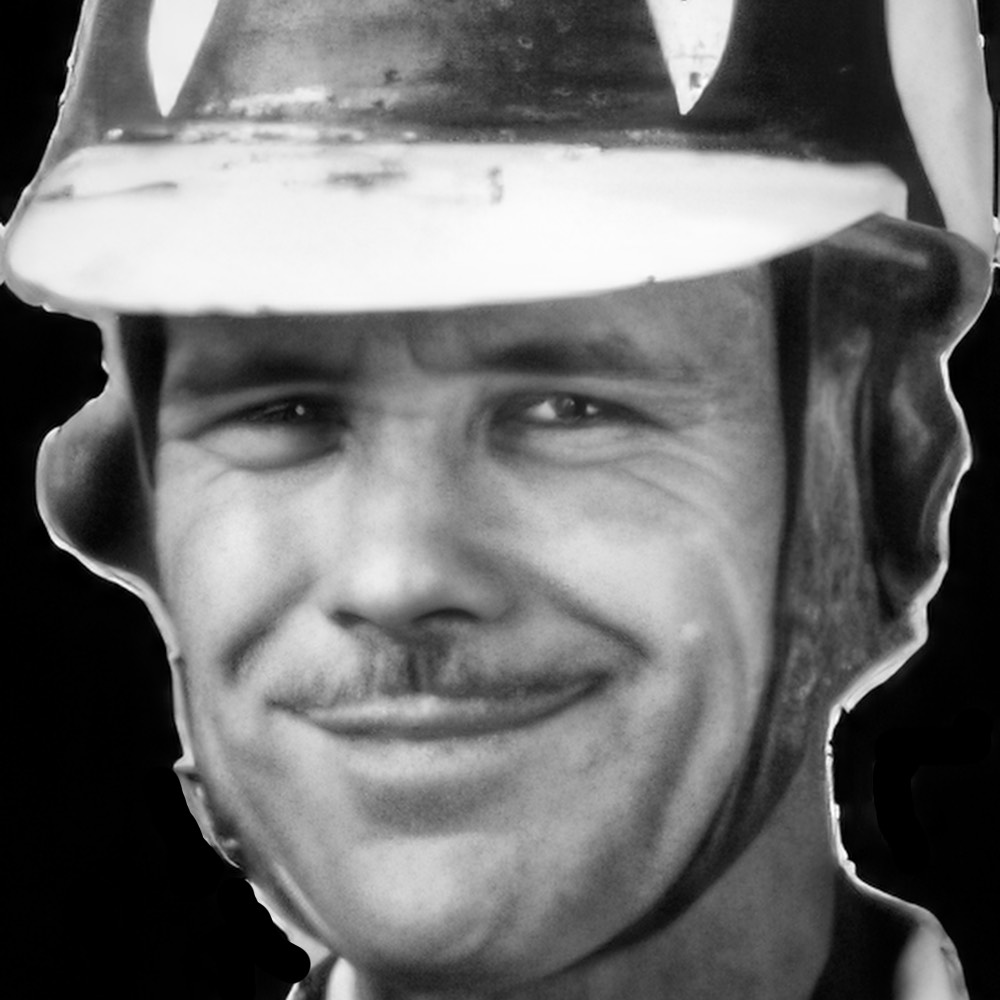
Carl Scarborough
Career Statistics
Biography
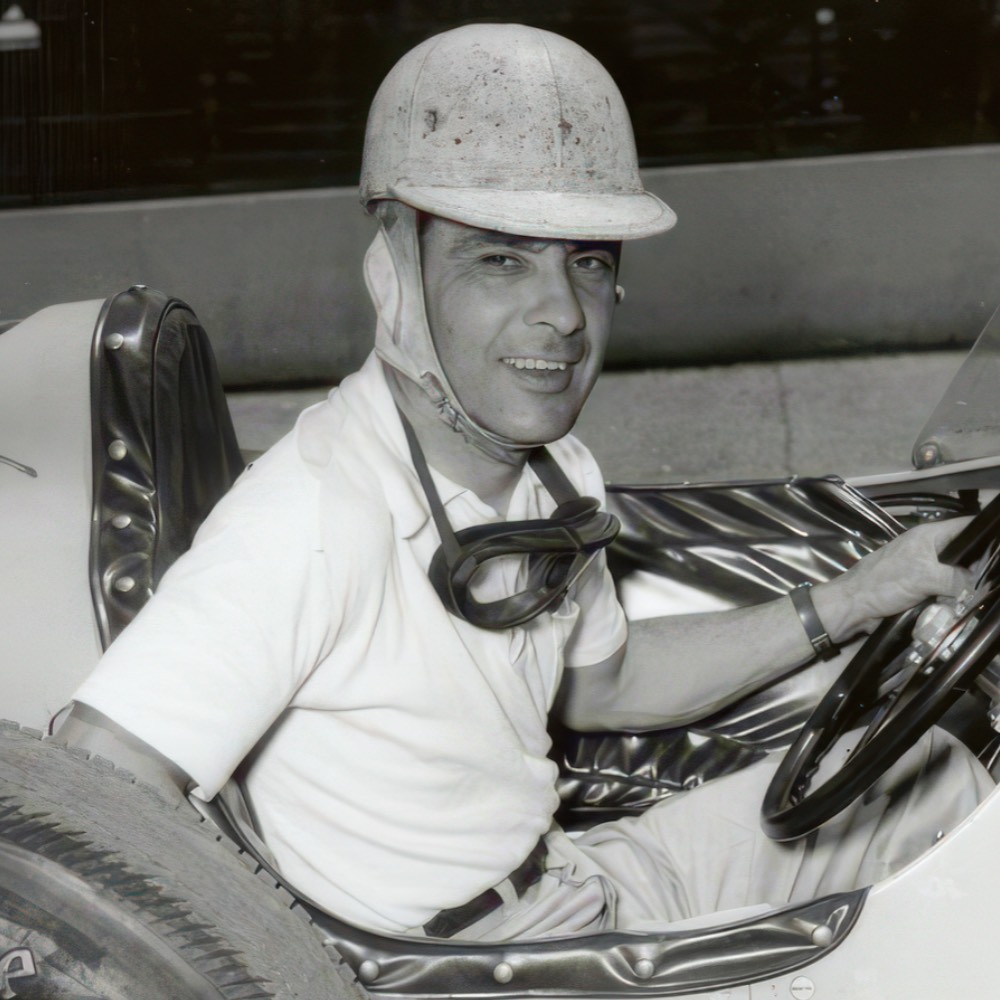
Carl Eugene Scarborough (July 3, 1914, Benton, Illinois - May 30, 1953): An American racing driver whose tragic death from heat exhaustion during the 1953 Indianapolis 500 shocked the motorsport world and led to important safety reforms regarding race conditions and driver welfare. Scarborough had established himself as one of America's premier short-track racers in the mid-1940s, achieving the remarkable feat of becoming the first driver to win the Central States Racing Association national championship in both midget car and big car categories in 1946, demonstrating his versatility and skill across different racing disciplines. The 1953 Indianapolis 500 took place on an exceptionally hot day, with temperatures reaching 91 degrees Fahrenheit in Indianapolis.
Scarborough had qualified for the race on the seventh row with an average speed of 135.936 mph, and started the race in reasonable position. However, the combination of extreme heat, exhaust fumes in the cockpit, and the physical demands of racing proved overwhelming. During his first pit stop, Scarborough reported feeling sick from the heat and fumes. The situation worsened when a fuel spill during the stop caused a minor fire involving the side of his car.
Scarborough managed to climb over the pit wall but immediately collapsed into a chair. He was quickly transported to the speedway's hospital, where his temperature was recorded as 104 degrees Fahrenheit. Despite urgent medical intervention, including open-heart massage, doctors were unable to save him. Scarborough was pronounced dead, becoming one of nine drivers treated for heat-related illness that day.
His death was not in vain, as race officials subsequently announced plans to inspect Indianapolis 500 vehicles for adequate ventilation, implementing safety measures to prevent future heat-related tragedies. Scarborough's death serves as a sobering reminder of the brutal physical conditions drivers endured in an era before modern safety regulations, cooling systems, and driver welfare protocols.