David Purley
Career Statistics
Biography
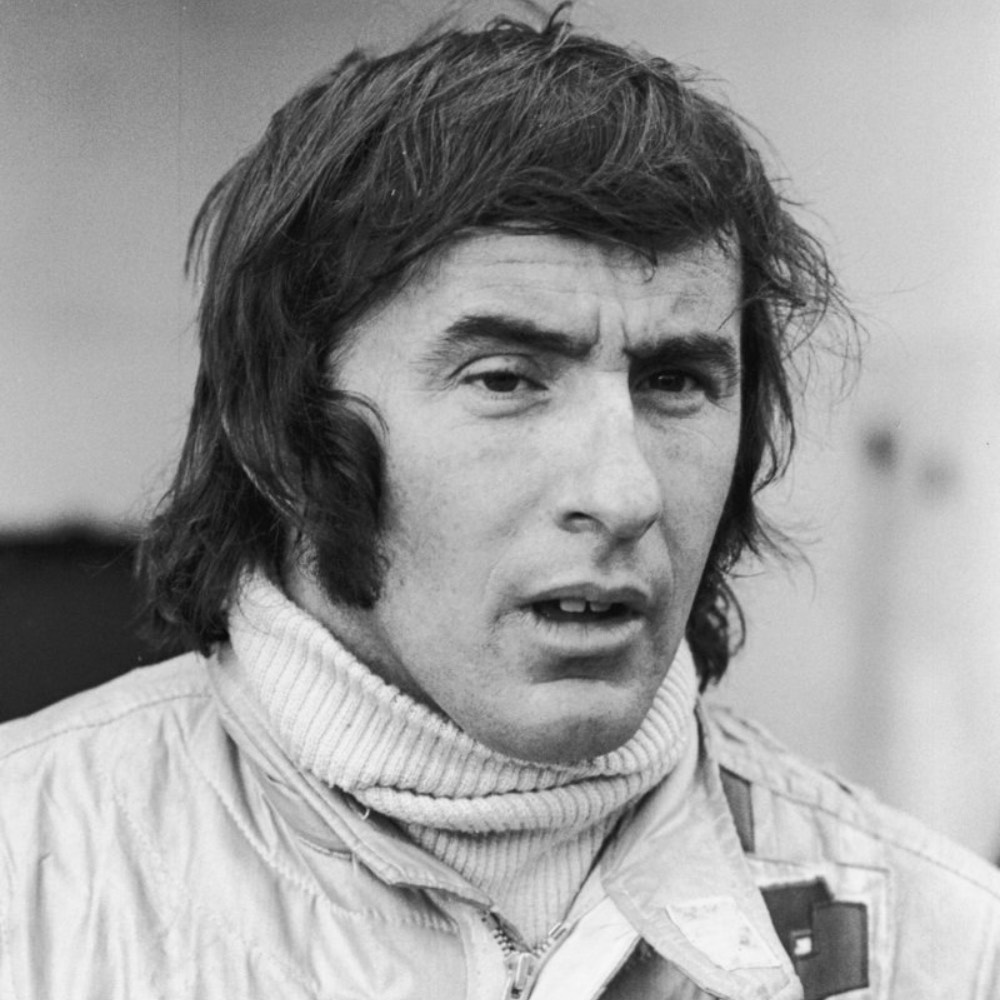
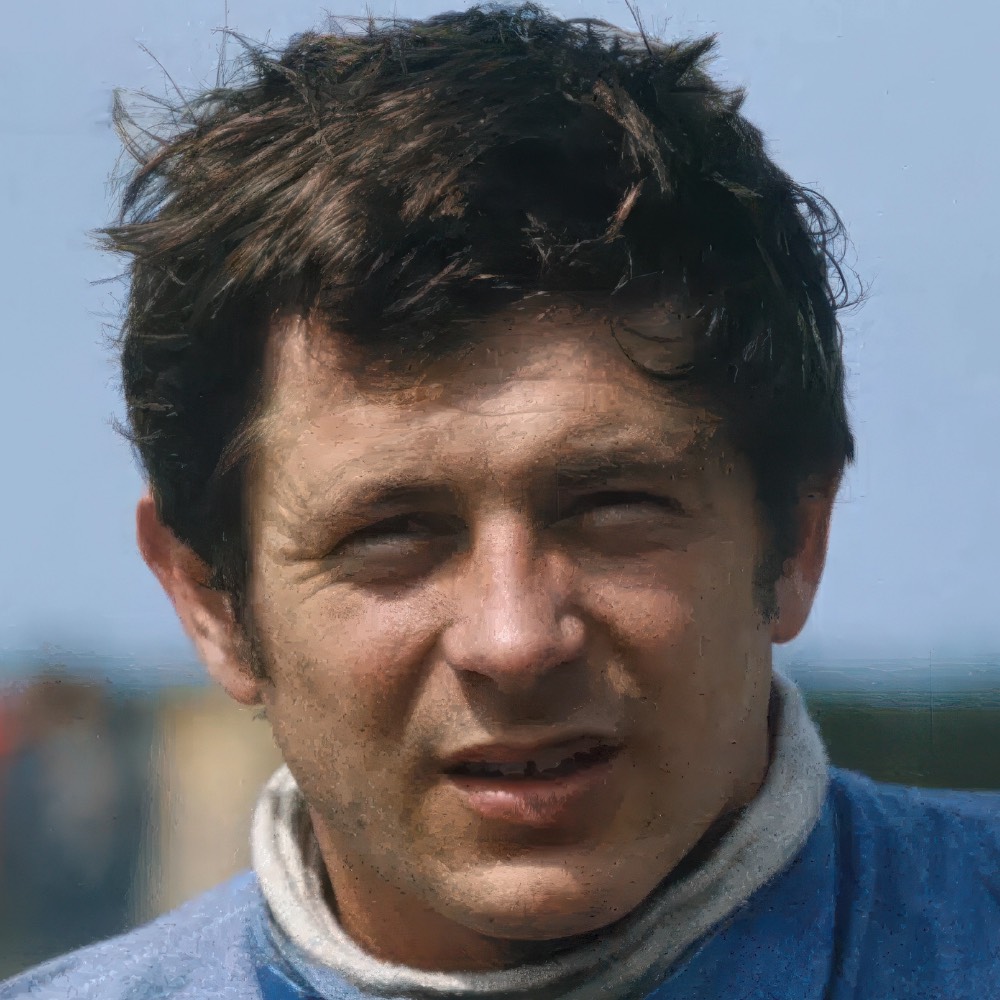
David Purley (January 26, 1945 - July 2, 1985): David Charles Purley GM was a British racing driver from Bognor Regis, West Sussex, who became one of motorsport's greatest heroes for his selfless actions during the 1973 Dutch Grand Prix. Purley participated in 11 Formula One World Championship Grands Prix between 1973 and 1977, making his debut at the 1973 Monaco Grand Prix, but he never scored championship points. However, his legacy transcends racing statistics. At the 1973 Dutch Grand Prix at Zandvoort, Purley witnessed British driver Roger Williamson crash and become trapped in his overturned, burning March.
Without hesitation, Purley abandoned his own race, stopped his car, and ran to Williamson's aid. For several agonizing minutes, Purley desperately attempted to right the overturned car and extinguish the flames single-handedly, screaming for help from nearby marshals and trying to encourage passing drivers to stop and assist. Tragically, the marshals were not wearing fire-resistant clothing and feared approaching the blaze, while other drivers assumed Purley was trying to save his own car after a crash. Despite Purley's heroic efforts, Williamson died from asphyxiation.
The incident was captured on film and later featured in the 2010 BBC documentary 'Grand Prix: The Killer Years.' For his extraordinary bravery, Purley was awarded the George Medal, Britain's second-highest award for civilian gallantry, in 1973. The tragedy led to mandatory fire-resistant clothing for all trackside marshals in subsequent years. Beyond his heroism, Purley survived one of the most violent crashes in motorsport history during the 1977 British Grand Prix, experiencing deceleration forces measured at 179.
8 g when his throttle stuck and he hit a wall at Silverstone. He survived this crash but suffered severe injuries that required extensive recovery. Purley also held an unusual distinction as he survived a fall of approximately 78 meters (256 feet) when his aircraft crashed during aerobatic practice. Tragically, Purley's luck ran out on July 2, 1985, when he was killed in a plane crash off the coast of Bognor Regis during another aerobatic practice flight.
He was 40 years old. Purley is remembered not for his racing results but for embodying the highest ideals of courage, selflessness, and humanity, risking his own life in an ultimately unsuccessful attempt to save a fellow competitor.