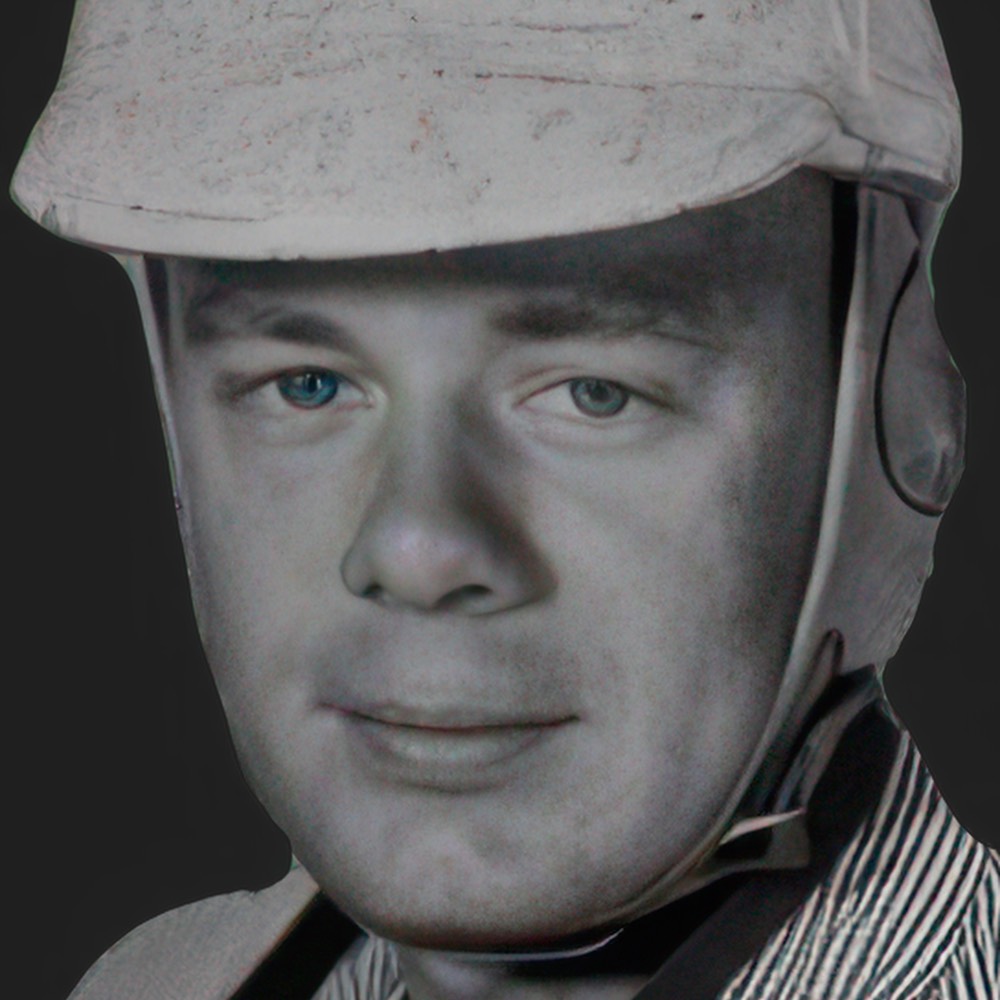
Jerry Hoyt
Career Statistics
Biography
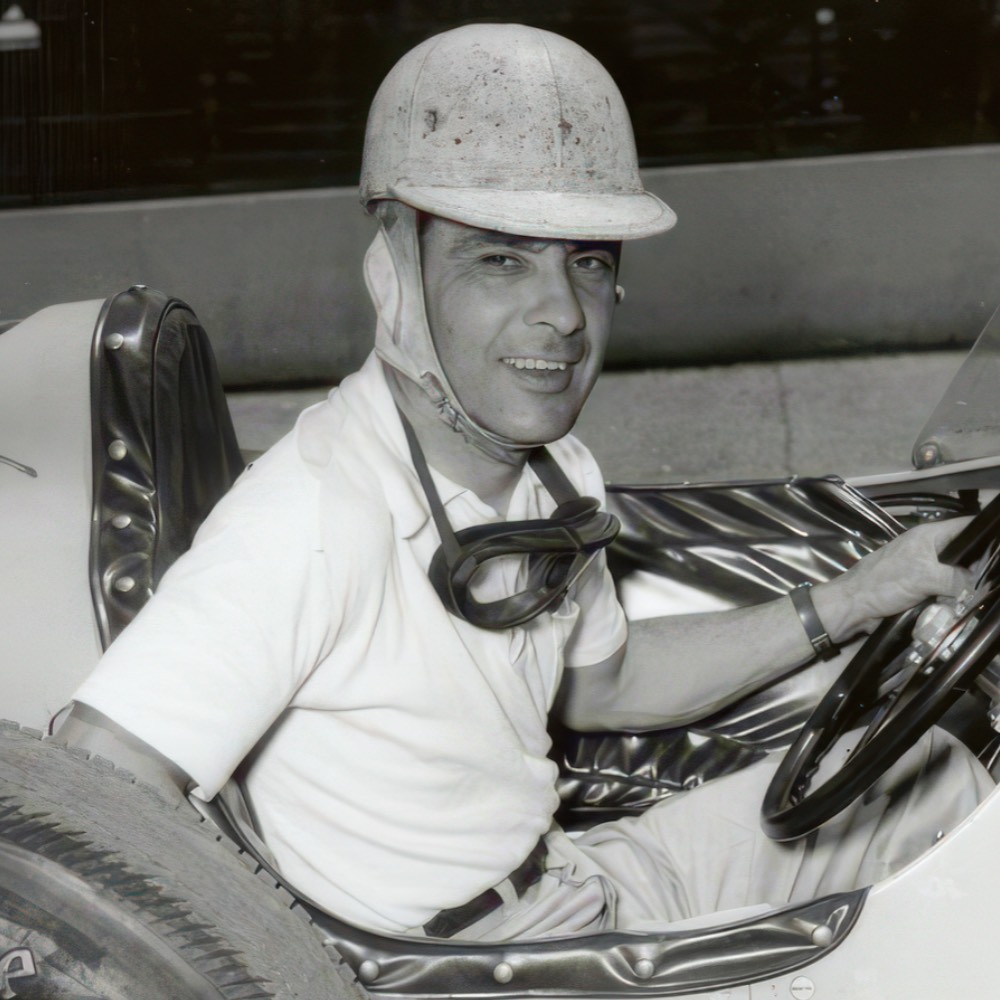
Jerry Hoyt (29 January 1929 - 10 July 1955): Jerry Hoyt was an American racing driver from Chicago, Illinois, who made his name as a talented sprint car racer in Oklahoma despite his young age. Born in Chicago, Hoyt served in the 101st Airborne Division during World War II, gaining the discipline and courage that would serve him in his racing career. The 1955 Indianapolis 500 provided Hoyt with his moment in the spotlight under highly unusual circumstances. On pole qualifying day, bad weather with high winds deterred most top drivers from attempting qualification.
Hoyt seized the opportunity and won the pole position (first starting position), though his qualifying speed ranked only tenth behind fastest qualifier Jack McGrath, making it the lowest speed rank for a pole sitter in Indianapolis modern era history. Despite starting from pole, Hoyt's race performance did not match his qualifying achievement, as an oil leak forced him to retire after just 40 laps. Nevertheless, winning the pole at Indianapolis, even in unusual circumstances, was a significant accomplishment that brought him national attention and raised expectations for his future. Tragically, that future would never materialize.
On 11 July 1955, just two months after winning the pole at Indianapolis, Hoyt was entered in a sprint car race at Taft Stadium in Oklahoma City. On the very first lap, his car made contact with a fence, causing it to overturn. The cars of that era provided minimal protection for drivers' heads, and Hoyt died the following morning from severe brain injuries suffered in the accident. The timing of Hoyt's death was particularly poignant, having been married just two weeks before the fatal crash.
He was only 26 years old, his promising career cut devastatingly short just as he was beginning to make his mark in championship car racing. Jerry Hoyt's death was another tragic reminder of the extreme dangers faced by racing drivers in the 1950s, a decade that saw numerous fatalities across all forms of motorsport. His brief career demonstrated flashes of talent that suggested he could have achieved much more had he lived, leaving the racing community to mourn both the man and the unfulfilled potential.