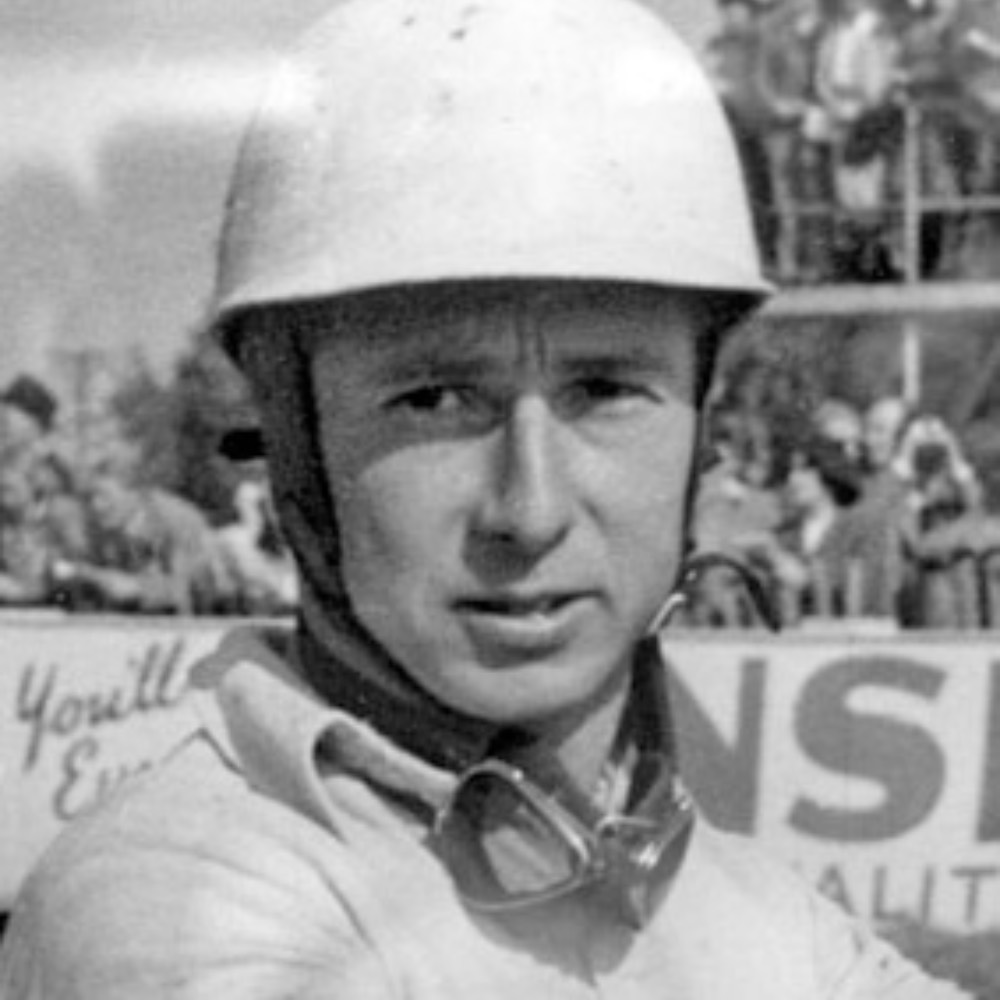
Kurt Ahrens Jr.
Career Statistics
Biography
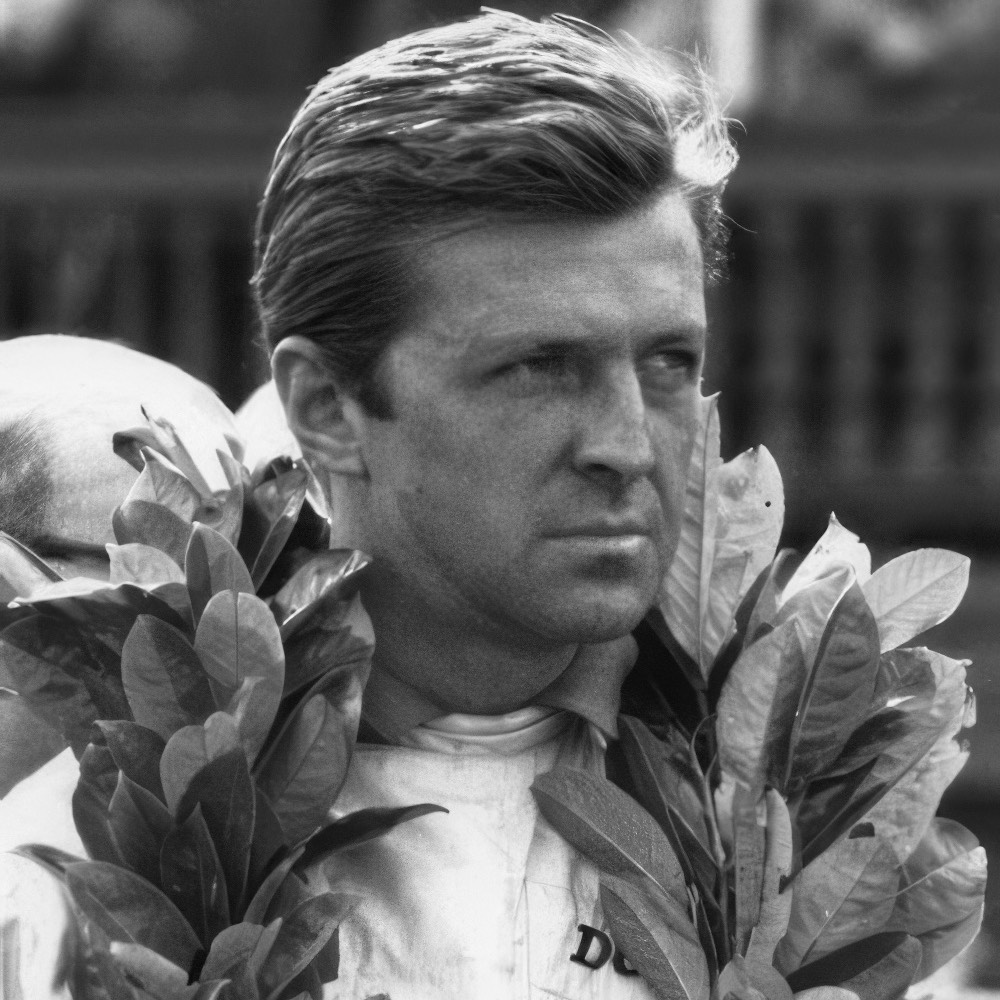
Kurt Karl-Heinrich Ahrens Jr. (19 April 1940 - Present): German racing driver from Braunschweig who participated in one Formula One World Championship Grand Prix, the 1968 German Grand Prix at the Nürburgring, finishing 12th and scoring no championship points. Ahrens is far better known for his outstanding success as a Porsche works driver in sports car racing, where he won major endurance races including the 1969 Austrian 1000km and achieved multiple podiums at circuits including Sebring, Monza, Spa-Francorchamps, and the Nürburgring. Ahrens was born into a motorsport family—his father, Kurt Ahrens Sr.
, was a successful speedway motorcycle champion and garage owner in Braunschweig. Growing up surrounded by racing, young Kurt began competing in 1958 with a Cooper-Norton in Formula 3, showing immediate promise. By age 19, he was beating his famous father in races, demonstrating natural talent that would define his career. Ahrens' junior formula career was stellar. He won the German Formula Junior Championship three times—in 1961, 1963, and 1965—dominating the category that served as the primary stepping stone to Formula One.
His dozen victories by the end of 1959 and subsequent Formula Junior dominance marked him as one of Germany's most promising young talents, comparable to contemporaries like Jochen Rindt. Progressing to Formula Two, Ahrens enjoyed further success. Racing a privately-entered Brabham BT23C-Ford in 1968, he delighted German fans by leading the non-championship Eifelrennen at the Nürburgring before finishing a strong second. His F2 performances caught the attention of Brabham team owner Jack Brabham, leading to a Formula One opportunity.
For the 1968 German Grand Prix at the Nürburgring on 4 August, Ahrens was hired by the Brabham works team to drive alongside Jack Brabham and Jochen Rindt. The team entered him in a Brabham BT24-Repco, the previous year's car that had won Brabham the 1967 Drivers' Championship but was now outclassed by the new Cosworth DFV-powered cars. Starting from near the back of the grid, Ahrens completed the full race distance on the challenging 14.2-mile Nordschleife, finishing 12th, four laps behind race winner Jackie Stewart.
While outside the points, finishing the Nürburgring—especially in a customer car against works teams with superior equipment—represented a solid debut. However, it would be Ahrens' only Formula One World Championship start. No further opportunities materialized, and Ahrens made the decision to focus on sports car racing where his talents would receive greater recognition. Ahrens joined Porsche's works sports car team in 1968, beginning an association that would define his career.
He raced the legendary Porsche 917, one of motorsport's most iconic and initially most dangerous cars. The 917 was phenomenally fast but aerodynamically unstable in its early form, requiring bravery and exceptional skill to drive at the limit. Ahrens mastered it, establishing himself as one of Porsche's leading drivers. His greatest triumph came at the 1969 Austrian Grand Prix for sports cars at the Österreichring (formerly Zeltweg).
Sharing a Porsche 917 with Swiss ace Jo Siffert, Ahrens drove brilliantly to victory, Porsche's breakthrough win with the 917 that would soon dominate sports car racing. Further podium finishes followed at the 12 Hours of Sebring (second in 1969), Monza, Spa-Francorchamps, and the Nürburgring 1000km, establishing Ahrens as one of endurance racing's elite. Remarkably, Ahrens retired from motorsport after the 1970 season at just 30 years old, citing his desire to spend more time with his family and to concentrate on building the family's car dealership and scrap metal business. His retirement came at the height of his abilities and just as Porsche's 917 was achieving dominance—the 917 would win Le Mans in 1970 and 1971, races Ahrens could have competed in.
There was a single exception—he raced in the 1971 ETCC 2-Hour race at Brno in a Ford Capri—but otherwise Ahrens stuck to his retirement decision. Ahrens takes pride in a remarkable statistic: he never crashed in a race during his entire career. In an era when crashes were commonplace and often fatal, completing a decade-long career without a single racing accident demonstrates exceptional car control, racecraft, and perhaps a degree of calculated caution. His clean record stands in stark contrast to the carnage that characterized 1960s motorsport.
Following his racing retirement, Ahrens successfully built the family businesses, proving as capable in commerce as he had been behind the wheel. He remained connected to motorsport through historic racing events and occasional appearances, always receiving warm welcomes from Porsche and the classic racing community. Known for his smooth driving style, intelligence, business acumen, perfect safety record, and willingness to retire at his peak to prioritize family, Kurt Ahrens Jr. represents a different approach to motorsport—recognizing when enough is enough and that life offers more than trophies.
His single Formula One start is a footnote, but his Porsche 917 victories and his unique decision to walk away from certain success mark him as one of motorsport's most interesting characters.