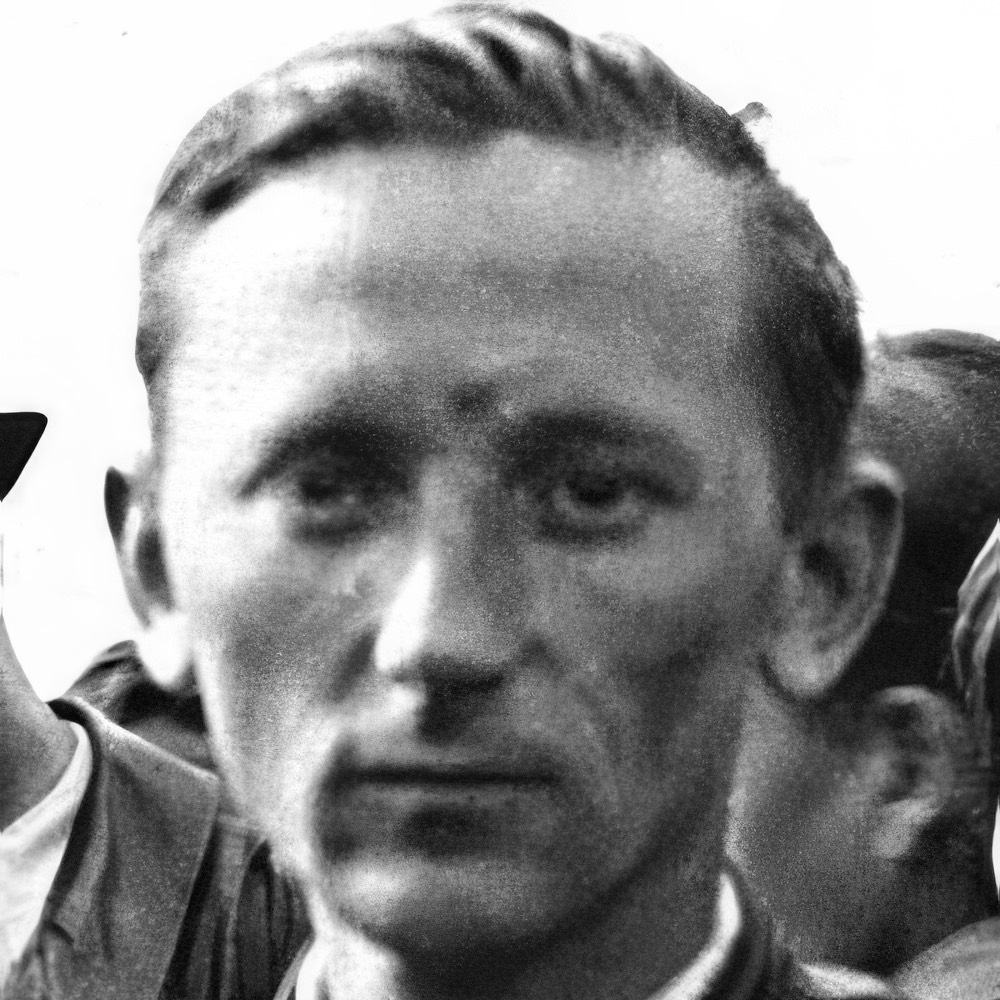
Kurt Kuhnke
Career Statistics
Biography
Kurt Kuhnke (30 April 1910 - 8 February 1969): German racing driver and motorcycle racer from Stettin (now Szczecin, Poland) who participated in one Formula One World Championship entry, the 1963 German Grand Prix, failing to qualify. Kuhnke was more successful in motorcycle racing during the pre-war and post-war eras, and later in Formula Three where he became the runner-up of the 1953 West German Formula 3 Championship. His brief Formula One involvement with a Borgward-engined special represents one of the more unusual technical footnotes in the championship's history. Kuhnke began his motorsport career in the 1930s as a motorcycle racer, competing in events across Germany before World War II interrupted racing activities.
His pre-war career established him as a competent competitor, though not a frontline star. After the war, Kuhnke returned to motorcycle racing in the late 1940s, competing in national events at a time when Germany was slowly rebuilding its motorsport infrastructure. Beyond competing, Kuhnke ran motorcycle clubs in the 1940s and 1950s, helping organize events and build the motorcycle racing community in post-war Germany. His contributions to rebuilding German motorsport after the devastation of World War II represent significant service to the sport, even if largely unrecognized outside Germany.
Around 1950, Kuhnke transitioned from motorcycles to cars, beginning with a Formula Three Cooper 500. Formula Three in the early 1950s used 500cc motorcycle engines in purpose-built chassis, creating affordable, competitive racing. Kuhnke raced regularly through the 1950s, achieving a number of wins and good finishes in German and European F3 events. His best season came in 1953 when he finished runner-up in the West German Formula 3 Championship, demonstrating he possessed genuine pace and racecraft.
Throughout the 1950s, Kuhnke also competed in Formula Junior and Formula Two races, though without the same level of success he had enjoyed in F3. He remained active in German national racing, becoming a familiar figure in the paddocks if not a headline star. By the early 1960s, Kuhnke conceived an ambitious but ultimately doomed project: building a Formula One car powered by a Borgward engine. Borgward was a German automobile and truck manufacturer that had developed sports car racing engines, but the company went bankrupt in 1961, making engine supply and development support problematic.
Nevertheless, Kuhnke commissioned a special car—designated BKL (likely Borgward-Kuhnke-Lotus, as it was based on a Lotus chassis)—that mated a Borgward engine to a modified Lotus frame. The project suffered delays throughout 1962 as Kuhnke struggled to prepare the engine. He entered four races in the second half of 1962 but missed all of them due to ongoing technical problems. The car finally appeared at the 1963 German Grand Prix at the Nürburgring on 4 August.
Kuhnke attempted to qualify but failed by a considerable margin—the Borgward-engined car was simply not competitive against the established manufacturers. The engine lacked power, and the chassis was outdated. Kuhnke's qualifying time was so far off the pace that he had no realistic chance of making the grid. It would be his only Formula One World Championship entry—one attempt, zero starts, zero finishes, zero points.
Following his own failed qualifying attempt, Kuhnke briefly continued the BKL project as an entrant for other drivers. He entered two BKL Lotus cars in the 1964 Solitude Grand Prix for drivers Ulf Maring and German helicopter pilot Joachim Diel. Maring managed to finish 10th and last—the only occasion on which one of Kuhnke's cars finished a Formula One race, albeit a non-championship event. The result demonstrated the car's lack of competitiveness, and the project was abandoned shortly thereafter.
Kuhnke's Formula One ambitions ended, and he returned to competing in national German racing events, though with diminishing frequency as he aged. Kuhnke passed away on 8 February 1969 in Braunschweig, Germany, at the age of 58. His death received limited coverage, reflecting his minor role in international motorsport. However, German motorsport historians recognize his contributions to rebuilding racing in Germany after World War II and his adventurous spirit in attempting to create a German Formula One car, even if the effort proved unsuccessful.
Known for his longevity in motorsport across motorcycles and cars, organizational contributions to German motorcycle racing, Formula Three success, and ultimately failed but ambitious Formula One project, Kurt Kuhnke represents the passionate enthusiasts who attempted to compete at Formula One's highest level with inadequate resources and equipment. His Borgward-engined special stands as one of numerous failed Formula One projects from the 1960s, when privateers and small constructors still believed they could challenge the established teams despite widening performance and financial gaps.