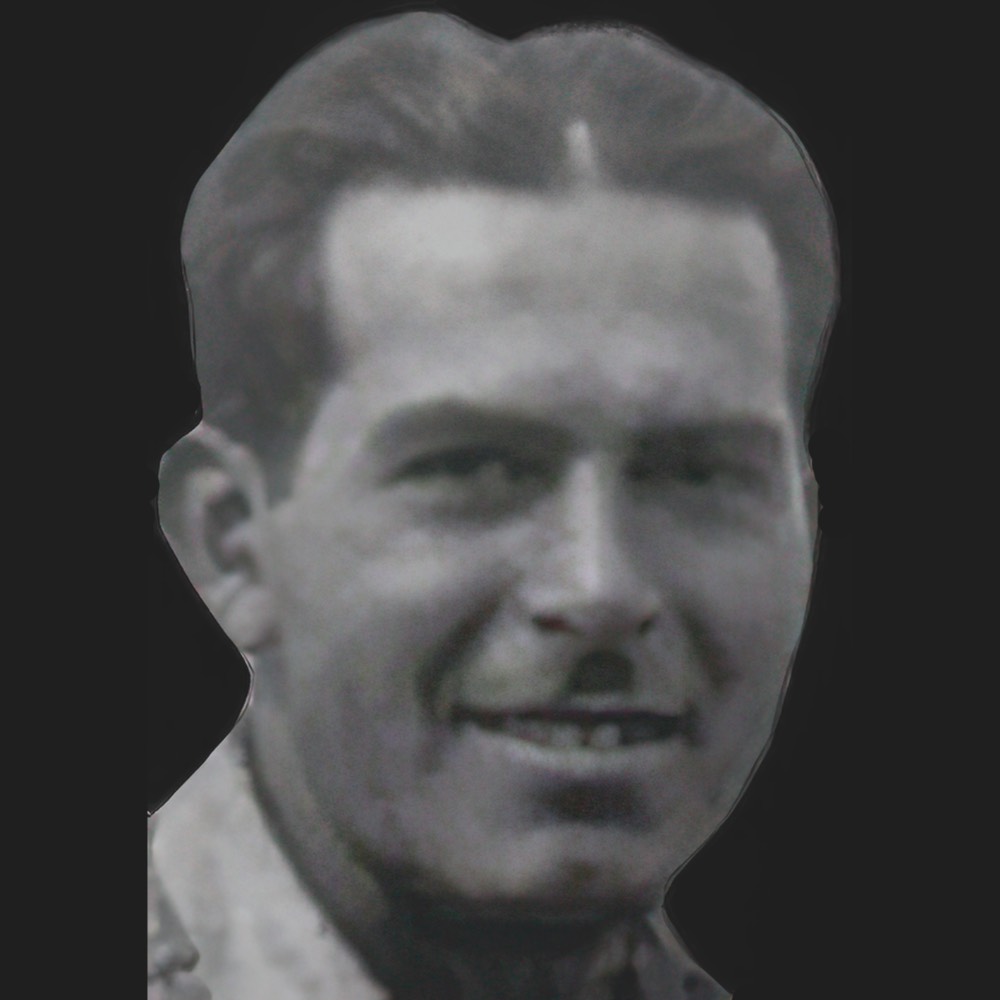
Len Duncan
Career Statistics
Biography
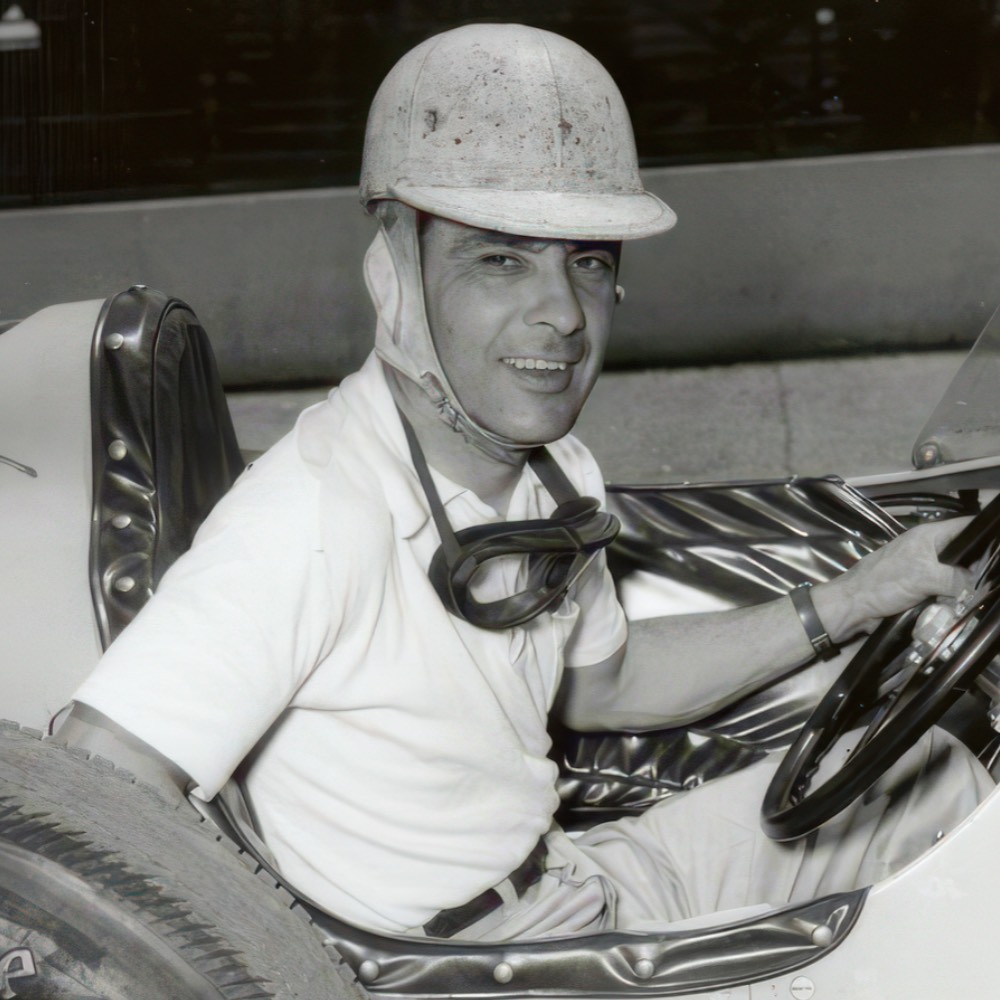
Len Duncan (25 July 1911 - 1 August 1998): American racing driver from Brooklyn, New York who participated in four Formula One World Championship Grands Prix from 1953 to 1956, all Indianapolis 500 races, achieving a best finish of 11th in 1954 and scoring no championship points. Duncan is far better known for his extraordinary longevity in midget car racing, where he competed for seven decades from the 1920s through the 1980s, winning over 500 races and claiming the AAA Eastern Midget Championship three consecutive years from 1953 to 1955, along with eight American Racing Drivers Club (ARDC) championships between 1955 and 1967. Duncan began racing in 1928 at age 17, competing in midget cars during an era when these small, lightweight, open-wheel cars raced on dirt tracks, board tracks, and paved ovals throughout America.
Midget racing was wildly popular during the 1930s and 1940s, often drawing larger crowds than Championship Car racing, and the competition was fierce. Duncan excelled in this environment, developing into one of the East Coast's premier midget racers. During World War II, Duncan served in the military and was assigned as President Harry S. Truman's driver during one of Truman's visits to England—an honor that reflected Duncan's driving skills being recognized even outside of motorsport.
After the war, Duncan returned to midget racing and enjoyed his greatest success during the 1950s and 1960s. He won the AAA Eastern Midget Championship three straight years from 1953 to 1955, establishing himself as the dominant force in eastern midget racing. When the American Racing Drivers Club (ARDC) became the sanctioning body for eastern midget racing, Duncan continued his dominance, winning eight ARDC championships during the thirteen years between 1955 and 1967—a record of sustained excellence that few drivers in any discipline have matched. Duncan's success in midget racing brought him opportunities to compete in larger cars.
He made four attempts to qualify for the Indianapolis 500 between 1953 and 1956, succeeding in all four efforts. His Indianapolis participation came during the years when the 500 counted toward the Formula One World Championship (1950-1960), making him a Formula One driver. Duncan's Indianapolis results were modest—he finished 11th in 1954, his best result, and retired with mechanical failures in his other three starts. However, simply qualifying for Indianapolis four times demonstrated his versatility and skill, as many midget specialists could not adapt to the larger, heavier Championship Cars.
Throughout the 1960s, 1970s, and remarkably into the 1980s, Duncan continued racing midgets. His longevity became legendary—he raced competitively into his 70s, an achievement almost unheard of in motorsport. His career spanned from the era of board tracks and riding mechanics through to the modern era of purpose-built midget raceway and specialized equipment. Duncan's influence extended beyond his own racing.
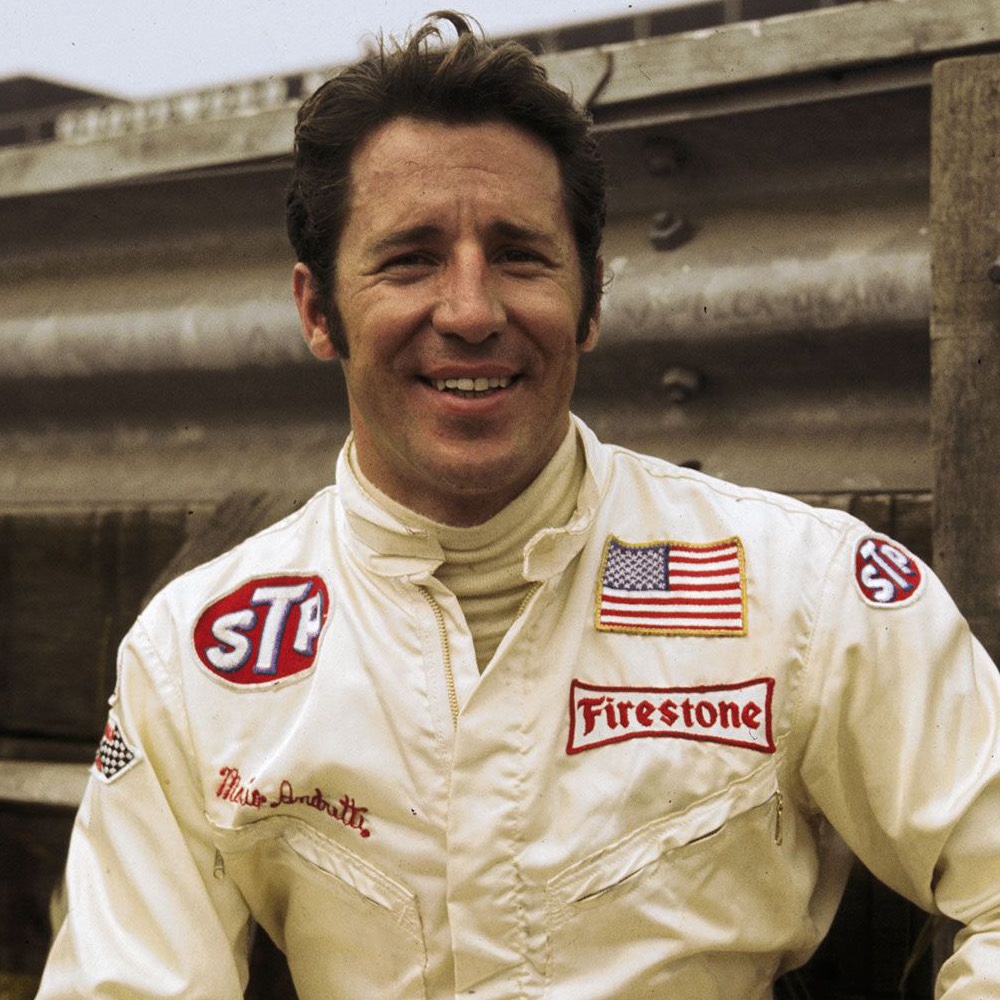
He mentored numerous younger drivers, including Mario Andretti, who credits Duncan with having a great influence on his professional life. Andretti raced against Duncan in the ARDC series in 1963, and the young Andretti learned from watching the veteran's smooth, intelligent driving style. The fact that Duncan was still competitive against a future Formula One World Champion when Duncan was in his 50s and Andretti in his early 20s speaks to Duncan's enduring skill. Duncan was inducted into the National Midget Auto Racing Hall of Fame in 1991, recognition of over 500 race victories and his status as one of midget racing's greatest champions.
His induction came while he was still alive to appreciate the honor, unlike many drivers who are only recognized posthumously. After finally retiring from active competition in the 1980s—having raced for approximately 60 years—Duncan lived quietly in Lansdale, Pennsylvania. He occasionally attended midget racing events and reunions, where he was treated as a living legend by younger generations of drivers who had grown up hearing stories of his achievements. Duncan passed away on 1 August 1998 at the age of 87 in Lansdale, Pennsylvania, having lived a remarkably full life.
His death received coverage in American motorsport publications, with obituaries celebrating his longevity, achievements, and contributions to midget racing. Known for his smooth driving style, intelligence in race strategy, extraordinary longevity, willingness to mentor younger drivers, and sustained excellence across seven decades, Len Duncan represents an era of racing when drivers competed for love of the sport rather than financial reward. His four Indianapolis 500 starts are a footnote to a career defined by midget racing success, but they ensure his name appears in Formula One's historical records alongside legends who achieved far more on the world stage but could not match his incredible career span.