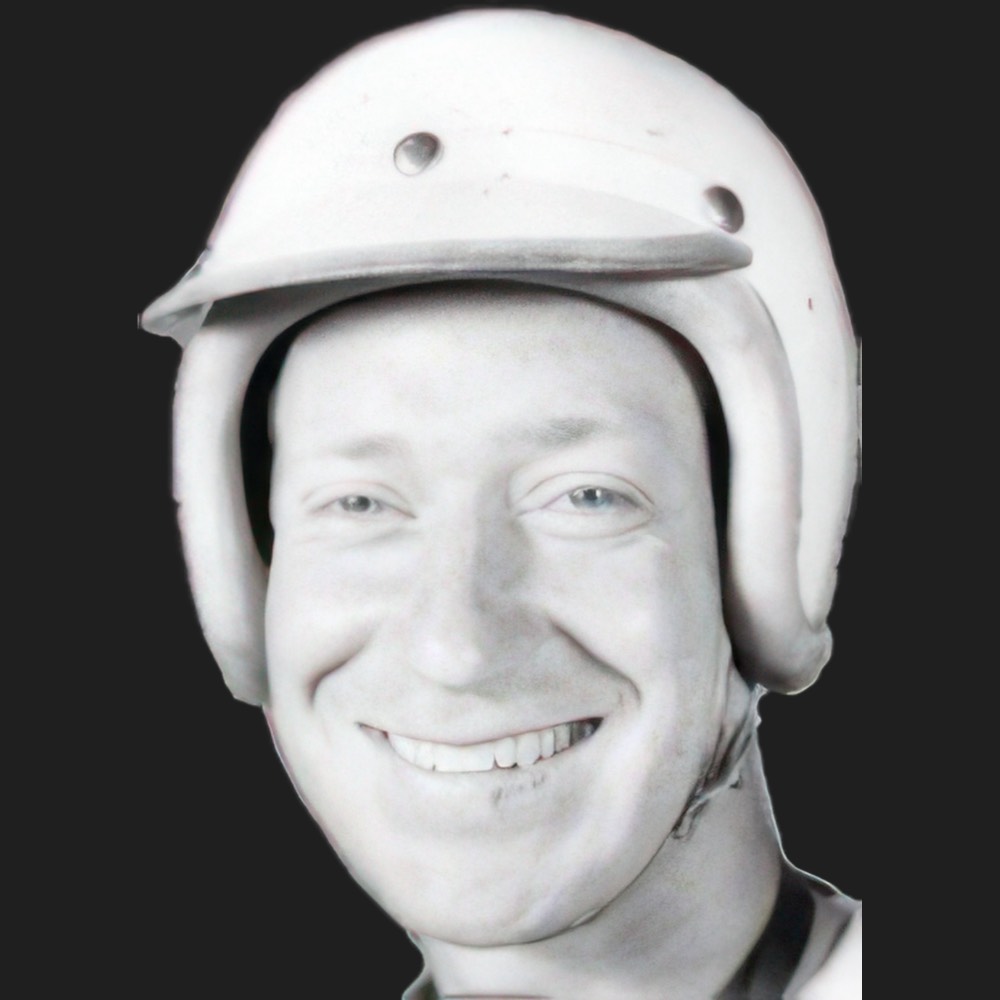
Mike Magill
Career Statistics
Biography
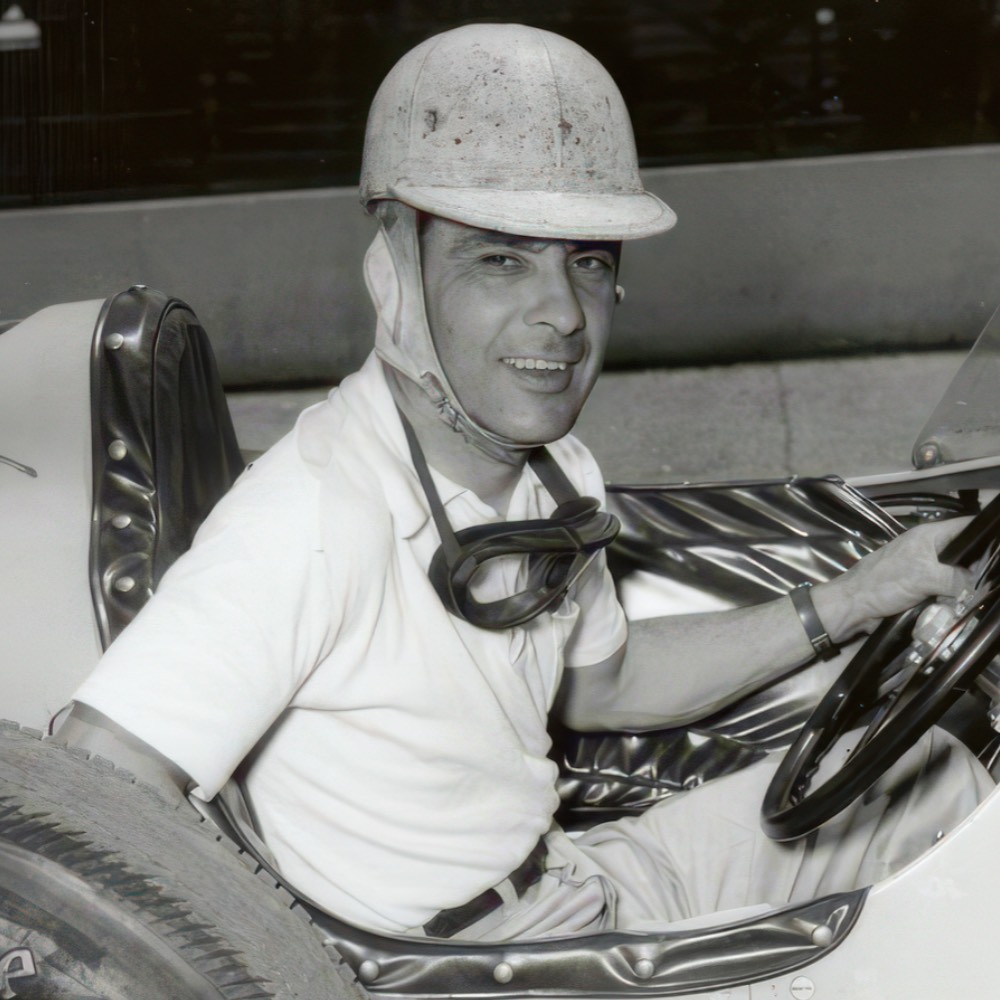
Charles Edward 'Mike' Magill (8 February 1920 - 31 August 2006): American racing driver from Haddonfield, New Jersey who participated in three Formula One World Championship Grands Prix from 1957 to 1959, all Indianapolis 500 races, achieving a best finish of fourth at the 1955 Langhorne race and scoring no World Championship points. Magill competed in the AAA and USAC Championship Car series from 1955 to 1959 with 15 career starts, finishing in the top ten seven times. He was eliminated from the 1959 Indianapolis 500 in a four-car accident. Born in Haddonfield, New Jersey during the final months of World War I, Magill came of age during the Great Depression and served in the U.
S. Army during World War II. After the war, he returned to civilian life and began racing in the early 1950s, entering Championship Car racing in 1955 when he was already 35 years old—relatively old for a racing rookie. Magill made his Championship Car debut in 1955 and immediately showed competitiveness, finishing fourth at Langhorne Speedway, a notoriously dangerous one-mile dirt oval in Pennsylvania known as 'The Big Left' because it was run counter-clockwise.
The fourth-place finish at Langhorne was Magill's best career result and demonstrated he possessed the bravery and skill necessary to race on one of America's most fearsome tracks. From 1955 to 1959, Magill competed in 15 Championship Car races, achieving seven top-ten finishes—a respectable success rate of nearly 50%. His consistency established him as a reliable if unspectacular competitor in USAC's premier category. Magill made his first Indianapolis 500 start in 1957, participating in the race on 30 May.
The Indianapolis 500 counted toward the Formula One World Championship from 1950-1960, making Magill's 1957, 1958, and 1959 Indy 500 starts also Formula One World Championship race entries. However, Magill never finished the Indianapolis 500, retiring from all three attempts with mechanical failures or accidents. In 1958, Magill drove the car in which Juan Manuel Fangio—the reigning Formula One World Champion—had been practicing. Fangio was unable to compete at Indianapolis due to a contractual conflict with his Formula One team, leaving the car available.
Magill's opportunity to drive Fangio's practice car generated publicity, but mechanical issues prevented him from finishing the race. Magill's final Indianapolis 500 came in 1959, when he was eliminated in a dramatic four-car accident during the race. The crash involved multiple cars and ended Magill's participation, along with several other drivers. While he escaped serious injury, the accident marked the end of his Indianapolis 500 attempts.
Following the 1959 season, Magill retired from Championship Car racing at age 39, concluding a five-year career that had begun later in life than most competitors. His retirement came as USAC racing was evolving toward younger, more aggressive drivers, and opportunities for veterans in their late 30s were diminishing. After retiring from racing, Magill lived quietly in New Jersey, maintaining minimal public profile. He occasionally attended racing reunions and historic events but largely disappeared from motorsport's public eye.
Magill lived to age 86, passing away on 31 August 2006 in New Jersey. His death received limited coverage, mentioned primarily in American motorsport historical publications noting his participation in the Indianapolis 500 during the years it counted toward the Formula One World Championship. Known for his fourth-place finish at the dangerous Langhorne Speedway, three Indianapolis 500 starts (1957-1959) counting toward Formula One World Championship, driving Juan Manuel Fangio's practice car at the 1958 Indianapolis 500, elimination in a four-car accident at the 1959 Indy 500, seven top-ten finishes from 15 Championship Car starts, and late entry into racing at age 35, Mike Magill represents the American Championship Car drivers whose Formula One records consist solely of Indianapolis 500 participation.
While the Indy 500 counted toward the F1 championship during his era, Magill never competed in a true road-racing Grand Prix, making him a Formula One driver only in the technical sense. His career reflects an era when American and European racing existed as separate worlds, occasionally overlapping at Indianapolis.