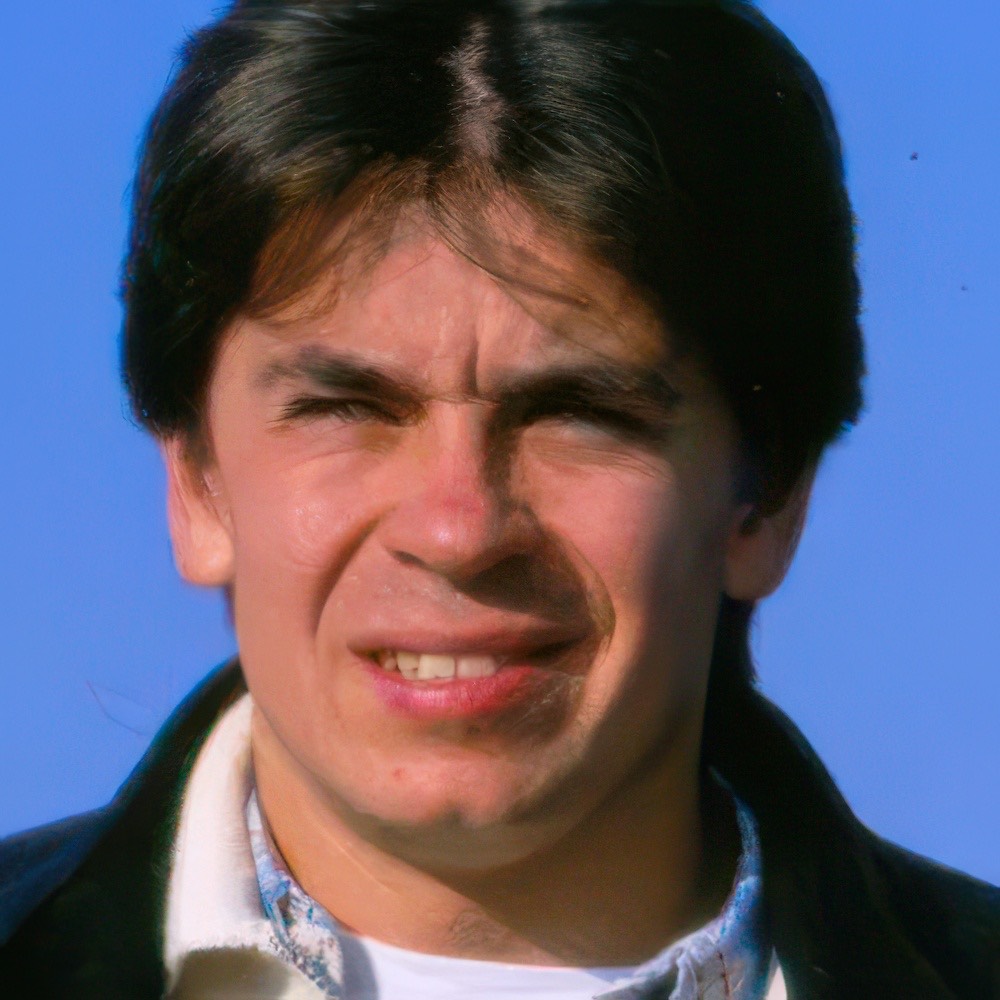
Norberto Fontana
Career Statistics
Biography
Norberto Edgardo Fontana (born 20 January 1975) is an Argentine former racing driver who competed in four Formula One World Championship Grands Prix during 1997, serving as replacement driver for the injured Gianni Morbidelli at Sauber and scoring no championship points despite showing reasonable pace, before his Formula One career ended and he returned to Argentina where he enjoyed tremendous success in national touring car championships, winning the TC2000 title twice (2002 and 2010) and the Turismo Carretera championship in 2006, demonstrating that Formula One failure does not preclude success in other motorsport disciplines. Born in Arrecifes, Buenos Aires Province, Argentina, Fontana began racing in karting at age eight, starting young even by motorsport standards, and he competed in karting throughout his childhood and teenage years, developing the car control skills and competitive instincts that would serve him throughout his career.
In 1992, Fontana transitioned from karting to car racing, competing in the Formula Renault Argentina series, and after gaining experience in his home country, he moved to European competition in 1993, joining the intensely competitive European Formula Renault series where he faced drivers from across the continent. Fontana progressed to the German Formula Three Championship for 1994 and 1995, and the 1995 season brought him the championship title as well as victory at the prestigious Marlboro Masters event at Zandvoort, defeating a field that included future Formula One stars Ralf Schumacher, Alexander Wurz, Jarno Trulli, and Jan Magnussen, establishing himself as one of Europe's hottest young prospects.
His German F3 Championship success attracted the attention of Sauber team principal Peter Sauber, who approached Fontana for a test session at Barcelona in late 1994, and impressed by Fontana's performance, Sauber signed him as a test driver for 1995, giving the young Argentine his first connection to Formula One. Rather than immediately pursuing a Formula One race seat, Fontana spent 1996 and 1997 racing in Formula Nippon in Japan, driving for Nova Engineering in 1996 and Le Mans team in 1997, gaining experience in powerful single-seaters while earning income and maintaining his Sauber test driver relationship. Fontana's Formula One race opportunity came during the 1997 season when Sauber's regular driver Gianni Morbidelli suffered injuries that forced him to miss four races, and Fontana was called up as replacement, making his Formula One debut at the 1997 French Grand Prix at Magny-Cours on 29 June 1997.
Across his four Formula One starts at the French, British, German, and European Grands Prix, Fontana drove competently but without distinction, qualifying in the midfield and finishing races in positions outside the points, and his best moment came at the controversial 1997 European Grand Prix at Jerez where he appeared to block Jacques Villeneuve—who was battling Michael Schumacher for the World Championship—raising questions about team orders and driver conduct, and Fontana eventually finished 14th after a memorable moment overtaking Jos Verstappen with two wheels on the grass. When Morbidelli recovered from his injuries, Fontana's Formula One opportunity ended, and he never secured another race seat despite his 1995 German F3 Championship credentials, as Formula One teams during the late 1990s had numerous talented drivers competing for limited seats, and Fontana's unremarkable four-race stint provided no compelling reason for teams to offer him further opportunities.
After his brief Formula One career, Fontana made the strategic decision to return to Argentina and focus on the country's highly competitive touring car championships, and this decision proved remarkably successful as he became one of Argentine touring car racing's dominant figures across two decades. In the TC2000 championship—Argentina's premier touring car series featuring silhouette racers based on production sedans—Fontana won the championship in 2002 driving a Toyota and again in 2010 driving a Ford, demonstrating longevity and adaptability by winning titles eight years apart with different manufacturers. In 2006, Fontana captured the Turismo Carretera championship, winning Argentina's oldest and most traditional motorsport series that features production-based sedans racing on road courses and ovals, adding another prestigious national title to his resume and cementing his status as one of Argentina's greatest touring car drivers.
Throughout his Argentine touring car career spanning the late 1990s through the 2010s, Fontana competed in multiple series including Turismo Carretera, TC2000, and Top Race V6, winning races regularly and maintaining competitiveness across two decades of intense national championship competition, proving that his talent was genuine even if his Formula One career never developed. Norberto Fontana's Formula One statistics—four starts, zero points, no particularly memorable performances—would suggest a minor footnote in Grand Prix history, but his broader motorsport career tells a very different story: he was a German Formula 3 Champion who defeated future Formula One stars, he competed in Formula One albeit briefly, and he returned home to become a multiple-time national touring car champion in Argentina's fiercely competitive domestic racing scene, demonstrating versatility and sustained excellence across different forms of motorsport and different continents.
His story serves as a reminder that Formula One is not the only measure of a racing driver's success or significance, and that drivers who fail to establish Formula One careers can nevertheless achieve tremendous success in other championships, often enjoying longer careers, more victories, and greater satisfaction than some drivers who cling to uncompetitive Formula One seats for years without achieving meaningful results, making Fontana's decision to return to Argentina and dominate national touring car racing a wise career move that brought him far greater success than continuing to pursue increasingly unlikely Formula One opportunities would have provided.