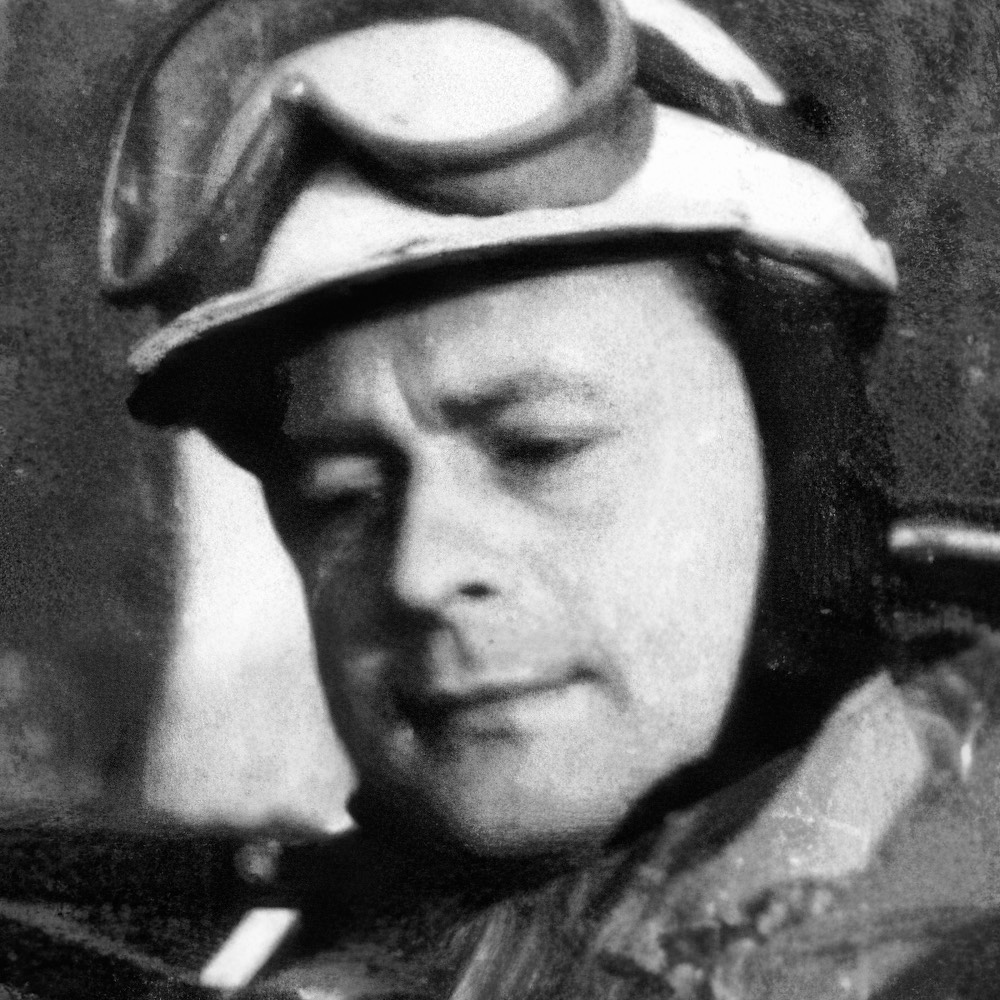
Oswald Karch
Career Statistics
Biography
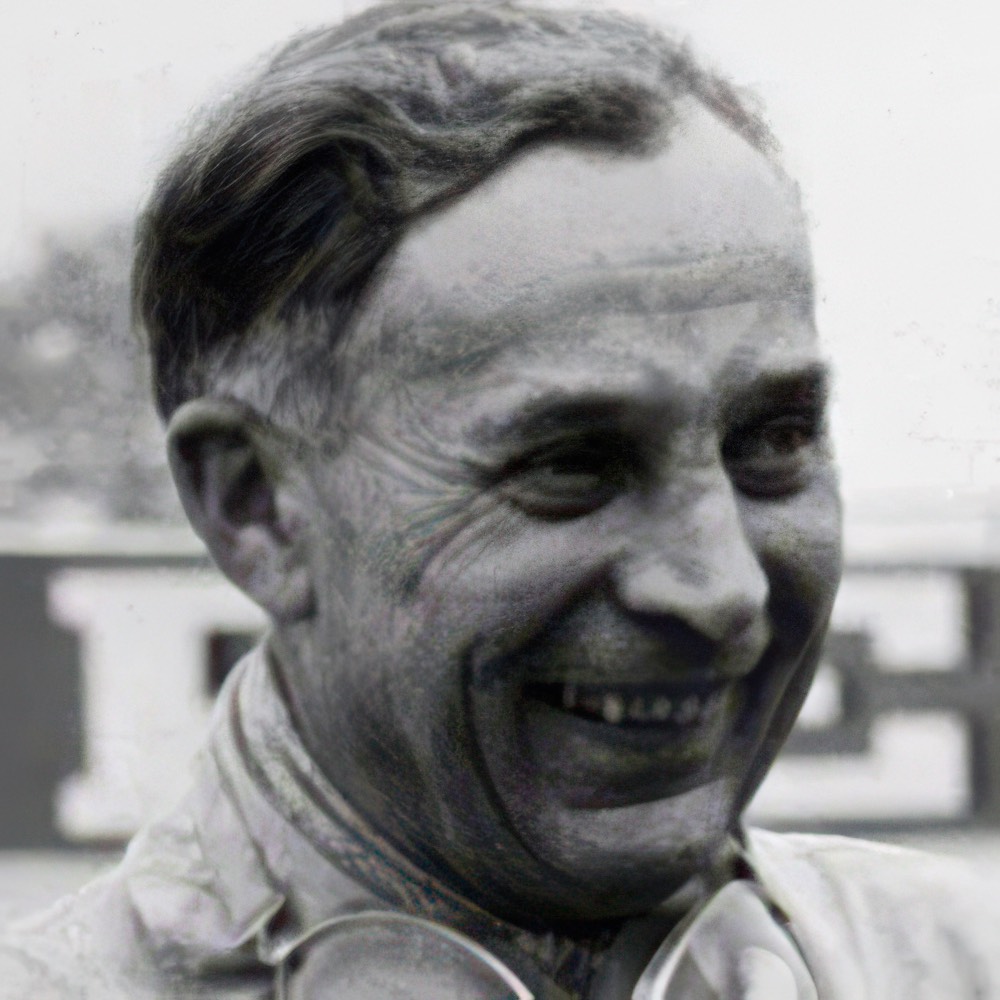
Oswald Karch (6 March 1917 - 28 January 2009): German racing driver from Ludwigshafen who participated in one Formula One World Championship Grand Prix, the 1953 German Grand Prix at the Nürburgring, where despite failing to set a qualifying time he was permitted to start the race in 34th and last position but retired after just one lap, representing the entirety of his Formula One career, though he competed more extensively in Formula Two races within Germany during the 1950s. Born in Ludwigshafen in the Rhineland-Palatinate region of southwestern Germany on 6 March 1917, Karch grew up during the tumultuous interwar period and his young adulthood was consumed by World War II. He did not begin his motorsport career until after the war when Germany was rebuilding and racing was resuming.
Karch started racing in Formula Two in the early 1950s, competing on both sides of the Iron Curtain in East and West Germany during a period when the divided nation was establishing its motorsport culture. He initially drove a BMW Eigenbau (Eigenbau meaning 'self-built' or 'special'), a home-built racing car using BMW components, demonstrating the resourcefulness required for privateer racing in post-war Germany when purpose-built racing cars were expensive and difficult to obtain. In 1952 Karch switched to driving a Veritas, a German racing car manufacturer that produced sports cars and Formula Two cars during the early 1950s. He raced the Veritas at various venues including Leipzig in East Germany, crossing between the two Germanys to compete, which became increasingly difficult as the Cold War intensified.
Karch's Formula One opportunity came at the 1953 German Grand Prix at the Nürburgring Nordschleife on 2 August 1953, the sixth round of the 1953 World Championship. He entered driving a Veritas Meteor-BMW, attempting to qualify for the race at Germany's most prestigious circuit. However, during qualifying Karch was unable to set a timed lap, either due to mechanical problems with his car or simply being unable to complete a clean lap on the daunting 14-mile Nordschleife circuit with its 170+ corners, dramatic elevation changes, and extreme danger. Despite not setting a qualifying time, the race organizers permitted Karch to start from the back of the grid in 34th and last position, a decision likely motivated by desire to include as many German drivers as possible at the home Grand Prix and to fill out the field.
This practice of allowing local drivers to start even without qualifying times was not uncommon in the 1950s, particularly at national Grands Prix. However, Karch's race lasted only one lap. After completing the opening lap of the 18-lap race, Karch retired with mechanical failure, his Veritas-BMW unable to continue. This inglorious single-lap appearance represented the entirety of Oswald Karch's Formula One World Championship career: one start, zero laps completed under racing conditions (the formation/opening lap didn't count toward race distance), zero points, and an immediate retirement.
Following this disappointing Formula One experience, Karch returned to competing primarily in German Formula Two races and occasional sports car events throughout the 1950s, though he never achieved notable success or returned to Formula One. He gradually reduced his racing activities as the decade progressed and eventually retired from competition altogether. Following his retirement from racing, Karch lived quietly in Germany, eventually settling in Mannheim, a city near his birthplace of Ludwigshafen. He remained largely disconnected from the international motorsport scene and lived a long life far removed from his brief brush with Formula One.
Oswald Karch passed away on 28 January 2009 in Mannheim at the extraordinary age of 91, having lived nearly 56 years after his sole Formula One World Championship appearance. His longevity meant he witnessed Formula One's entire evolution from the dangerous, primitive era of the 1950s when he competed through to the modern professional age of the 2000s with safety cells, HANS devices, and million-dollar budgets—a transformation almost impossible to comprehend. Karch's story represents the many privateer drivers who attempted Formula One during the 1950s with inadequate equipment, limited resources, and insufficient preparation, hoping against hope to compete with the factory teams and professional drivers.
The vast majority of these privateers failed to make any impact, and Karch's single-lap retirement exemplifies their struggles. Known primarily for the futility of his sole Formula One appearance rather than any achievements, Karch nevertheless deserves recognition as a Formula One World Championship entrant who attempted to compete at the highest level with the limited means available to him in post-war Germany, representing the thousands of hopeful racers whose dreams exceeded their resources.