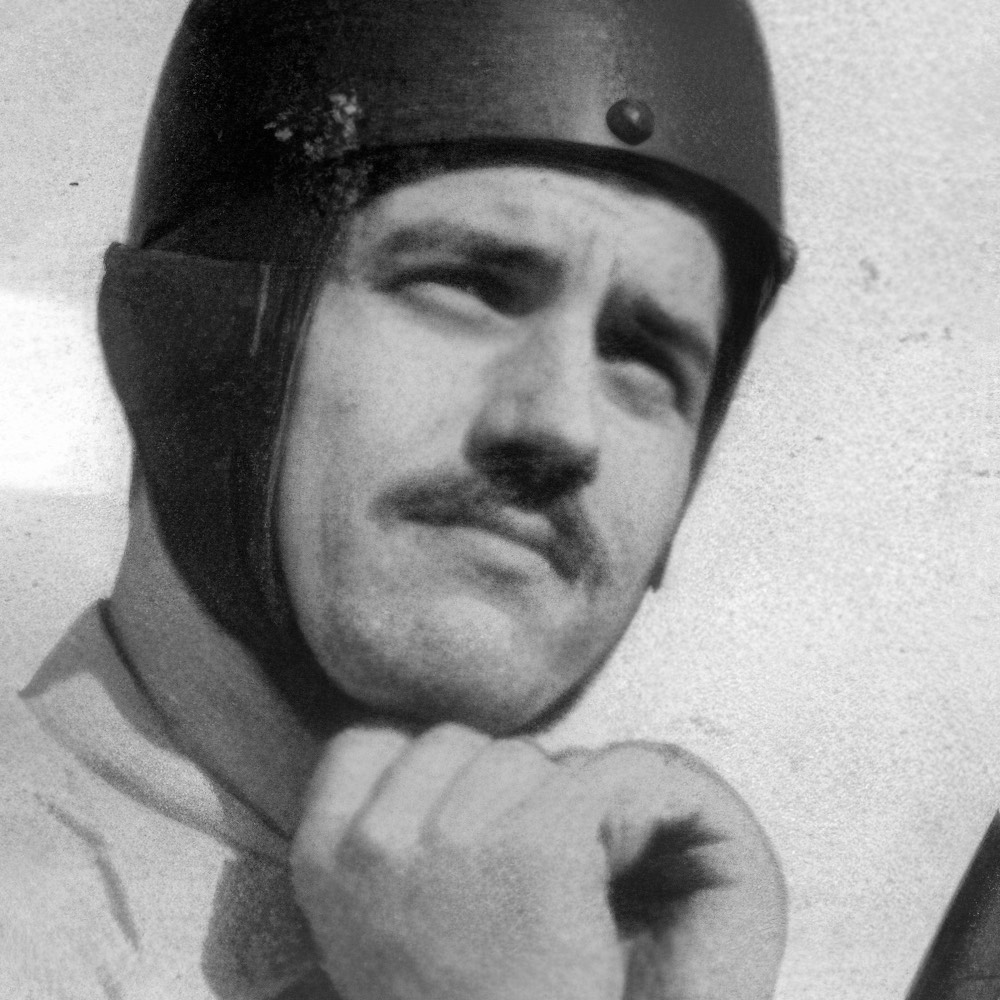
Pablo Birger
Career Statistics
Biography
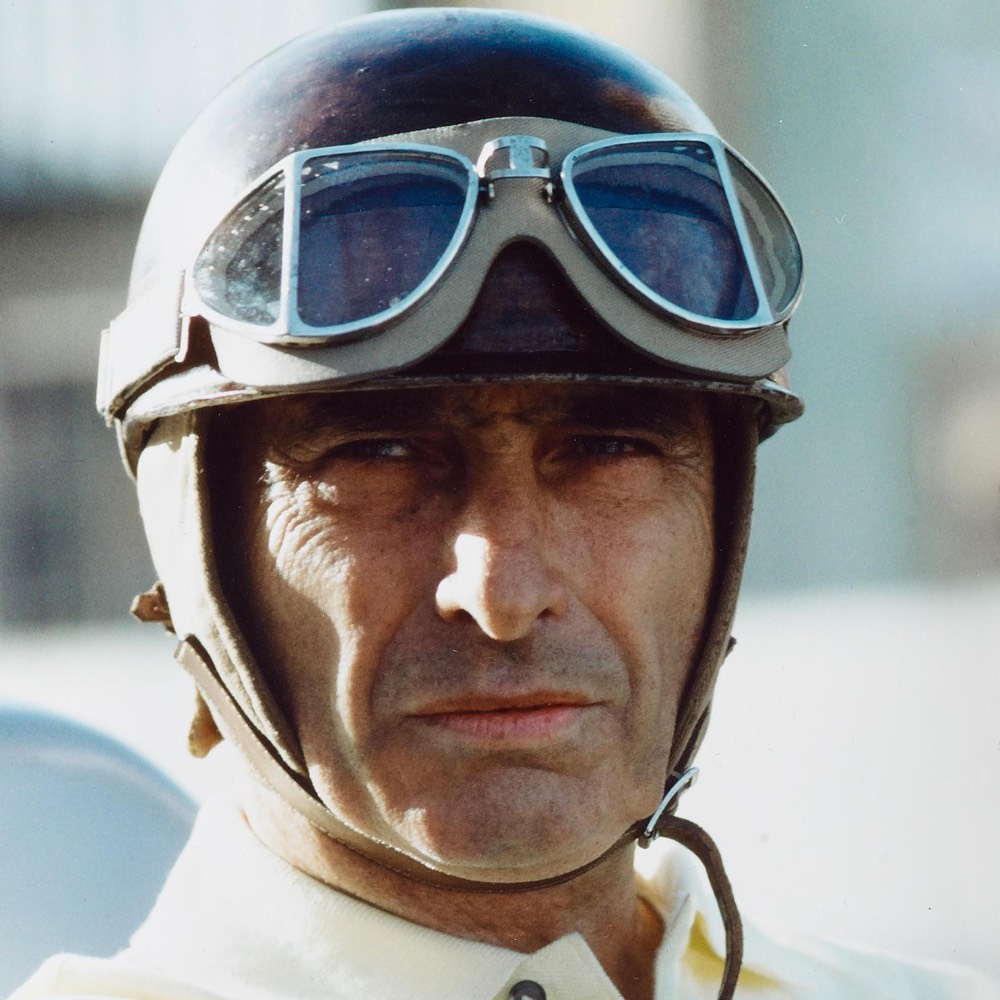
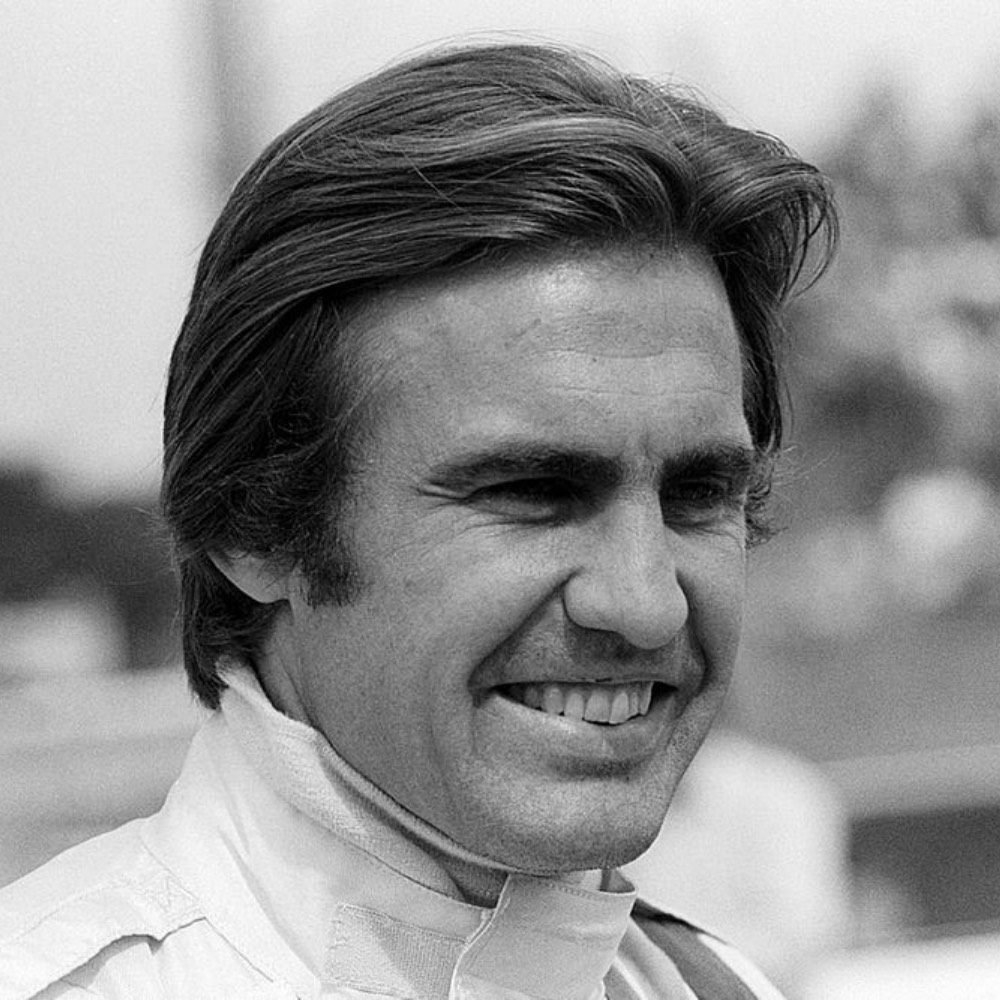
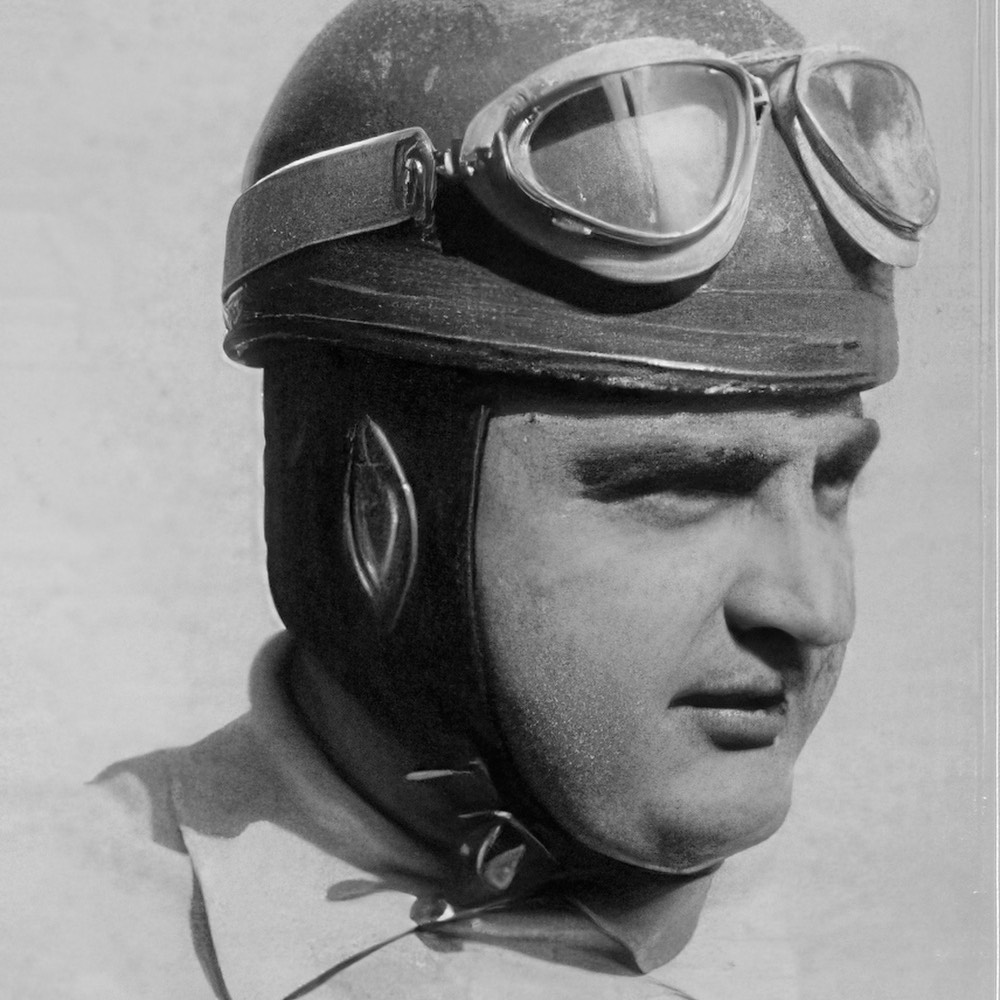
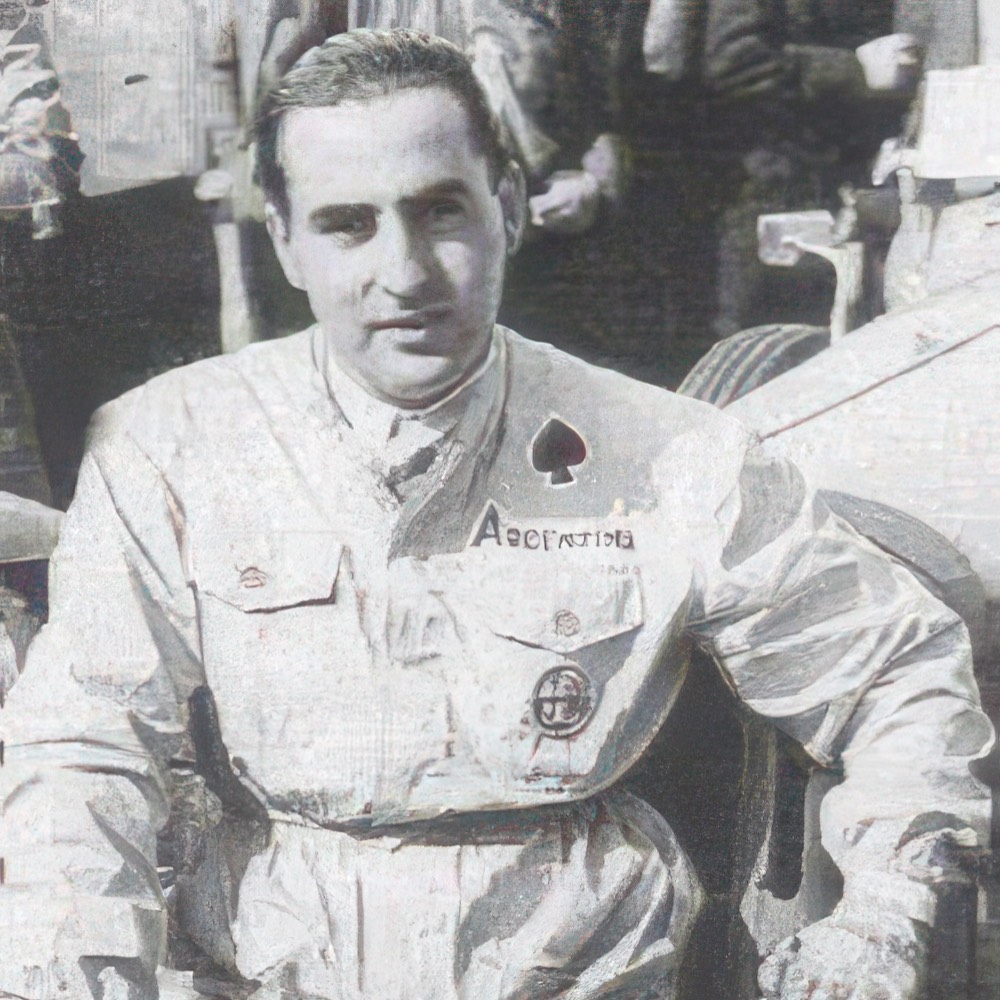
Pablo Birger (7 January 1924 - 9 March 1966) was an Argentine racing driver who made two brief appearances in Formula One World Championship races during the early 1950s, both at his home Argentine Grand Prix. Born in Buenos Aires, Argentina, Birger competed during the formative years of the World Championship when South American drivers were just beginning to make their mark on the international Grand Prix scene. His Formula One career, though extremely brief, came during an era when Argentine motorsport was experiencing its golden age, with drivers like Juan Manuel Fangio dominating the World Championship. Birger made his Formula One debut at the 1953 Argentine Grand Prix, the second round of the 1953 World Championship held at the Autódromo Oscar Alfredo Gálvez in Buenos Aires.
Like many privateer drivers of the era, Birger rented a seat with the French Gordini team to compete at his home Grand Prix. He drove a Gordini Type 15, a car that was typically outclassed by the dominant Ferraris and Maseratis but provided opportunities for drivers with limited budgets to compete in World Championship events. Unfortunately, Birger's debut was short-lived, as mechanical issues forced him to retire after completing just 21 laps of the race. The retirement was disappointing for the Argentine driver making his Grand Prix debut in front of his home crowd, but mechanical unreliability was a common challenge for Gordini entries during this period.
After sitting out the 1954 season, Birger returned for a second attempt at the 1955 Argentine Grand Prix, once again renting a Gordini seat, this time in the improved Type 16 chassis. The 1955 race represented his final appearance in World Championship Formula One. Unfortunately, disaster struck on the opening lap when Birger spun his Gordini and collided with fellow Argentine driver Carlos Menditeguy. The first-lap incident ended Birger's race immediately and marked the conclusion of his World Championship career.
Two starts, two retirements—Birger's Formula One statistics tell the story of a driver who never had the opportunity to demonstrate his full capabilities at the sport's highest level. Throughout his brief Formula One career, Birger competed exclusively at the Argentine Grand Prix, never traveling to race in Europe. This was not uncommon for South American drivers in the 1950s, as the costs of competing in the European rounds of the championship were prohibitive for privateer entries. Many Argentine drivers focused on domestic racing while making occasional appearances at their home Grand Prix when opportunities arose.
Beyond his two World Championship starts, Birger competed in Argentine domestic motorsport, though detailed records of his non-championship racing career are limited. The 1950s were a challenging period for Argentine racers not named Fangio, as the five-time World Champion's dominance overshadowed his compatriots despite their own considerable talents. After his Formula One appearances ended in 1955, Birger continued living in Buenos Aires and remained connected to the Argentine motorsport community. His post-racing life was tragically cut short when he died in a road traffic accident in Buenos Aires on 9 March 1966, at the age of 42.
The circumstances of the accident that claimed his life demonstrated the irony that often befell racing drivers—surviving the dangers of circuit competition only to lose their lives in ordinary road accidents. Pablo Birger's name appears in the historical records of Formula One as one of Argentina's early World Championship participants, part of the generation that helped establish South American presence in Grand Prix racing. Though his career consisted of just two race starts without a classified finish, Birger represents the many privateer drivers who competed in Formula One's early years with limited equipment and resources, driven by passion for racing rather than realistic expectations of success.
His brief appearances in 1953 and 1955 came during a golden era for Argentine motorsport, when Juan Manuel Fangio was establishing himself as one of the greatest drivers in history and bringing enormous pride to Argentina. While Birger never achieved the success of his legendary compatriot, his willingness to compete at Formula One's highest level contributes to the rich history of Argentine participation in Grand Prix racing. Today, Pablo Birger is largely forgotten outside of statistical records, but his story reflects the experiences of countless privateer drivers in Formula One's early decades—competitors who raced with inadequate equipment, limited financial backing, and little realistic hope of success, yet were driven by an undeniable passion for Grand Prix racing.
His death in a road accident at age 42 added a somber conclusion to a life dedicated to motorsport, making him one of many drivers from Formula One's early era whose stories deserve to be remembered alongside the champions and race winners.