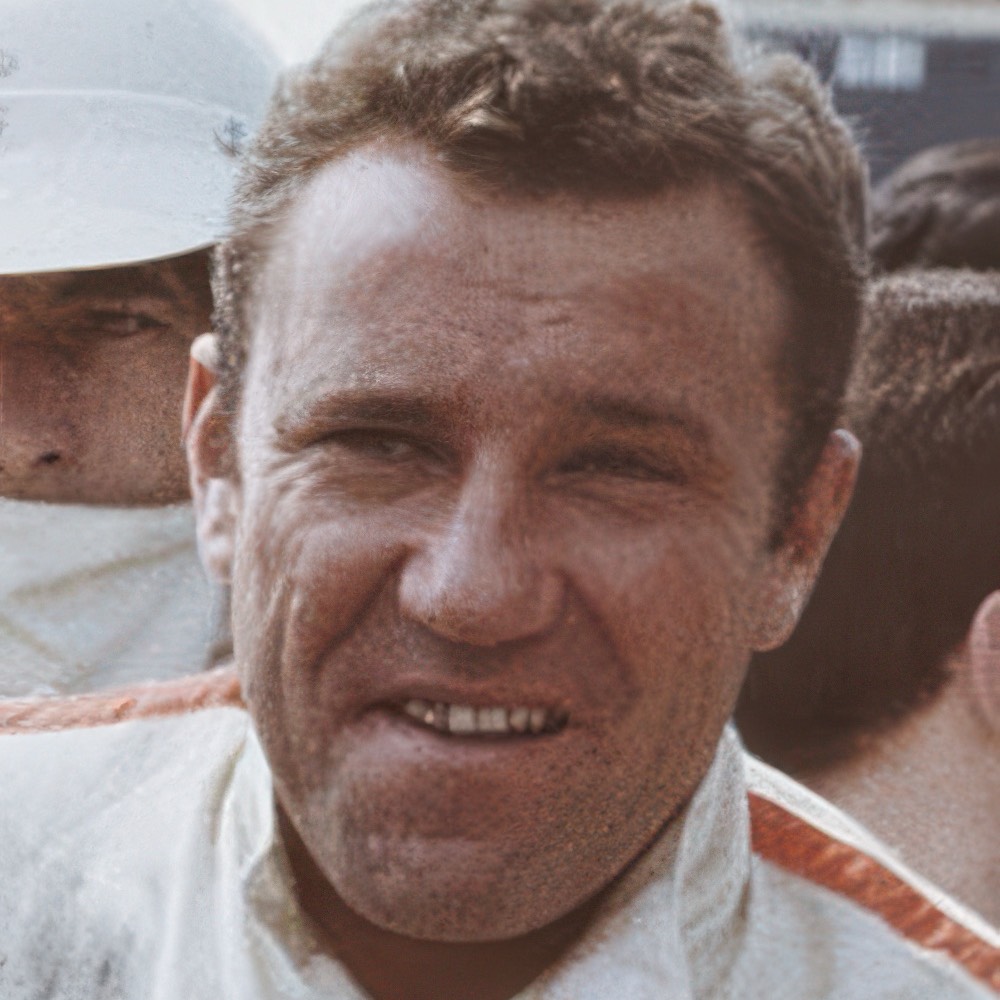
Paul Hawkins
Career Statistics
Biography
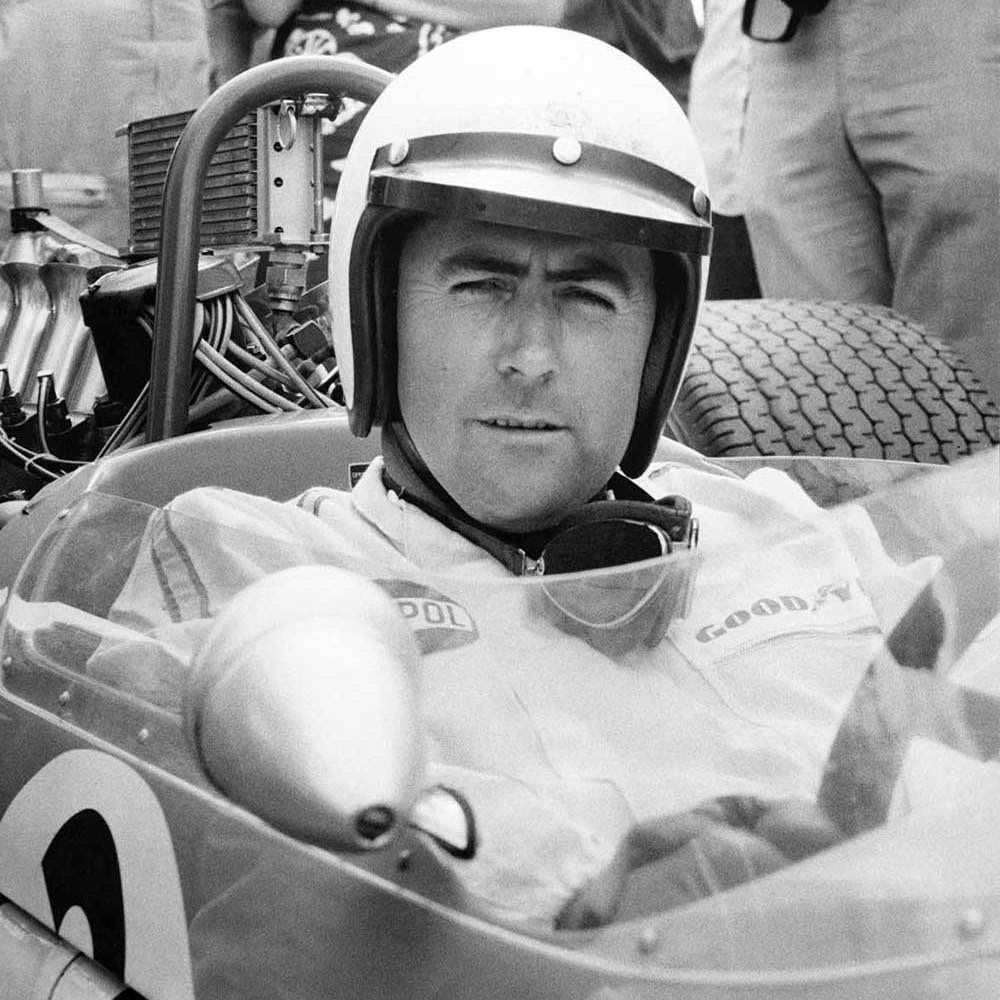
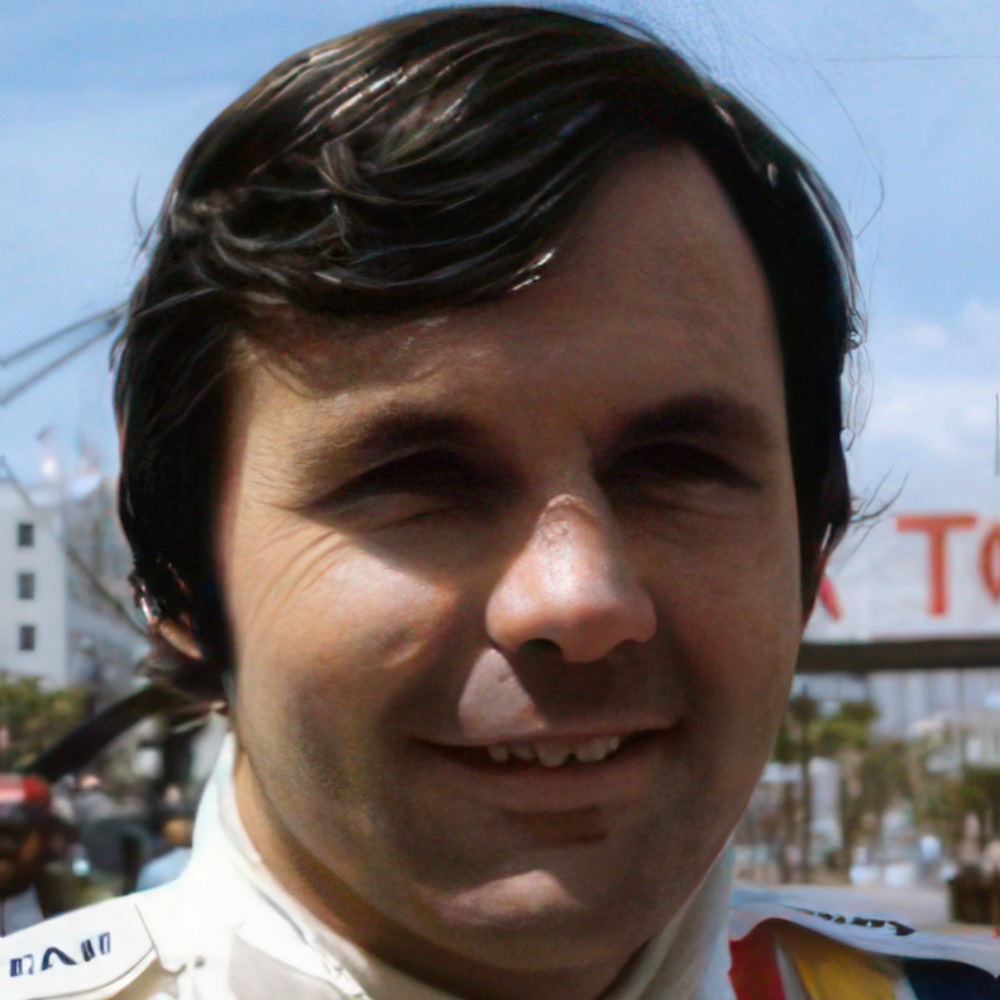
Robert Paul Hawkins (12 October 1937 - 26 May 1969): Australian racing driver from Mount Gambier, South Australia who participated in three Formula One World Championship Grands Prix between 1965 and 1969, scoring no championship points, but who achieved far greater success in sports car racing, winning the 1967 Targa Florio co-driving with Rolf Stommelen in a Porsche 910, and who became one of only two Formula One drivers (alongside Alberto Ascari) to crash into the Monaco harbour during a Grand Prix, before being tragically killed at age 31 when his Lola T70 crashed and burned at Oulton Park during the 1969 RAC Tourist Trophy. Born in Mount Gambier, South Australia on 12 October 1937, Hawkins was the son of a racing motorcyclist who later became a church minister, growing up in a household where motorsport passion was balanced against religious devotion.
This unique upbringing shaped Hawkins' character—he was known as rugged, fearless, and hard-charging on track, but respectful and thoughtful off it. Hawkins began his racing career in Australia in 1958, driving an Austin-Healey in local competitions and quickly demonstrating natural talent and car control. In 1960, he made the significant decision to leave Australia and travel to England to pursue his racing ambitions, arriving with limited resources but enormous determination. He went to work at the Donald Healey factory in 1960, employed to race the company's Austin-Healey Sprites in British club racing, a role that provided both income and racing opportunities.
Hawkins proved to be a capable single-seater driver, competing in various junior formulae including Formula Junior, but he really made his mark as an outstanding sports car driver, particularly in powerful machinery like Ford GT40s and Lola T70s where his aggressive, spectacular style suited the brutal horsepower. His first Formula One World Championship appearance came at the 1965 Monaco Grand Prix on 30 May 1965, driving a Lotus-BRM entered as a privateer. This race would produce the moment for which Hawkins is best remembered, though not for positive reasons. On lap 79 of the 100-lap race, while running mid-pack, Hawkins approached the chicane (the tight left-right-left section before the harbour) too quickly, lost control, and spun.
The Lotus careered through the barriers and plunged into Monaco harbour, sinking to the bottom with Hawkins trapped inside. The rugged Australian managed to escape the submerged car, swimming to the surface and striking out for shore as rescue boats approached. He was pulled from the water shaken but uninjured, becoming only the second driver (after Alberto Ascari in 1955) to crash into Monaco harbour during a Grand Prix. The dramatic incident was captured by photographers and became one of Monaco's most famous crashes, cementing Hawkins' place in Formula One history despite his limited grand prix success.
Hawkins' second Formula One World Championship appearance came at the 1965 British Grand Prix at Silverstone on 10 July 1965, again driving a Lotus, but he retired early with mechanical problems. His third and final Formula One World Championship entry was at the 1969 South African Grand Prix at Kyalami on 1 March 1969, driving a Ford-powered car, but again he retired without finishing. Across three Formula One starts, Hawkins never finished a race and scored no championship points, though this statistical failure masks his considerable abilities in sports car competition. Hawkins' greatest racing achievement came on 14 May 1967 when he won the legendary Targa Florio in Sicily, co-driving a factory-entered Porsche 910 with German driver Rolf Stommelen.
The Targa Florio, contested on the treacherous 72-kilometer Madonie mountain circuit featuring narrow roads, stone walls, and precipitous drops, was one of motorsport's most demanding and dangerous races. Hawkins' victory in this iconic event demonstrated his world-class abilities in sports car racing and remains the highlight of his career. In 1969, Hawkins was included in the FIA's list of graded drivers, an elite group of only 27 drivers worldwide who by their achievements were rated the best in the world—recognition that placed him among the absolute top tier of international sports car racers despite his limited Formula One success. Tragedy struck on 26 May 1969 during the RAC Tourist Trophy at Oulton Park in Cheshire, England.
Hawkins was driving a Lola T70 MkIIIB GT in the sports car race when he crashed heavily at Island Bend, one of the circuit's fastest corners. The Lola hit the barriers, overturned, and burst into flames. Hawkins was trapped in the burning wreckage and suffered fatal injuries before marshals could extract him. He died at the scene at age 31, just two weeks past his 32nd birthday, another talented life cut short in an era when fire was one of racing's greatest killers.
The motorsport world mourned Hawkins as one of Australia's finest sports car drivers, a fearless competitor whose aggressive style produced spectacular victories like the Targa Florio but ultimately contributed to his death. His funeral in England was attended by numerous racing figures who remembered him as a hard-charging racer and genuinely nice person who lived for the thrill of driving powerful cars at the absolute limit. Hawkins' legacy in Australian motorsport is remembered through his Targa Florio victory, his inclusion in the FIA's elite 27-driver graded list, and his status as one of the finest Australian sports car drivers of the 1960s. His Monaco harbour crash remains one of Formula One's most famous incidents, ensuring his name lives on in grand prix lore despite never finishing a World Championship race.
Known for crashing into Monaco harbour and swimming to safety (one of only two drivers to do so), for winning the 1967 Targa Florio with Rolf Stommelen, for being included in the FIA's exclusive 27-driver elite graded list, for his aggressive driving style in powerful sports cars, and for his tragic death in a fiery crash at Oulton Park at age 31, Paul Hawkins represents both the extraordinary bravery and the terrible risks of 1960s sports car racing, when drivers accepted mortal danger as the price of competing in the sport they loved.