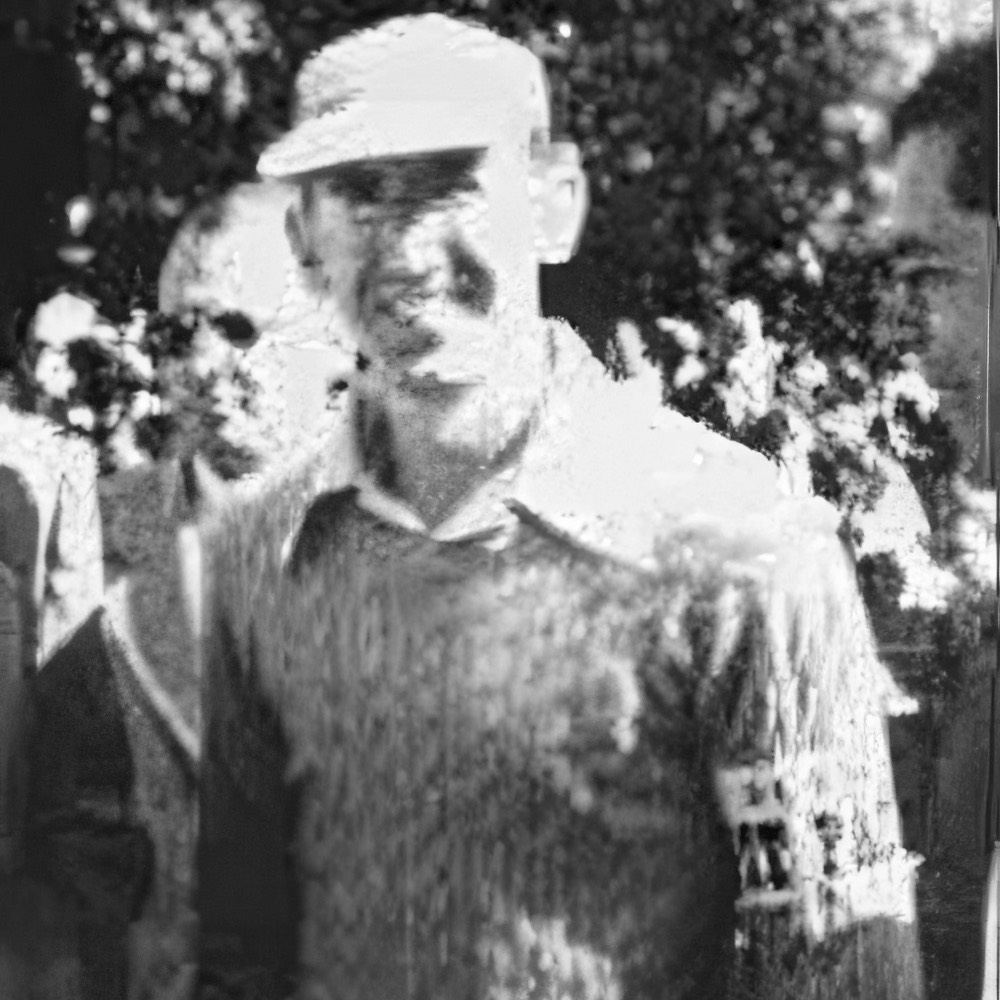
Phil Cade
Career Statistics
Biography
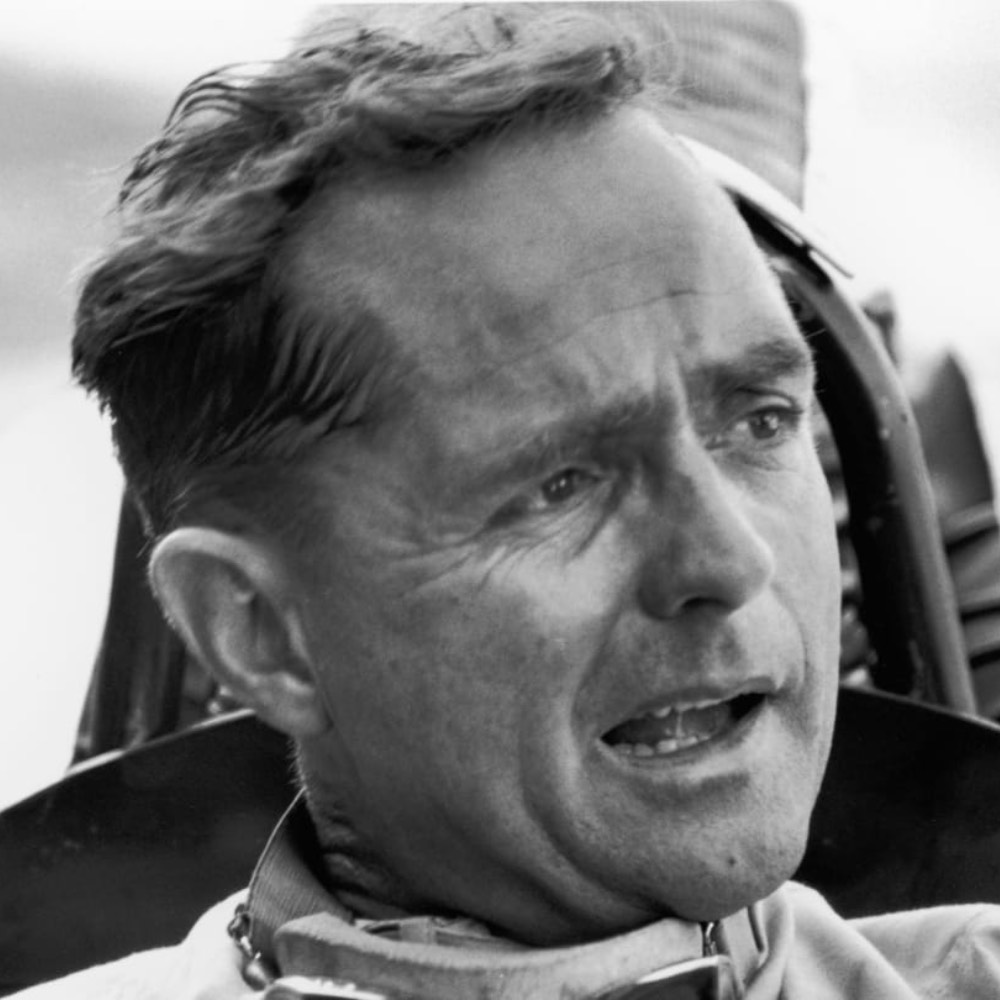
Philip 'Phil' Cade (12 June 1916 - 28 August 2001) was an American amateur racing driver who competed in one Formula One World Championship Grand Prix, the 1959 United States Grand Prix, failing to start the race due to engine problems. Born in Charles City, Iowa, on 12 June 1916, Cade was a Maserati enthusiast whose passion for the Italian manufacturer's racing machinery defined his motorsport career. In 1950, Cade purchased an ex-Philippe Étancelin Maserati V8RI, one of the exotic straight-eight-cylinder racing cars that Maserati had built for Grand Prix competition in the late 1930s. The V8RI represented one of motorsport's most advanced and powerful prewar racing cars, and Cade's acquisition of such a significant machine demonstrated both his financial resources and commitment to historic racing machinery.
Cade raced his Maserati V8RI in SCCA (Sports Car Club of America) events on the American East Coast throughout the early 1950s. When the original Maserati straight-eight engine failed catastrophically, rather than sourcing a replacement Maserati engine, Cade took the pragmatic American approach and fitted a Chrysler V8 engine—a modification that horrified Italian racing purists but reflected American hot-rodding culture. Despite this unconventional powerplant, Cade achieved considerable success, winning the 1954 SCCA Formule Libre title, a category for unlimited racing cars that attracted diverse machinery. Four years later, in 1958, Cade won the Seneca Cup at Watkins Glen, one of America's most prestigious racing venues.
Cade and his Chrysler-powered V8RI also participated successfully at the Mount Washington Hillclimb throughout the mid-1950s to early 1960s, demonstrating versatility across both circuit racing and hillclimbing. In the late 1950s, Cade purchased a Maserati 250F from Swedish driver Jo Bonnier, acquiring one of the most successful Formula One cars of the 1950s. The 250F had won multiple Grands Prix and was considered among the era's finest racing cars, representing a significant upgrade from Cade's elderly V8RI. Armed with the competitive 250F, Cade entered the 1959 United States Grand Prix at Sebring, Florida, attempting to race in Formula One's World Championship.
Qualifying proved difficult, and Cade was the penultimate qualifier, starting from the second-to-last position on the grid. However, his Formula One debut was doomed before the race began—the Maserati's engine refused to start properly on race day, and Cade was classified as a DNS (Did Not Start), never taking the green flag. This represented his sole Formula One World Championship entry, and he never attempted another Grand Prix. Despite this disappointing Formula One experience, Cade continued racing in American regional events throughout the early 1960s.
However, in September 1962, Cade suffered a heavy accident at Watkins Glen while driving the Maserati 250F, sustaining injuries that convinced him to stop regular racing at age 46. Though Cade ceased competitive racing after 1962, he retained both his Maserati V8RI and 250F for decades. He kept the valuable 250F until 1988—nearly three decades after his Formula One attempt—when he finally sold the historic car. Remarkably, Cade continued occasionally racing his Chrysler-powered V8RI into the 1990s, demonstrating his enduring passion for driving despite being in his seventies.
Phil Cade passed away on 28 August 2001 in Winchester, Massachusetts, at age 85, having lived a life enriched by his passion for Maserati racing cars and amateur motorsport competition. Though his Formula One career consisted solely of a DNS at the 1959 United States Grand Prix, Cade's legacy rests on his successful amateur racing career spanning four decades, his 1954 SCCA Formule Libre championship, and his preservation and competition use of significant historic Maseratis. Today, Cade is remembered as an example of the gentleman amateur racers who competed in Formula One's early years—wealthy enthusiasts who raced for passion rather than professional ambition, preserving historic racing machinery and participating in motorsport's greatest events despite having no realistic expectation of competitive results.
His story reflects an era when privateers could enter Formula One Grands Prix with customer cars, though the growing professionalization of the sport would soon make such amateur participation impossible.