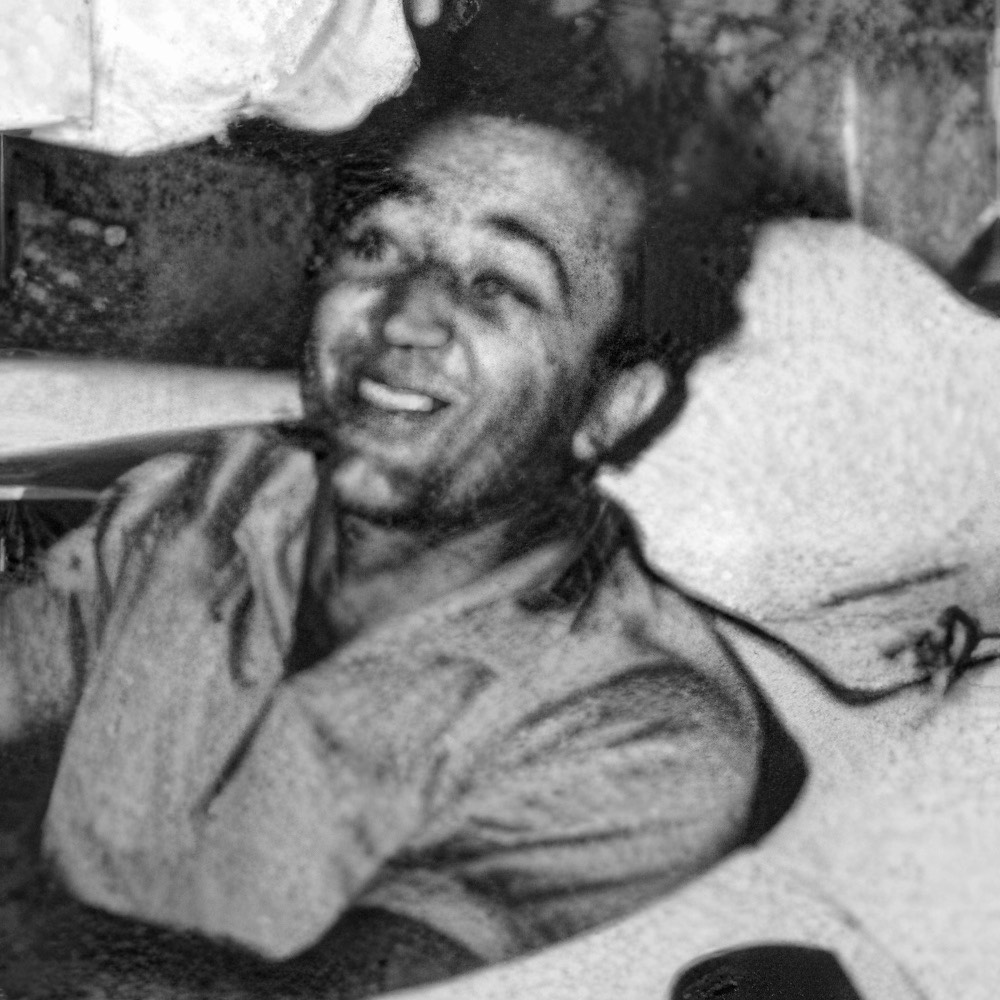
Piero Drogo
Career Statistics
Biography
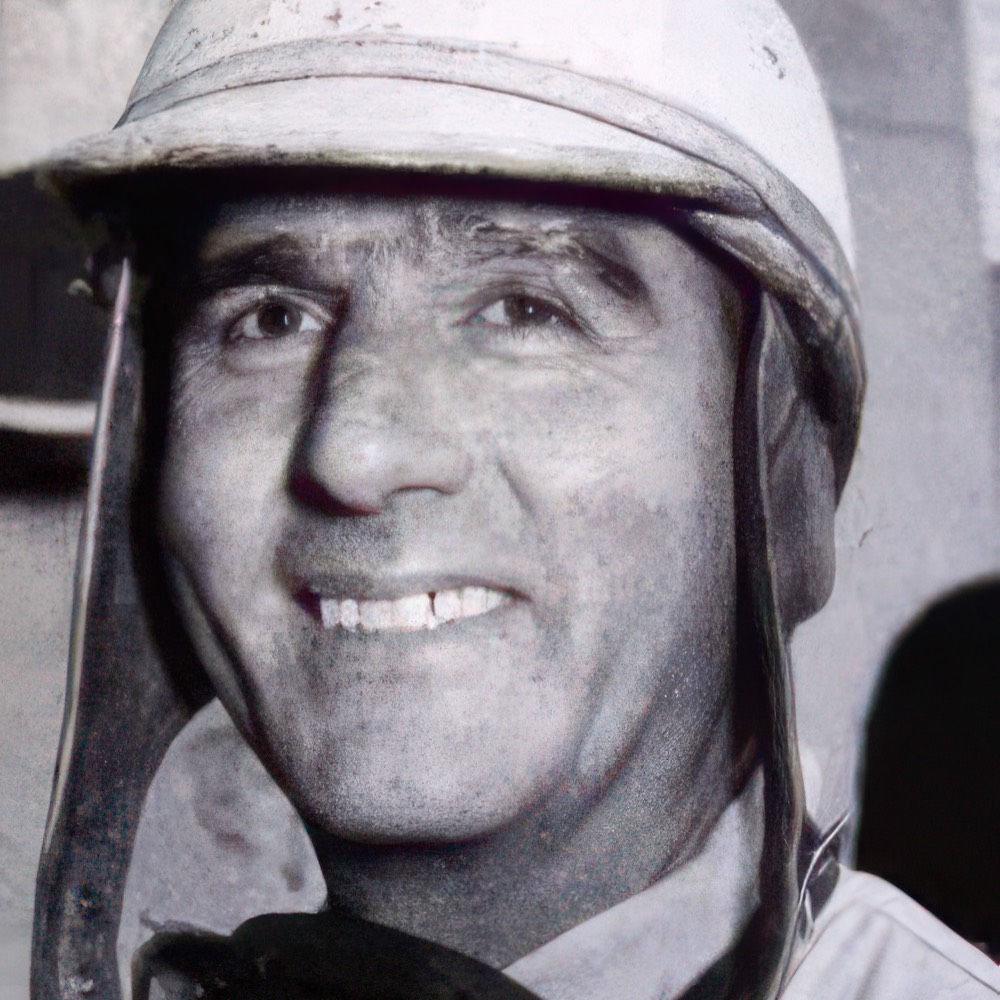
Piero Drogo (8 August 1926 - 28 April 1973): Italian racing driver and coachbuilder from Vignale Monferrato, Alessandria who participated in one Formula One World Championship Grand Prix, finishing eighth at the 1960 Italian Grand Prix, but who achieved far greater significance as co-owner of Carrozzeria Sports Cars (CSC), the Italian coachbuilding firm that created custom bodywork for Ferrari, Maserati, and other prestigious marques including the famous "Breadvan" Ferrari 250 GT SWB. Born in Vignale Monferrato in Piedmont on 8 August 1926, Drogo and his family emigrated to Venezuela after World War II, where young Piero began his racing career competing in sports cars. The first recorded race result for Drogo is a first-place finish in the 1956 Premio Nacional Ciudad de Maracay in Venezuela, demonstrating his natural talent.
In 1958, Drogo returned to Europe to compete at the 24 Hours of Le Mans and decided to remain, settling near Modena, the heart of Italian motorsport and exotic car manufacturing. He participated in one Formula One World Championship Grand Prix, making his debut at the 1960 Italian Grand Prix at Monza on 4 September 1960, driving a Cooper-Climax. Drogo qualified toward the back of the grid in 22nd position but drove a solid race to finish eighth, completing 48 of 50 laps, three laps behind race winner Phil Hill. While eighth place scored no championship points (only the top six scored in 1960), it represented a creditable performance for a privateer.
This would be Drogo's only Formula One World Championship appearance, though he continued competing in non-championship races. In 1960, the same year as his Formula One debut, Drogo entered into a business partnership in the carrozzeria "Marchesini & Cavalieri S.d.f" alongside Lino Marchesini and Celso Cavalieri, which became commonly known as Carrozzeria Sports Cars or CSC. Importantly, Drogo's role was primarily in managing business operations including sales, public relations, and administration—he did not practice the craft of coachbuilding nor was he an automobile designer, but rather served as the business face of the operation.
CSC became renowned for creating custom bodywork for high-performance sports and racing cars, with clients including Scuderia Ferrari, Giotto Bizzarrini, Iso, Scuderia Serenissima, ASA, NART (North American Racing Team), Ecurie Francorchamps, and others. The firm's most famous creation was the Ferrari 250 GT SWB "Breadvan," a bizarre but aerodynamic racing special built in 1962 for Count Giovanni Volpi's Scuderia Serenissima. This car featured a distinctive Kamm-tail rear end that earned it the "Breadvan" nickname and became one of motorsport's most iconic and unusual creations. CSC created numerous other special-bodied Ferraris, Maseratis, and other Italian exotics throughout the 1960s, establishing a reputation for innovative aerodynamic solutions and lightweight construction techniques.
However, financial difficulties plagued the operation, and CSC declared bankruptcy on 31 December 1971, ending the coachbuilding business after eleven years. On 28 April 1973, Piero Drogo was killed in an automobile accident at age 46 near Bologna, Italy. He crashed into an unlit lorry that had broken down inside a tunnel, the collision killing him instantly. The tragic irony of a racing driver and automotive professional being killed in a road accident rather than on the track was not lost on those who mourned him.
Drogo was buried in Italy, remembered by the coachbuilding and motorsport communities for his business acumen and the remarkable machines CSC had produced during its brief existence. Known for his eighth-place finish at the 1960 Italian Grand Prix, for co-owning Carrozzeria Sports Cars which created the legendary Ferrari "Breadvan" and numerous other custom-bodied racing cars, and for his death at age 46 when he crashed into an unlit broken-down truck in a tunnel, Piero Drogo's legacy rests more in coachbuilding than racing—his business skills helped create some of the 1960s' most distinctive and aerodynamically innovative racing cars, and the "Breadvan" remains one of motorsport's most recognizable and beloved oddities.