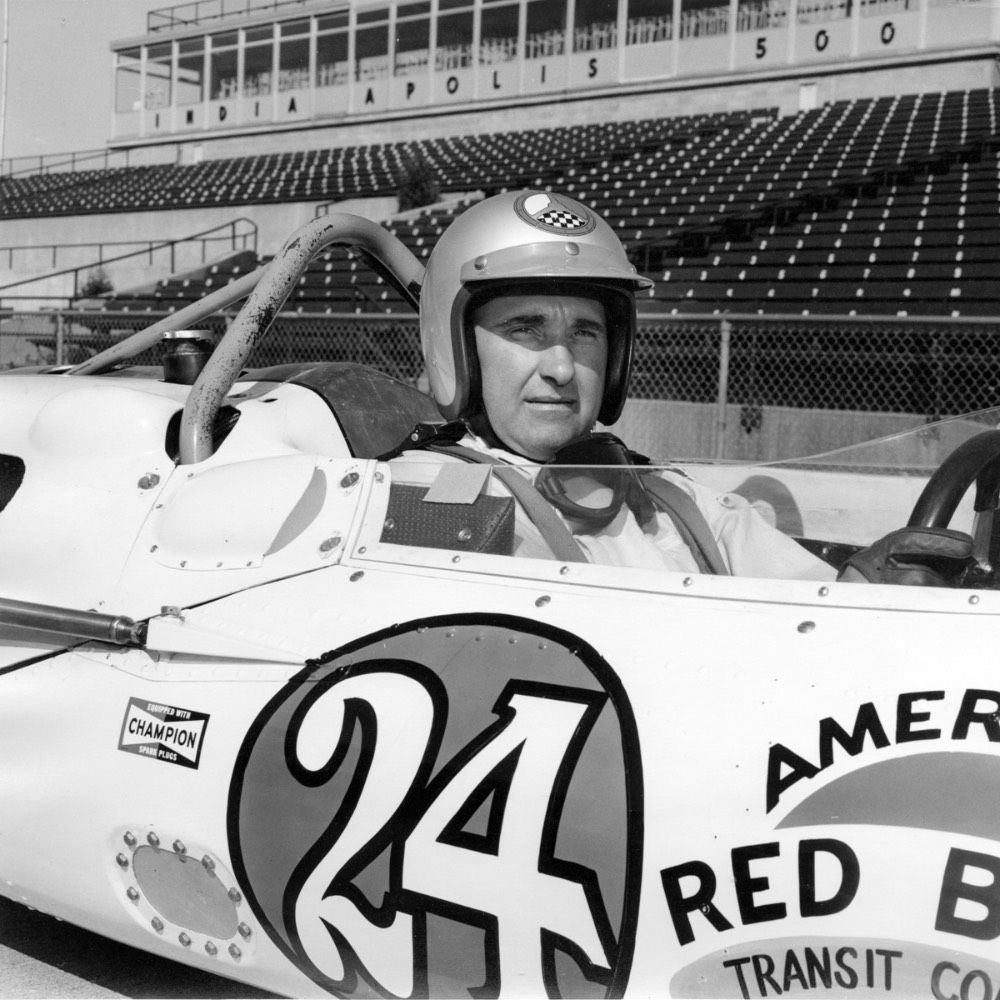
Walt Hansgen
Career Statistics
Biography
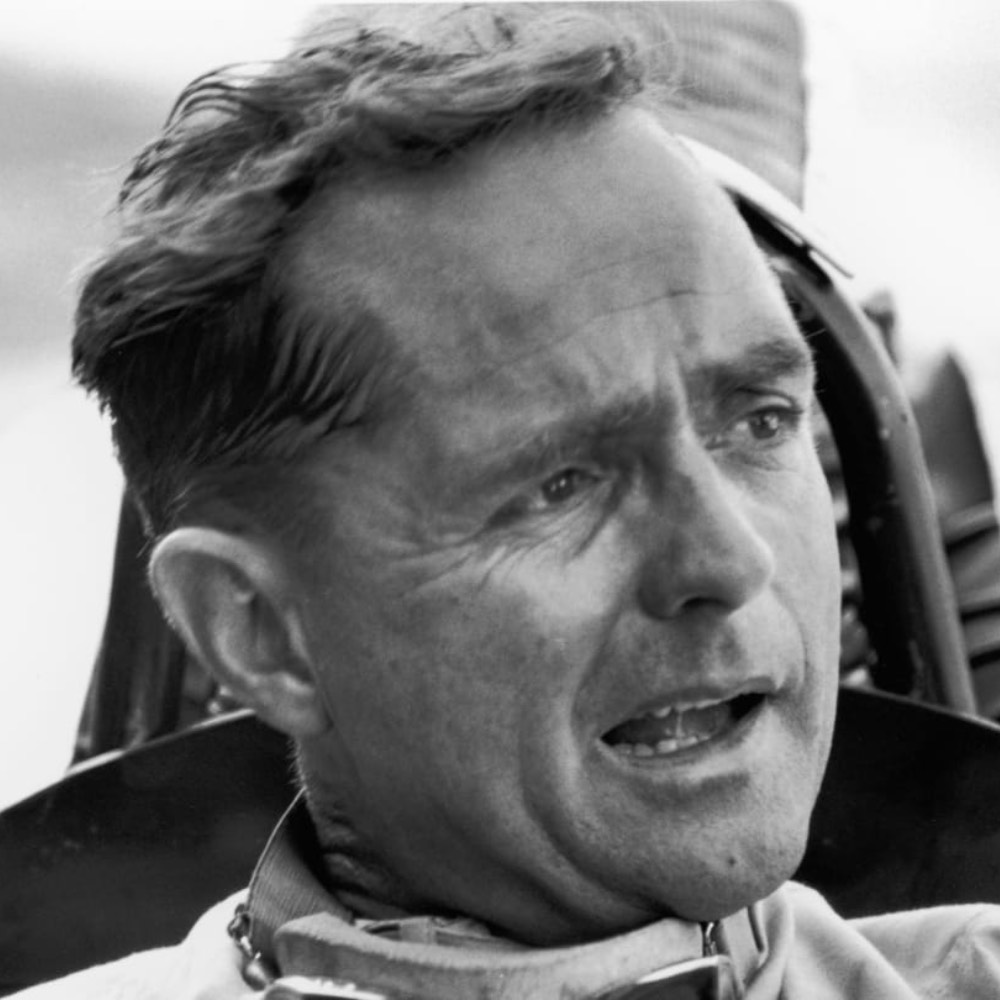
Walter Edwin "Walt" Hansgen (28 October 1919 - 7 April 1966) was an American racing driver who competed in Formula One and achieved significant success in sports car racing during the 1950s and 1960s. Born in Westfield, New Jersey, Hansgen made two Formula One World Championship starts, both at the United States Grand Prix (1961 and 1964), with a best finish of third place in 1964 driving a Lotus 33. That podium finish represented the highlight of his limited Formula One career, though he showed promise that might have led to more opportunities had his career not been tragically cut short. Hansgen was far more successful and active in North American sports car racing, where he became one of the leading drivers of his era.
He won the SCCA National Championship multiple times and achieved numerous victories in SCCA and professional sports car races throughout the late 1950s and early 1960s. Driving for Briggs Cunningham's team, Hansgen competed at Le Mans and other international endurance races, racing Jaguars, Maseratis, and other sports cars. He won the 12 Hours of Sebring in 1966, just weeks before his death, sharing a Ford GT40 Mk II with Ronnie Bucknum. Hansgen was known for his smooth driving style, technical knowledge, and consistent performance.
He tested extensively for various manufacturers and teams, contributing to vehicle development programs. Tragically, Hansgen suffered fatal injuries during testing at Le Mans on April 7, 1966, when his Ford GT40 Mk II crashed at the Dunlop Curve. He died from his injuries, becoming one of several drivers killed during the dangerous 1966 season. At the time of his death, Hansgen was 46 years old and at the peak of his abilities, having just won at Sebring.
His loss was deeply felt in American motorsport, where he was regarded as one of the country's finest road racing drivers and a pioneer of American success in international sports car competition.