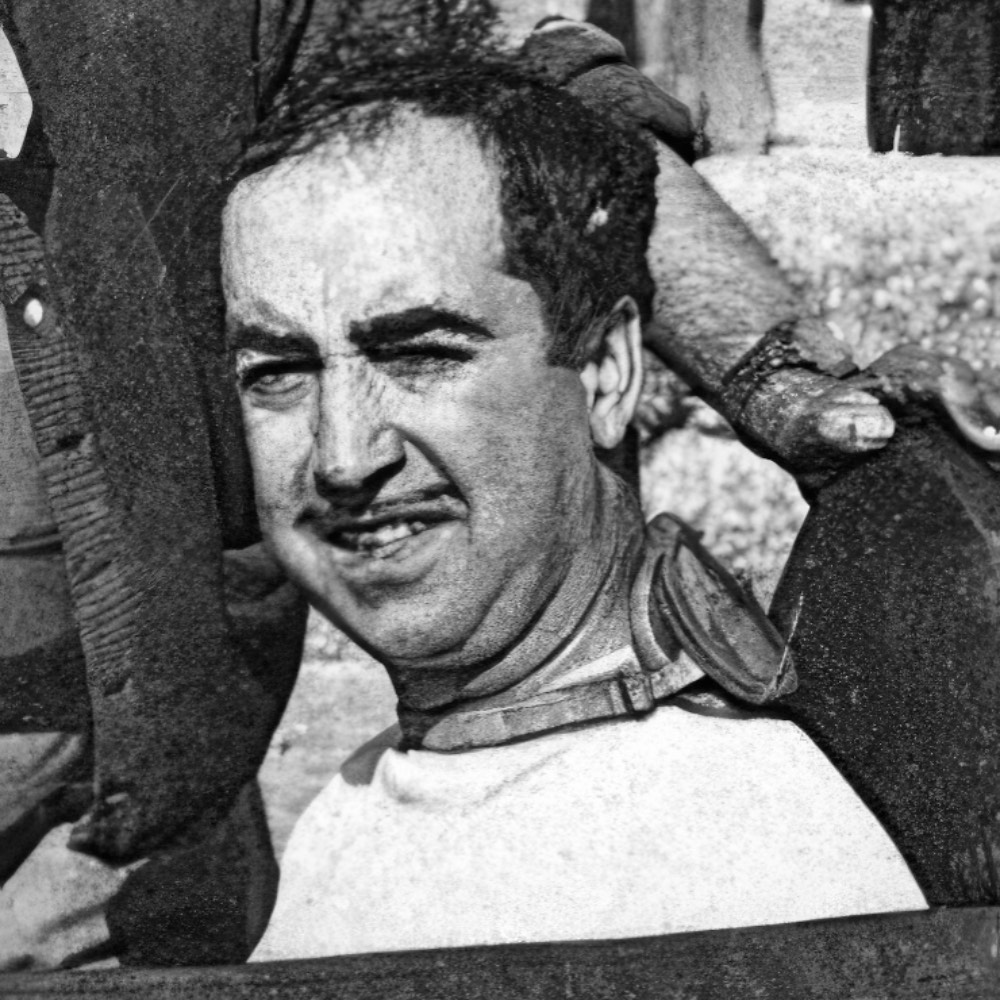
Antonio Creus
Career Statistics
Biography
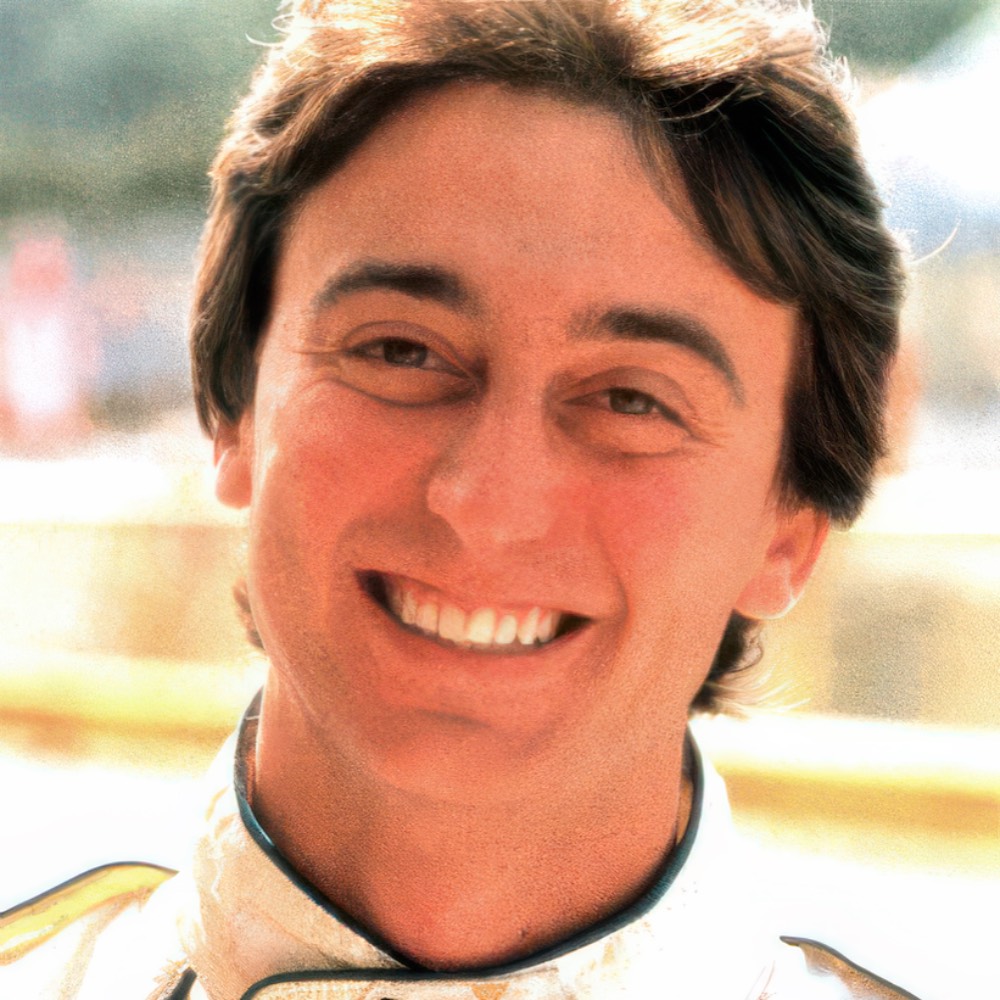
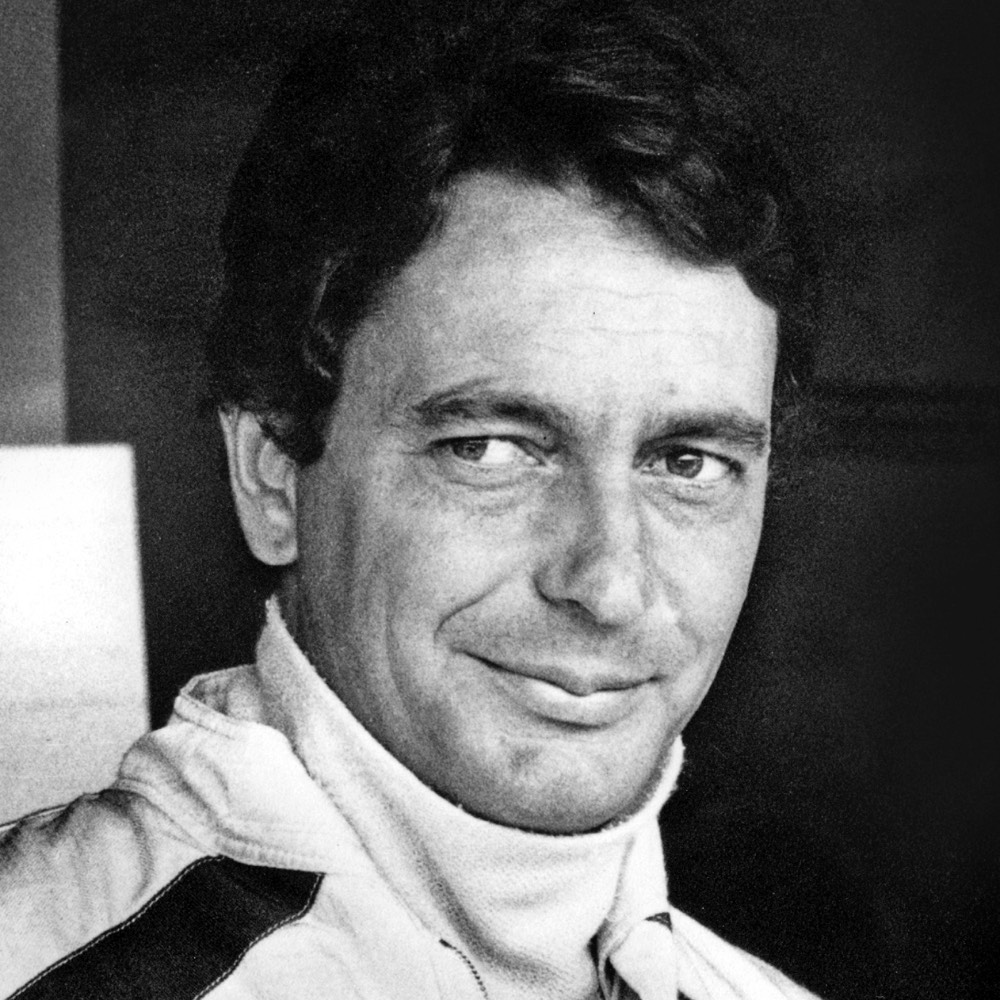
Antonio Creus i Rubín de Celis (28 October 1924 - 19 February 1996) was a Spanish racing driver and motorcycle racer who competed in one Formula One World Championship Grand Prix—the 1960 Argentine Grand Prix—retiring from the race after suffering from exhaust fume asphyxiation, before deciding that Formula One was too dangerous and returning to Spain where he continued competing in sports car racing, hill climbs, and rallies while also working in race preparation, representing an era when gentleman racers from continental Europe would make occasional forays into Formula One without committing to full-season campaigns. Born in Madrid, Spain, on 28 October 1924, Creus grew up during Spain's turbulent pre-Civil War and Civil War years, and after World War II he became involved in motorsport, initially as an international motorcycle racer where he competed in various European events and developed the racing skills and mechanical understanding that would later translate to four-wheeled competition.
During the mid-1950s, Creus transitioned from motorcycles to sports car racing, and he became best known for driving three different Pegaso sports cars between 1954 and 1955, as the Pegaso Z-102 was one of Spain's few internationally competitive sports cars during this period, and Creus' performances with Pegaso machinery helped establish Spanish motorsport credibility on the international stage. After his Pegaso campaigns, Creus switched to Ferrari sports cars, racing both a 750 Monza and later a legendary Testarossa, two of the most desirable and successful sports racing cars of the 1950s, and his ability to secure drives with Ferrari demonstrated that he had earned respect within the European sports car racing community.
In 1958, Creus purchased a Maserati 250F, the elegant front-engined Grand Prix car that had been competitive in Formula One during the mid-1950s but was by 1958 becoming obsolete as rear-engined designs from Cooper and others began dominating the sport, and Creus campaigned his 250F in various non-championship races in South America and Europe. The 1960 Argentine Grand Prix at Buenos Aires on 7 February 1960 marked Creus' only Formula One World Championship appearance, as he entered his privately owned Maserati 250F in the season-opening race, and he qualified in 22nd position on the grid, a respectable achievement for a privateer driver in aging equipment competing against works teams with more modern machinery.
During the Argentine Grand Prix race, Creus ran in the midfield for the opening laps, but the combination of extreme heat, high cockpit temperatures, and exhaust fumes that accumulated in the Maserati's cockpit began affecting him physically, and after 16 laps he was forced to retire from the race suffering from asphyxia caused by the toxic gases and oppressive heat, a common problem for drivers during this era when cockpit ventilation was poor and safety equipment was primitive. Following his difficult experience at the Argentine Grand Prix, Creus raced his Maserati 250F in several more non-championship Formula One races in Argentina, including a sixth-place finish at Córdoba, demonstrating that he possessed genuine speed when not overcome by physical difficulties, but after these events he made the decision to retire from Formula One competition, concluding that the sport was too dangerous and that with a family to consider, he could no longer justify the risks inherent in Grand Prix racing.
After stepping away from Formula One, Creus remained active in Spanish motorsport throughout the 1960s, 1970s, and 1980s, competing in sports car races, hill climbs, and rallies across Spain and occasionally in other European countries, and he also became involved in race preparation, using his mechanical knowledge to prepare cars for other drivers and contributing to the development of Spanish motorsport infrastructure. Throughout his post-Formula One career, Creus remained a respected figure in Spanish motorsport circles, known for his earlier international exploits with Pegaso and Ferrari sports cars and for his brief Formula One appearance, and he continued attending racing events and maintaining connections with the Spanish racing community.
Antonio Creus died in his native Madrid on 19 February 1996 at age 71, passing away more than three decades after his single Formula One appearance, and while his name is not widely remembered outside Spain, he represents an important generation of Spanish racing drivers who competed internationally during the 1950s and 1960s when Spanish motorsport was far less developed than in countries like Italy, Britain, and Germany, and who helped establish the foundation for later Spanish Formula One success with drivers like Fernando Alonso, Carlos Sainz Jr., and others. Creus' legacy in Formula One is minimal—one World Championship start, one retirement, zero points scored—but his broader motorsport career spanning motorcycles, Pegaso sports cars, Ferrari sports cars, Maserati Grand Prix cars, and decades of hill climbing and rallying demonstrated a genuine passion for racing and a versatility that characterized the gentleman racers of his era, drivers who competed for love of the sport rather than professional ambition and who enriched motorsport culture even if their names are not as widely celebrated as those of World Champions and race winners.