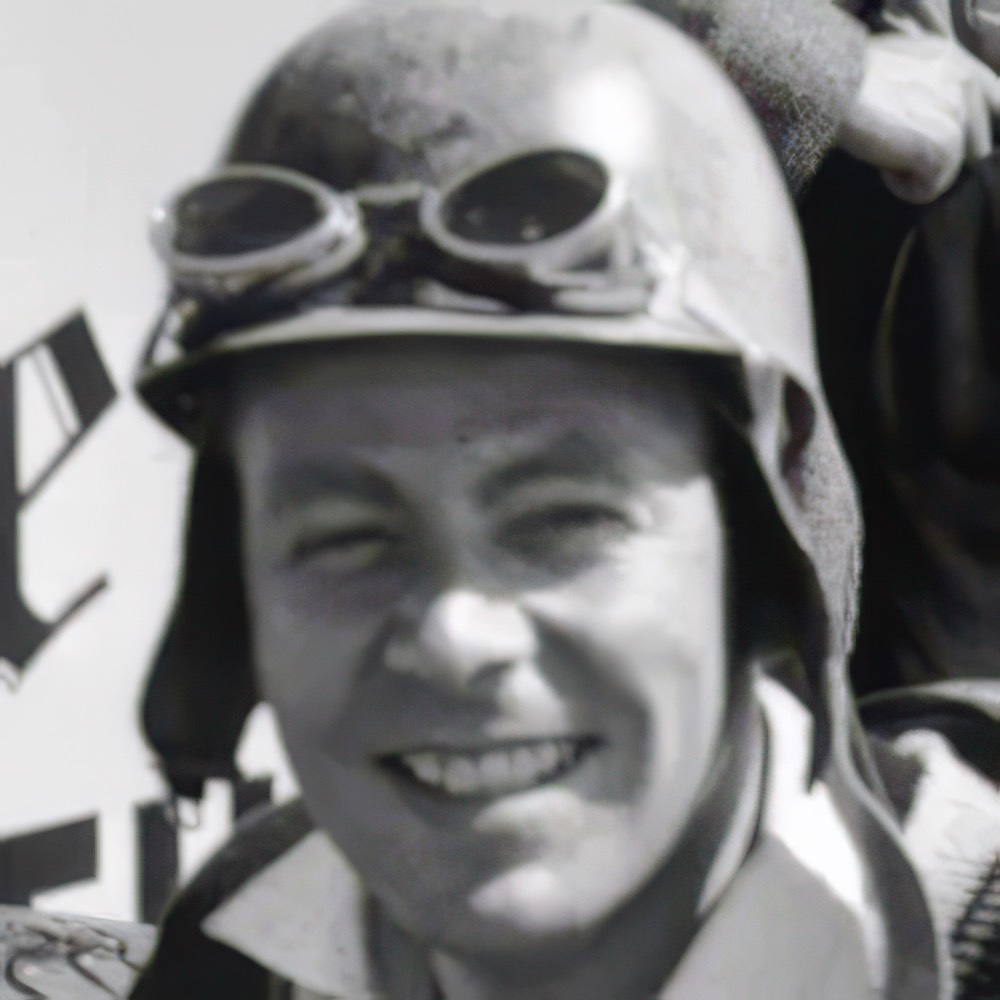
Johnny Claes
Career Statistics
Biography
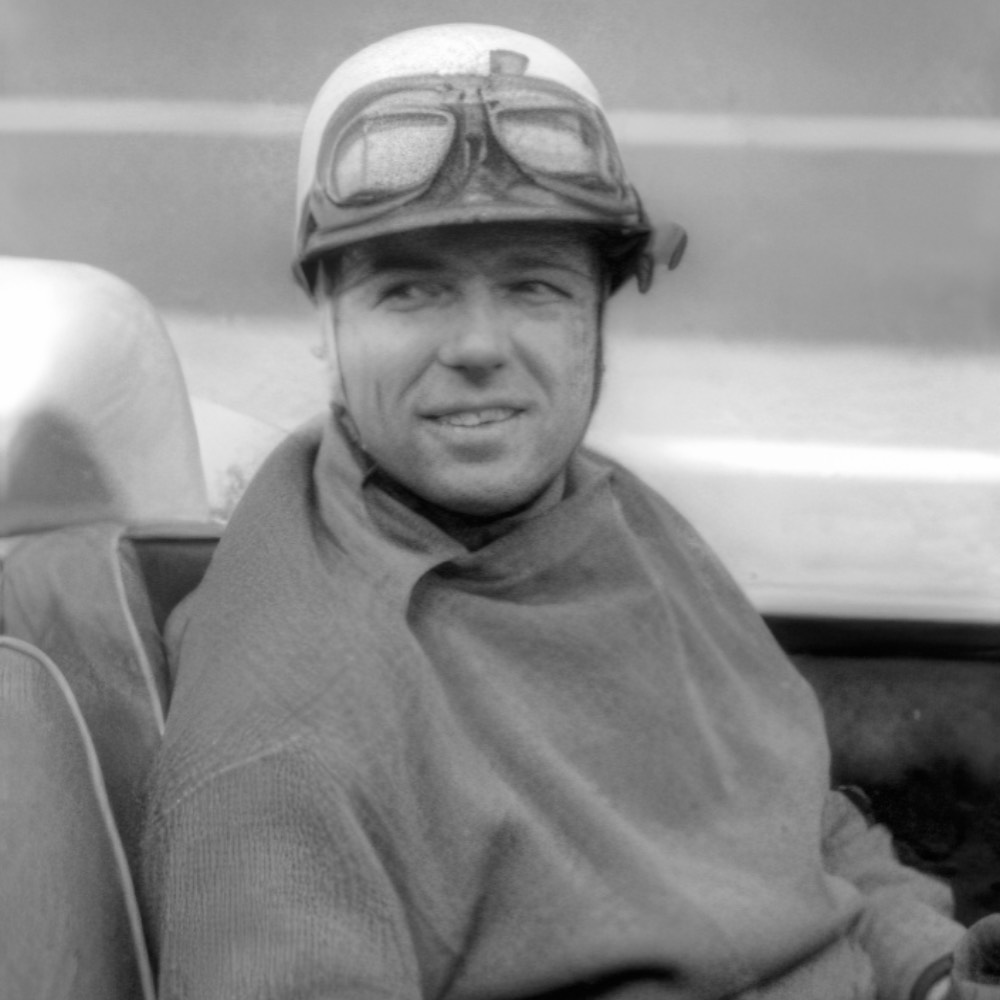
Octave John 'Johnny' Claes (11 August 1916 - 3 February 1956) was a Belgian racing driver of Anglo-Belgian heritage who competed in 23 Formula One World Championship Grands Prix between 1950 and 1955, never scoring a World Championship point but earning distinction as one of the 21 drivers who started the inaugural World Championship race at the 1950 British Grand Prix at Silverstone and as the first Belgian driver to compete in the Formula One World Championship, while also enjoying success in sports car racing and leading a remarkable parallel career as a successful jazz trumpeter and bandleader in Britain. Born in London to a wealthy Belgian father who had fled to Britain during World War I and a Scottish mother from an affluent family, Claes grew up in privileged circumstances that provided both the financial resources and international connections that would later enable his racing career, and his bicultural Anglo-Belgian background meant he moved comfortably between British and Continental European society throughout his life.
Before becoming known as a racing driver, Claes achieved considerable success as a jazz musician, playing trumpet and leading his own band in Britain during the 1940s, demonstrating artistic talents that made him unique among racing drivers of his era and establishing a public profile beyond motorsport that few of his contemporaries could match. Claes' first contact with Grand Prix racing came at the 1947 French Grand Prix, where he attended as an interpreter for British drivers, using his linguistic abilities to help English-speaking competitors navigate the French racing scene, and this experience introduced him to the world of international motorsport that would soon become his passion. He made his racing debut in 1948, driving his own Talbot-Lago under the Ecurie Belge (Belgian Racing Team) banner, and while results were modest, he demonstrated enough talent and commitment to continue his racing career as Formula One was being established as the World Championship.
At the 1950 British Grand Prix at Silverstone on 13 May 1950, Claes was one of 21 drivers who started the very first Formula One World Championship race, making him part of motorsport history as the sport entered its modern era, and he raced under the Belgian flag, becoming the first Belgian driver to compete in a World Championship Grand Prix. Throughout the 1950 season, Claes demonstrated remarkable commitment to the new championship, and alongside Giuseppe Farina, Juan Manuel Fangio, Luigi Fagioli, Louis Rosier, and Yves Giraud-Cabantous, he was one of only six drivers to compete in all six European rounds of the inaugural championship, showing dedication even though his Talbot-Lago was outclassed by the dominant Alfa Romeo team.
Despite his consistent participation, Claes never scored a World Championship point during his Formula One career, as the Talbot-Lago and later Gordini and Connaught chassis he drove simply lacked the speed to compete with the Alfa Romeos, Ferraris, and Maseratis at the front of the field, though he finished numerous races in the points-paying positions during non-championship Grands Prix. In 1950, Claes achieved his first significant victory at the Grand Prix des Frontières held at the Chimay circuit in Belgium, a non-championship race that nevertheless brought him considerable satisfaction and recognition in his homeland, demonstrating that he possessed genuine racecraft when driving competitive machinery.
In 1952, Claes exchanged his outdated Talbot for a Gordini, and later campaigned a Connaught, always racing in the distinctive Ecurie Belge colors and representing Belgian motorsport even as he struggled with uncompetitive equipment throughout the early 1950s. While his Formula One results were disappointing, Claes enjoyed considerably more success in sports car racing and rallying, where his smooth driving style and mechanical sympathy served him well in endurance events that rewarded consistency over raw speed. In 1953, Claes achieved one of his greatest motorsport triumphs by winning the grueling Liège-Rome-Liège Rally, one of the most demanding events in motorsport, and he did so in extraordinary circumstances: his co-driver fell ill during the event, forcing Claes to drive the car single-handedly for 52 hours, navigating mountain roads, managing fatigue, and maintaining concentration across more than two thousand kilometers, a feat of endurance and determination that earned him tremendous respect throughout the motorsport community.
At the 1955 24 Hours of Le Mans, Claes achieved his best result at the legendary endurance race when he finished fourth driving an Ecurie Belge Jaguar D-Type alongside Jacques Swaters, demonstrating that he possessed the consistency and mechanical sympathy required for success in sports car racing even if outright speed eluded him in single-seaters. However, by 1955 Claes' health was deteriorating significantly as he had contracted tuberculosis, the deadly respiratory disease that claimed millions of lives before effective antibiotic treatments became widely available, and the physical demands of racing became increasingly difficult to manage as the disease progressed. His final competitive event was the 1955 Liège-Rome-Liège Rally, where he finished third alongside a young co-driver named Lucien Bianchi (who would later compete in Formula One himself), and after this event Claes made occasional racing appearances but his participation became increasingly sporadic as tuberculosis ravaged his body.
Despite his declining health, Claes continued entering occasional events until the end of 1955, demonstrating the passionate commitment to motorsport that had characterized his entire career, but by early 1956 it was clear that the disease had progressed beyond treatment. Johnny Claes died of tuberculosis in Brussels on 3 February 1956 at age 39, his life cut short by disease rather than racing accident, passing away less than six years after he had been part of the historic grid for the first-ever World Championship Grand Prix. His death was mourned throughout Belgian motorsport and the international racing community, as Claes had been popular among fellow competitors for his gentlemanly conduct, linguistic abilities, and jazz musicianship that made him a unique and cultured presence in the paddock.
Johnny Claes' legacy in Formula One is that of a pioneer—one of the original 21 drivers who started the championship's inaugural race, the first Belgian to compete in the World Championship, and a consistent participant during the championship's formative years even though success eluded him—while his broader motorsport career demonstrated versatility and endurance, particularly his remarkable solo victory in the 1953 Liège-Rome-Liège Rally that remains one of the great individual achievements in rallying history. His parallel career as a jazz musician makes him unique among racing drivers of any era, representing the kind of cultured, multi-talented gentleman racer who was more common in the 1950s than in today's specialized and professionalized Formula One environment, and his story serves as a reminder that Formula One's early years featured diverse personalities whose interests extended far beyond racing and who brought broader cultural sophistication to the sport.