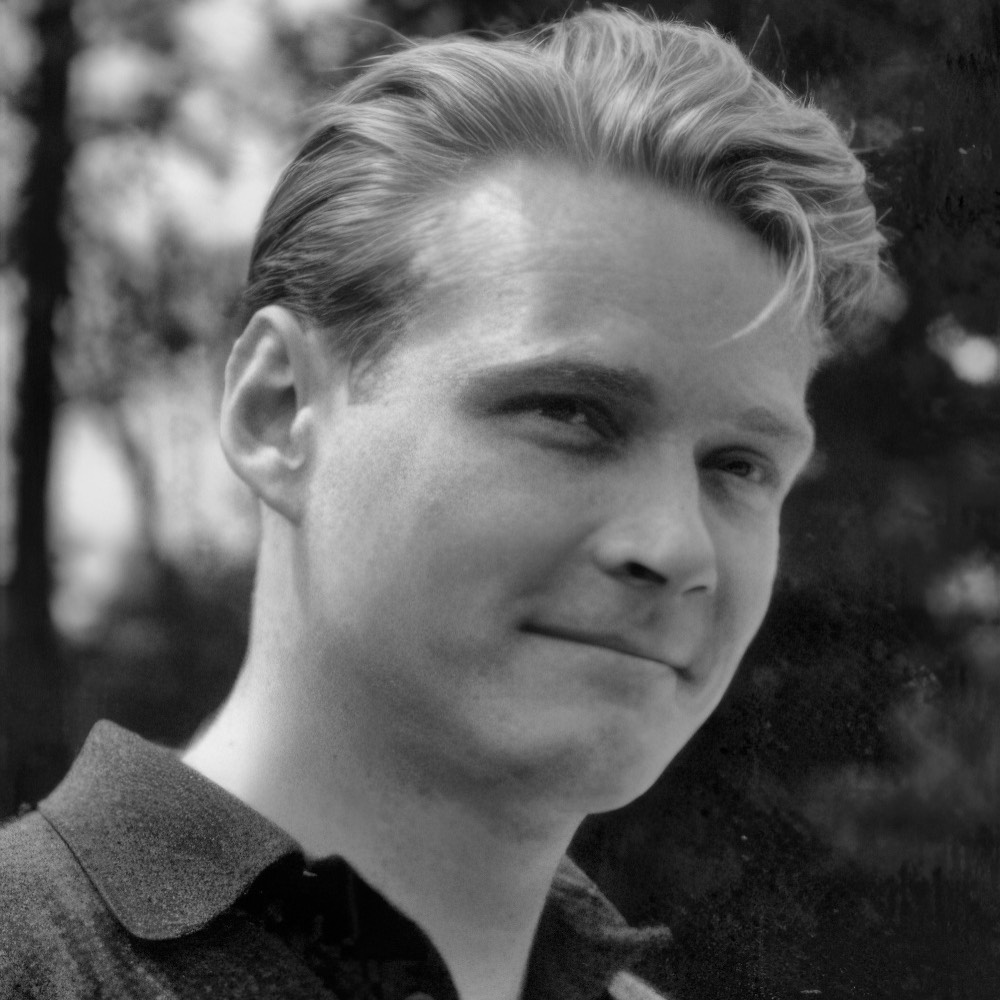
Michael May
Career Statistics
Biography
Michael May (18 August 1934 - Present): Swiss racing driver, engineer, and aerodynamics innovator from Stuttgart, Germany who participated in three Formula One World Championship Grands Prix in 1961, achieving a best finish of 11th at the French Grand Prix. May is better remembered for his pioneering work on aerodynamic wings in 1956, when he and his brother Pierre fitted an adjustable elevated wing above a Porsche 550 Spyder's cockpit—technology banned from racing but vindicated decades later when wings became standard. Born in Stuttgart during Nazi Germany, May emigrated to Switzerland and studied engineering at Zürich Technical University, where he developed expertise in aerodynamics and engine design that would define his career.
His engineering mindset led him to approach racing as a technical challenge rather than simply a sporting competition. In 1956, May and his brother Pierre entered the 1000km Nürburgring in a modified Porsche 550 Spyder equipped with an adjustable elevated wing mounted above the cockpit. The wing generated downforce, enhancing braking and cornering speeds. During qualifying, May lapped the Nürburgring four seconds faster than the factory Porsche 550s—a stunning achievement that demonstrated the wing's effectiveness.
However, Porsche racing director Huschke von Hanstein protested, claiming the wing was dangerous and against regulations. Race officials banned the wing, and May was not allowed to start with it. The decision crushed May's innovative concept, and aerodynamic wings were effectively banned from racing for over a decade. In 1968, wings finally returned to Formula One, and by 1969 they were ubiquitous—vindication of May's vision 13 years earlier.
Before Formula One, May won the inaugural 1959 International Formula Junior championship driving a private Stanguellini, scoring victories at Monaco and Solitude. The championship victory established May as a talented driver with engineering intelligence beyond his years. May's Formula One debut came at the 1961 Monaco Grand Prix on 14 May, driving a Lotus 18 for Wolfgang Seidel's Scuderia Colonia team. He qualified 13th, a respectable grid position, but retired with an oil leak, ending his Monaco race prematurely.
At the 1961 French Grand Prix at Reims, May finished 11th, four laps behind the winner but classified as a finisher—his only Formula One finish. At the 1961 German Grand Prix at the Nürburgring, May suffered a major accident during practice. The crash was serious enough to cause significant injuries and, more importantly, convinced May to end his racing career at age 26. He decided that the risks of racing outweighed the rewards, particularly given his engineering career opportunities.
May's work on direct fuel injection at Daimler-Benz had attracted significant attention, and he specialized in engine design and fuel injection systems. After retiring from racing, May worked with Porsche and Ferrari as a consultant. In 1963-64, he consulted for Ferrari on the successful adoption of Bosch direct fuel injection for their racing engines, contributing to Ferrari's competitiveness during the mid-1960s. May's expertise in fuel injection and engine management systems made him invaluable to manufacturers seeking performance advantages.
Throughout his post-racing career, May continued engineering work related to automotive technology, contributing to advancements in fuel efficiency and engine performance. His pioneering aerodynamic wing from 1956 remains his most famous contribution—proof that he was decades ahead of his time. May lived into his 90s, occasionally giving interviews about his wing concept and his role in pioneering aerodynamics in motorsport. He maintained that had Porsche supported rather than opposed his wing, the team would have dominated the 1956 season and aerodynamic development would have accelerated far earlier.
Known for his 1956 aerodynamic wing innovation that was 13 years ahead of its time, Formula Junior championship victory in 1959, engineering expertise in direct fuel injection, consulting work for Ferrari and Porsche, and retirement from racing at age 26 following a major accident, Michael May represents the engineer-drivers who approached motorsport as a technical challenge. While his three Formula One starts produced minimal results, his aerodynamic wing innovation and fuel injection expertise contributed far more to motorsport than any race victories could have.