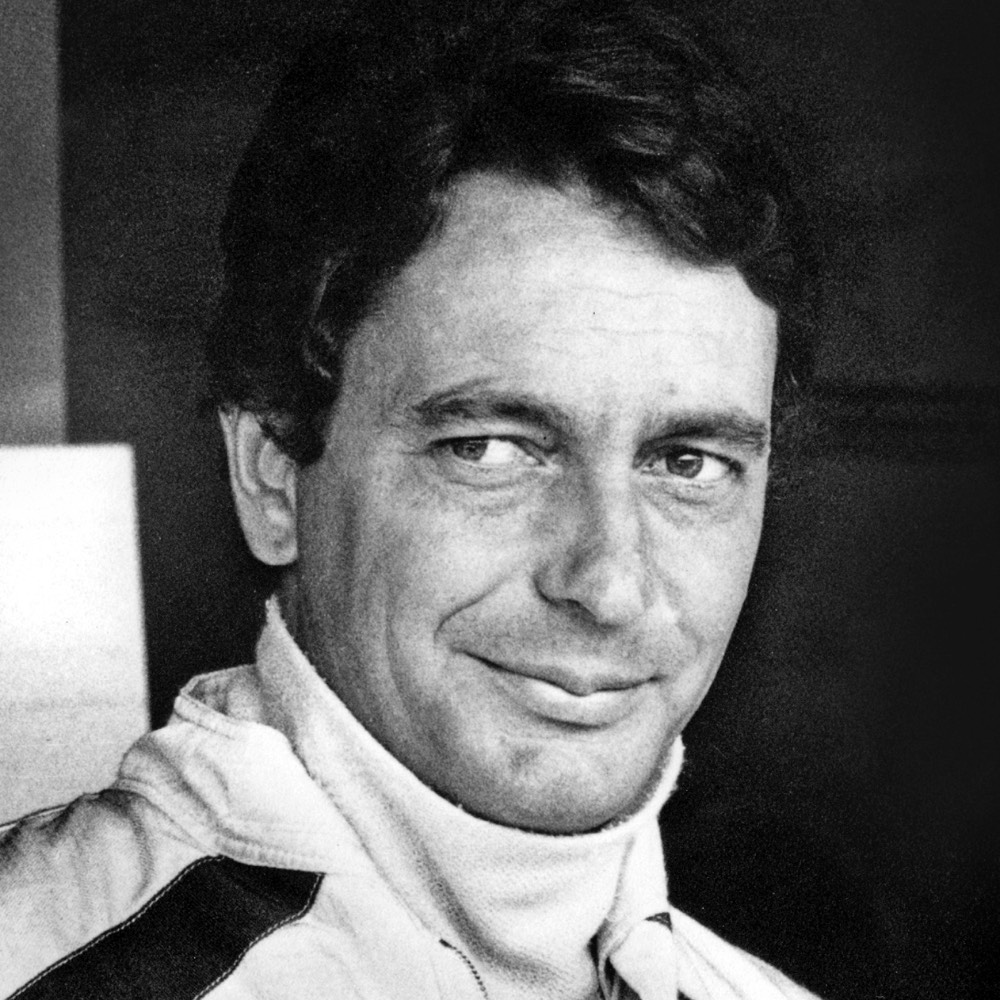
Alex Soler-Roig
Career Statistics
Biography
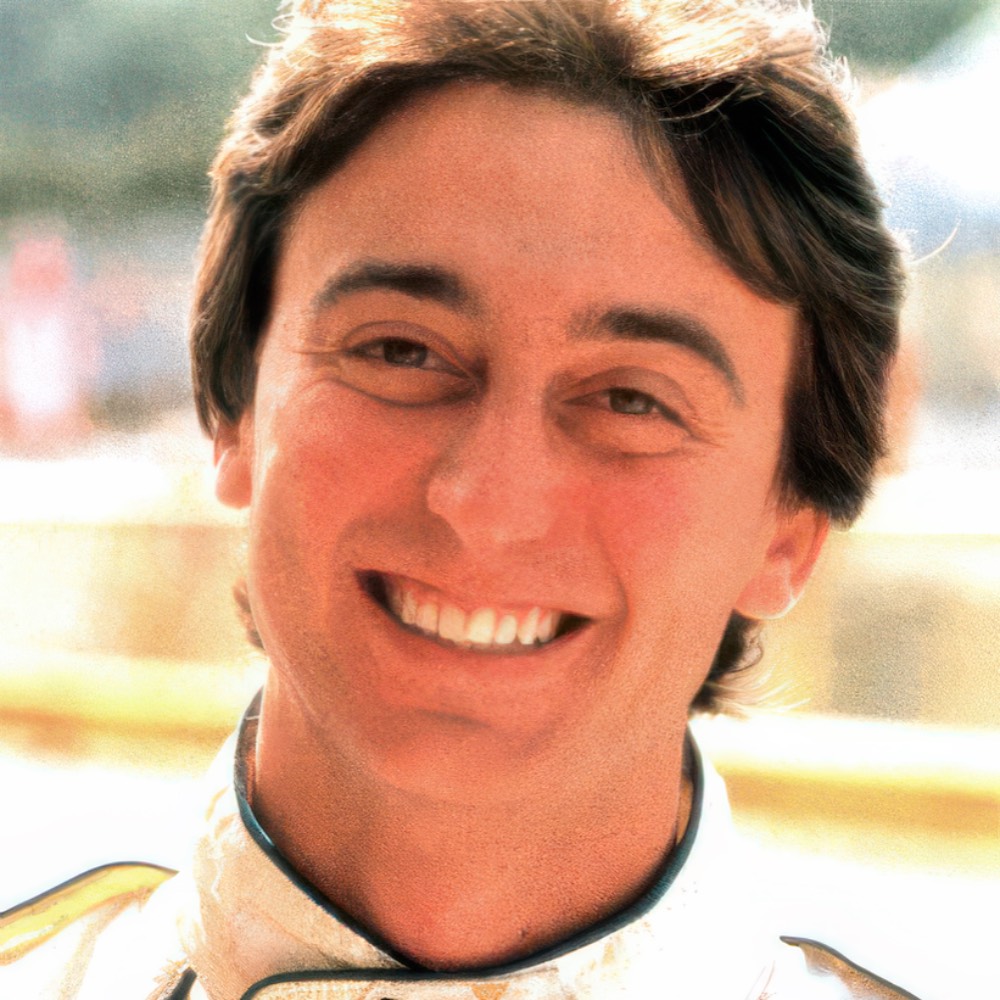
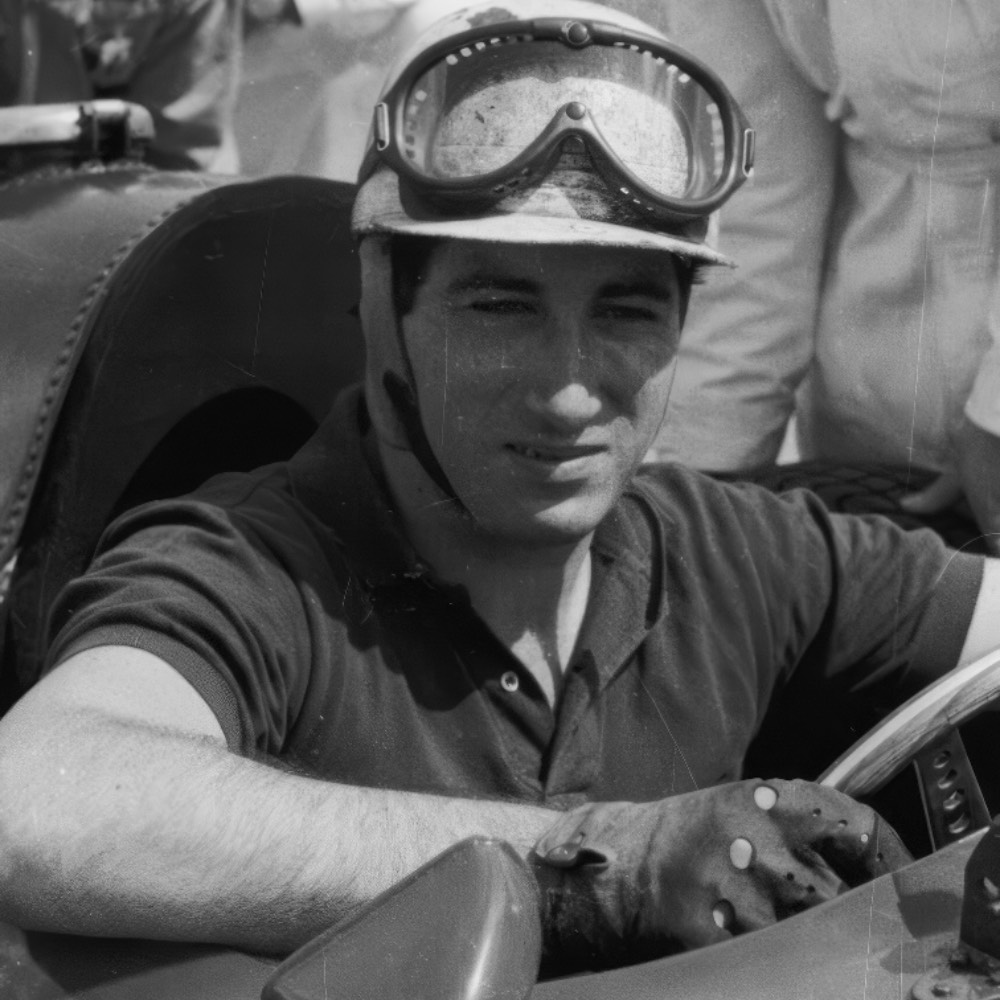
Àlex Soler-Roig i Janer (October 29, 1931 - Present): A Spanish racing driver from Barcelona whose Formula One career was marked by frustrating near-misses and equipment issues, but who found considerably greater success in touring car and endurance racing, becoming one of Spain's most accomplished drivers of the early 1970s. Born on October 29, 1931, in Barcelona, Soler-Roig was the son of a surgeon who was a good friend and occasional doctor to Formula One champion Jochen Rindt. Despite this motorsport connection, Soler-Roig didn't start racing until he was well into his twenties, and he didn't compete abroad until 1968 when he was already in his mid-thirties, making him a late bloomer by racing standards.
His early career involved motorcycles before transitioning to car racing. He participated in rallies driving Fiat and Porsche cars, achieving his first victories in 1958 at the Nuvolari Trophy in Barcelona and the Rally Catalunya. By 1960, he had moved into hill climbing competition and sports car racing, competing mainly in Spain until 1967. His breakthrough came when he progressed to Formula Two in 1967, driving a Lola and demonstrating the speed that would eventually attract Formula One attention.
In endurance racing, Soler-Roig competed at the highest level. In 1968, he raced at the 24 Hours of Le Mans in a Porsche 907/6 Langheck. The following year, he competed in the 24 Hours of Daytona, and in 1969 he finished fourth at the 12 Hours of Sebring in a Porsche 907, establishing himself as a capable endurance driver. Soler-Roig's Formula One career began in frustrating fashion at the 1970 Spanish Grand Prix at Jarama.
Driving a Lotus 49 for his home race, the organizers implemented a controversial decision to limit the race to just 16 starters rather than the full field. Despite lapping only a tenth of a second slower than teammate Mario Andretti, Soler-Roig failed to qualify due to this arbitrary restriction, a devastating disappointment that denied him a home Formula One debut. He eventually made his World Championship debut on April 19, 1970, and participated in ten Grands Prix across three seasons. For 1971, Soler-Roig joined March, successfully qualifying on a regular basis.
However, he became convinced he was receiving inferior equipment compared to his teammates and quit the team mid-season in frustration, a decision that reflected either genuine equipment disparity or the difficulties faced by paying drivers at customer teams. His final Formula One season came in 1972 when he joined the Marlboro BRM team. After experiencing continuing problems with both the car's reliability and team organization, Soler-Roig made the pragmatic decision to abandon Formula One mid-season and focus on the European Touring Car Championship driving for Ford, where he knew he could achieve better results and enjoy his racing more. While Soler-Roig's Formula One career produced ten race entries, six starts, and zero championship points, his achievements in other categories were far more impressive.
He won the Spanish Touring Car Championship in both 1971 and 1972, demonstrating his dominance in domestic competition. In sports car racing, he captured the Spanish national sports car title in 1970. His international touring car success included victories at prestigious events such as the 24 Hours of Spa, the 24 Hours of Paul Ricard, the 4 Hours of Zandvoort, the 4 Hours of Jarama, and the 3 Hours of Montjuïch, establishing him as one of Europe's top touring car drivers. At the end of 1972, having achieved his goals in touring car racing and grown frustrated with Formula One's politics and inequality, Soler-Roig retired from professional racing at age 41.
He initially took over the family private clinic, following his father's medical profession. However, he soon diversified into other ventures, predominantly art collecting with his wife. The couple focused on twentieth-century Spanish art, building a significant collection that inspired their son, Miguel, who became a world-renowned artist. Soler-Roig's post-racing life centered around art, culture, and family rather than motorsport.
As of 2025, Àlex Soler-Roig is in his early nineties and represents one of the last living connections to 1970s Spanish motorsport. His legacy rests not on his frustrating Formula One career but on his multiple Spanish championship titles and his success in European touring car racing. His decision to abandon Formula One to focus on categories where he could compete on equal terms demonstrated wisdom and self-awareness that served him well in his later achievements and successful post-racing career.