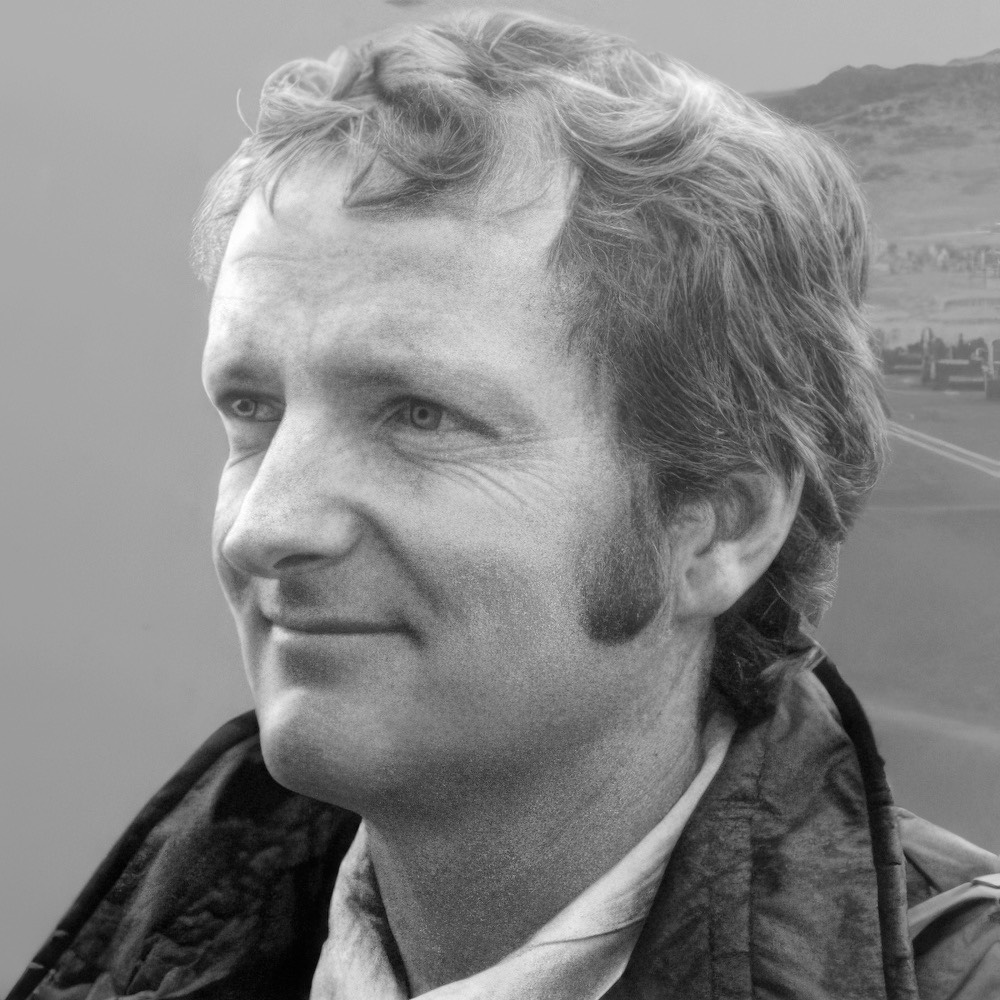
Pete Lovely
Career Statistics
Biography
Gerard Carlton 'Pete' Lovely (11 April 1926 - 15 May 2011): American racing driver from Livingston, Montana who competed in Formula One from 1959 to 1971, participating in eleven World Championship Grands Prix and scoring no championship points, but who achieved far greater success in American sports car racing, winning the first-ever race at Laguna Seca in 1957, finishing on the podium at the 1960 12 Hours of Sebring, and running a successful Volkswagen dealership while racing privateers Lotuses on both sides of the Atlantic. Born on 11 April 1926 in Livingston, Montana, Lovely grew up in America's northwest before his family eventually settled in the Tacoma/Seattle area of Washington state.
He served in the U.S. Army Air Corps during World War II as an aviation mechanic, gaining mechanical knowledge that would serve him throughout his racing and business careers. After the war, Lovely briefly worked for The Boeing Company in Seattle before recognizing a business opportunity in the emerging Volkswagen market. In 1954, Lovely opened 'Pete Lovely Volkswagen,' a Volkswagen dealership in Fife, Washington, which he ran successfully for 34 years.
This dealership provided the financial foundation for his racing career, allowing him to compete as a well-funded privateer rather than relying on professional team drives. The dealership's success meant Lovely could purchase competitive equipment and race on his own terms, and he frequently entered races under the 'Pete Lovely Volkswagen' banner, providing free advertising for his business. Lovely's racing career began in 1955 when he installed a Porsche engine in a Cooper sports car, creating a hybrid he nicknamed the 'Pooper.' He drove this creation to a national championship in the Sports Car Club of America (SCCA), demonstrating both his engineering creativity and driving skill.
On 9 November 1957, Lovely achieved a significant milestone by winning the very first race ever held at Laguna Seca Raceway in California, driving a Ferrari. This historic victory established him as one of America's leading sports car racers, and in 2007, Lovely was honored as a 'Legend of Laguna Seca,' recognizing his connection to the circuit's founding. His greatest sports car achievement came at the 1960 12 Hours of Sebring endurance race in Florida, where Lovely won the S3.0 class and achieved an overall podium finish, driving a Ferrari 250 Testa Rossa.
This result against international competition demonstrated he could compete successfully at the highest level of sports car racing. Lovely's Formula One career began at the 1959 United States Grand Prix at Sebring on 12 December 1959, where he drove a privately-entered car but failed to make a significant impression. Over the next dozen years, Lovely participated sporadically in Formula One World Championship races, typically at the United States Grand Prix and Canadian Grand Prix, always as a privateer rather than a factory team driver. He became best known in Formula One for racing various private Lotus cars in World Championship events, usually entered under the 'Pete Lovely Volkswagen' banner.
His most notable Formula One machine was a unique hybrid: a Lotus 69 Formula Two chassis fitted with a Formula One-specification 3.0-liter Cosworth DFV V8 engine, creating a lightweight F1 car. For several years, Lovely transported this car around Europe and North America on the back of a Volkswagen Type II flatbed truck (free advertising for his dealership), competing in Formula One races across both continents—a remarkable logistical achievement for a privateer. His best Formula One result came at the 1969 Canadian Grand Prix at Mosport where he finished seventh, completing the race but several laps down.
This result represented Lovely's career-best Formula One finish after a decade of trying. Across eleven Formula One World Championship starts from 1959 to 1971, Lovely never scored a championship point, but this statistical failure doesn't capture his significant achievements in American sports car racing or his status as a successful privateer competing internationally while running a business back home. Following his retirement from Formula One in the early 1970s, Lovely continued as an entrant in various forms of racing in the United States throughout the 1980s, supporting other drivers and maintaining his connection to motorsport. He also owned 'Pete Lovely Racing,' a business that specialized in restoring vintage race cars, allowing him to remain involved with historic machinery.
Lovely's racing career spanned an extraordinary 50-plus years, as he continued participating in vintage and historic racing events well into the 2000s, driving classic Ferraris and Lotuses at historic race meetings across America. When Lovely died on 15 May 2011 at age 85 from complications of Alzheimer's disease, he still owned about a dozen historic racing cars stored at his Tacoma home, a collection representing his lifetime passion for motorsport. His death was mourned throughout the American vintage racing community, which remembered him as a gentleman racer who competed for the love of the sport rather than financial gain. Known for winning the first-ever race at Laguna Seca in 1957, for his podium finish at the 1960 Sebring 12 Hours, for racing private Lotus Formula One cars entered under the 'Pete Lovely Volkswagen' banner while transporting them on a VW flatbed truck, for his 34-year successful Volkswagen dealership, and for his 50-plus year racing career spanning from the 1950s through the 2000s in vintage events, Pete Lovely represents the American privateer spirit—successful businessmen who raced for passion, competed internationally with their own equipment, and remained connected to motorsport throughout their lives.