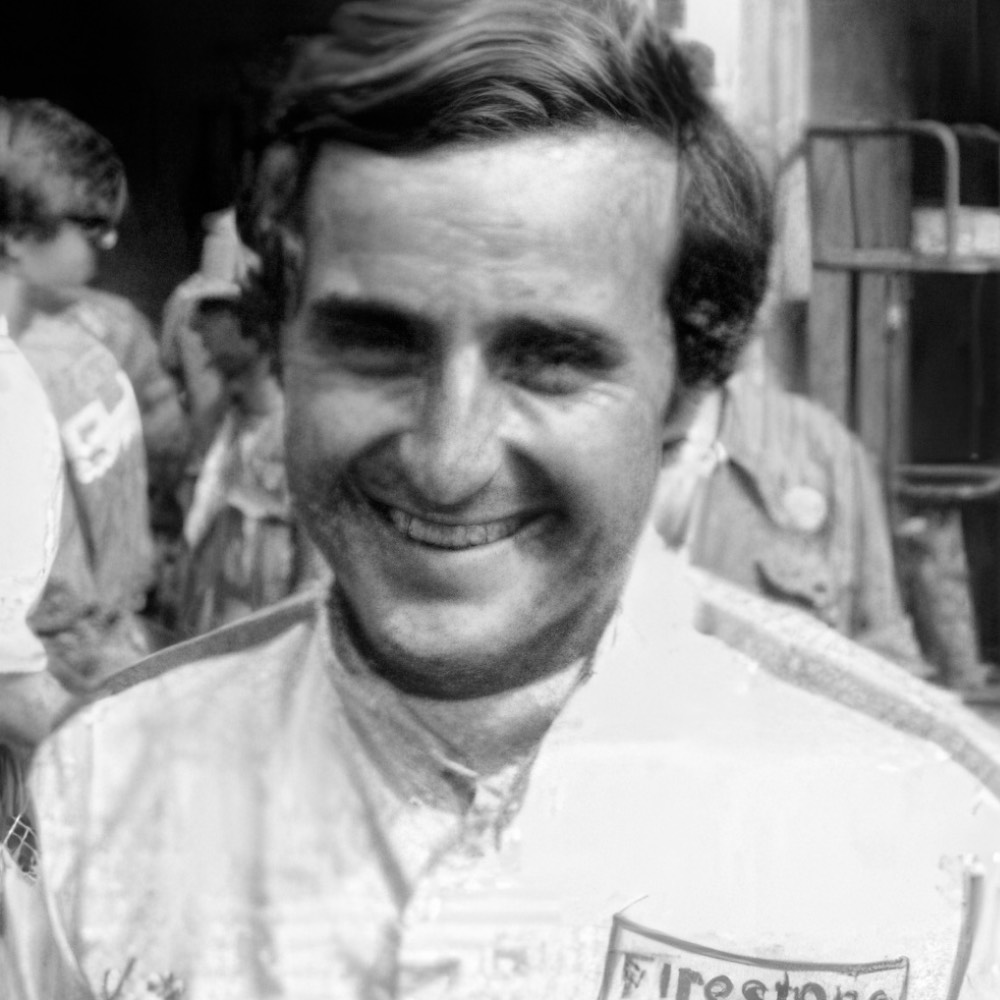
Ignazio Giunti
Career Statistics
Biography
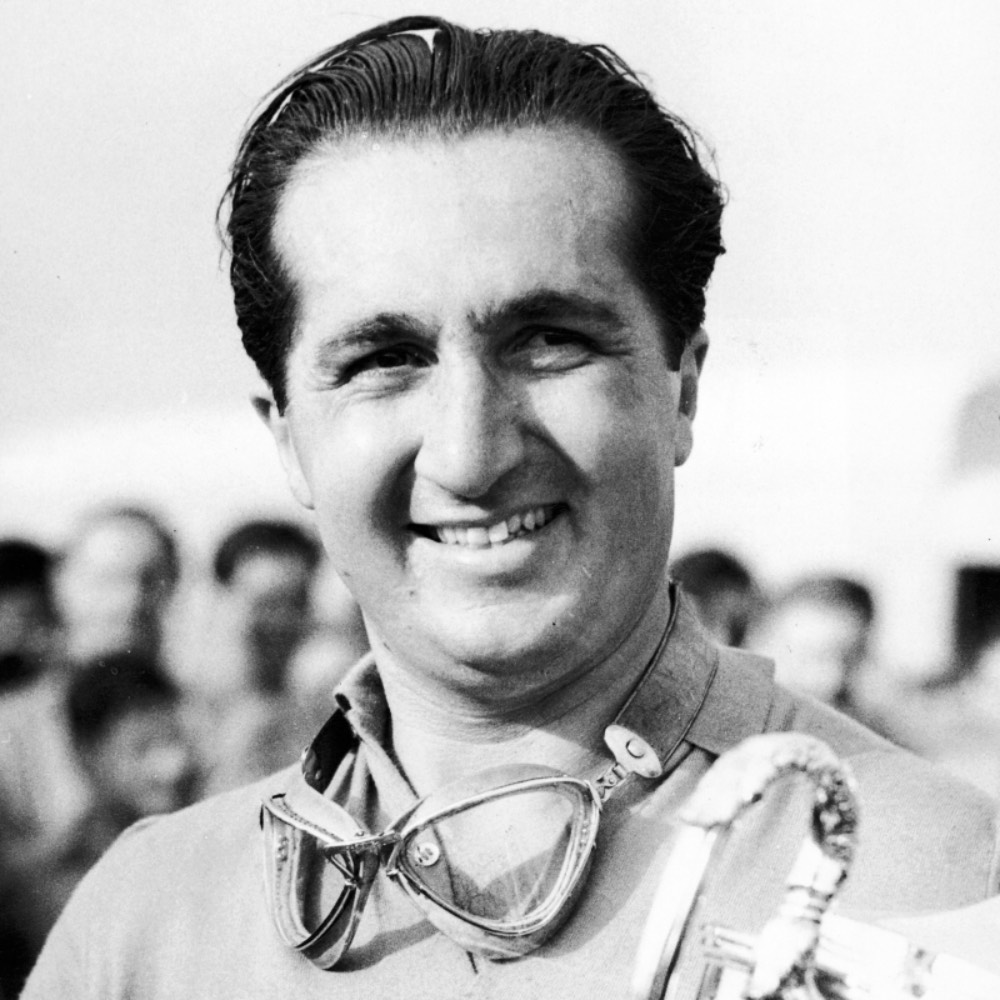
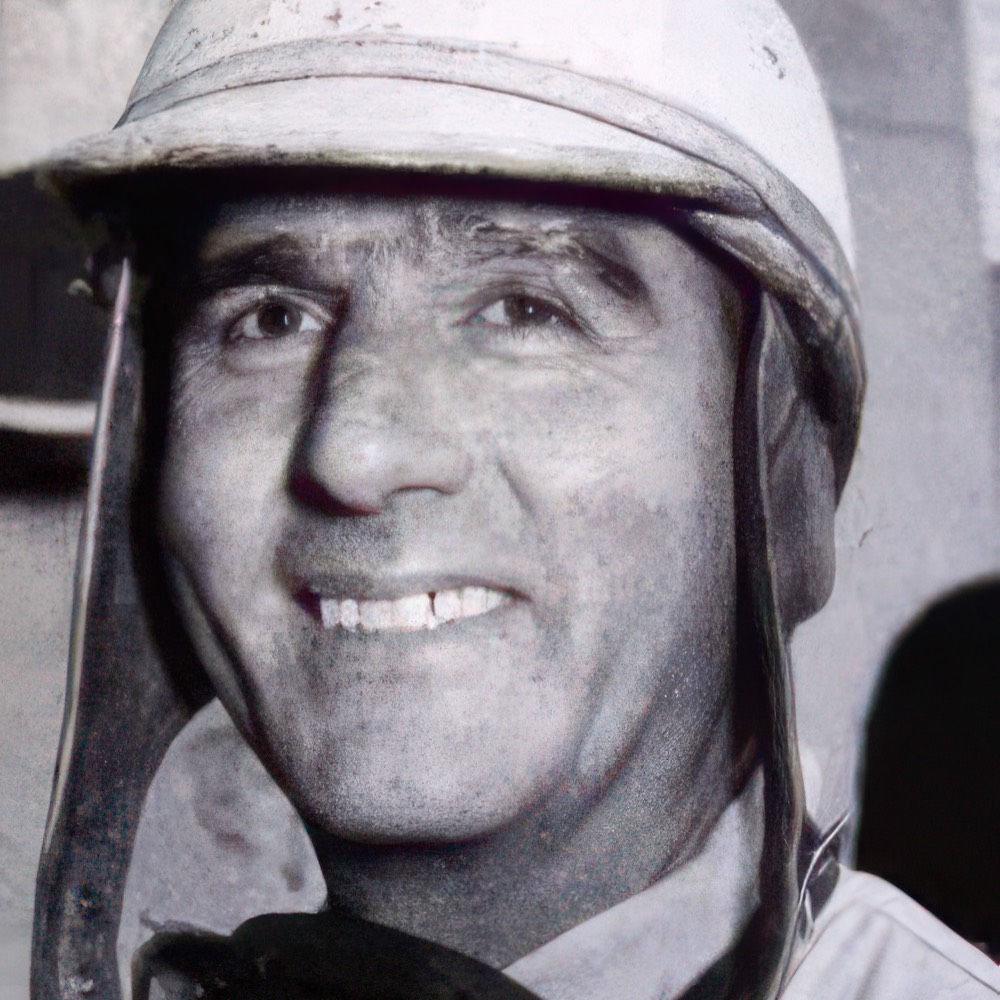
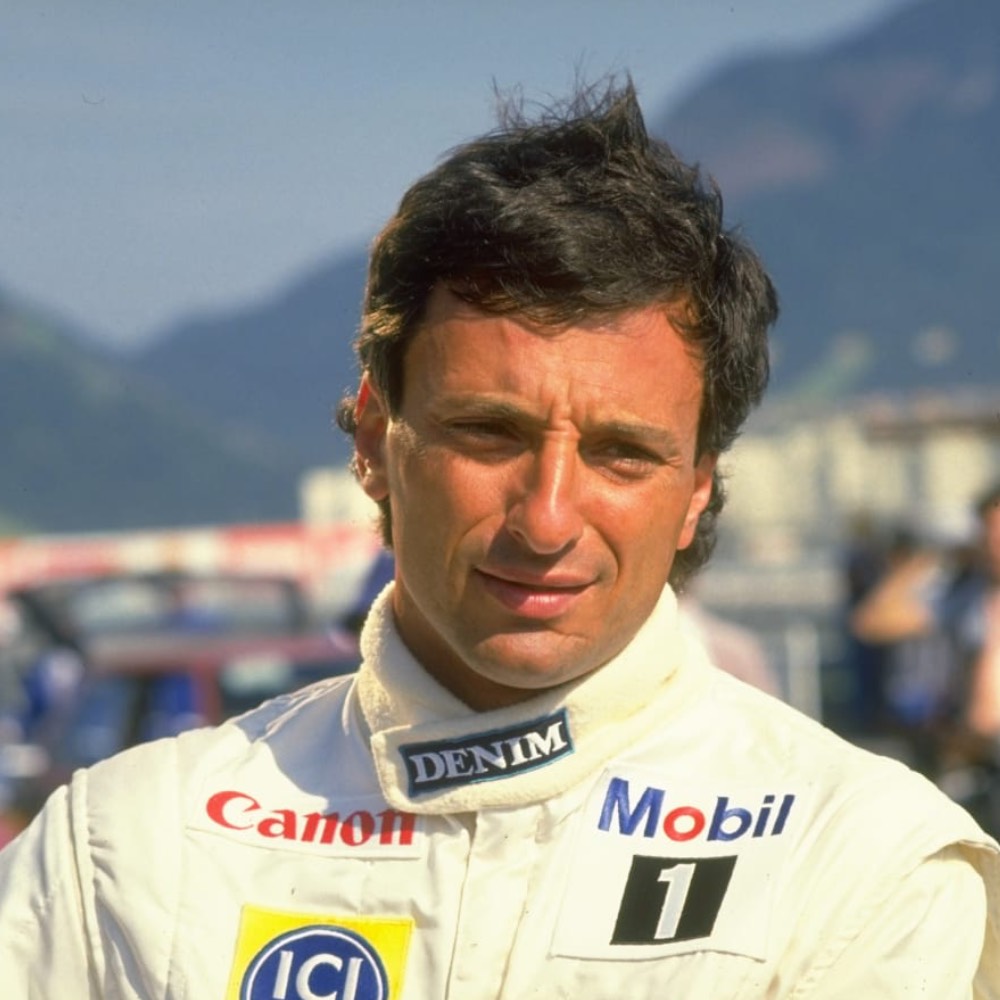
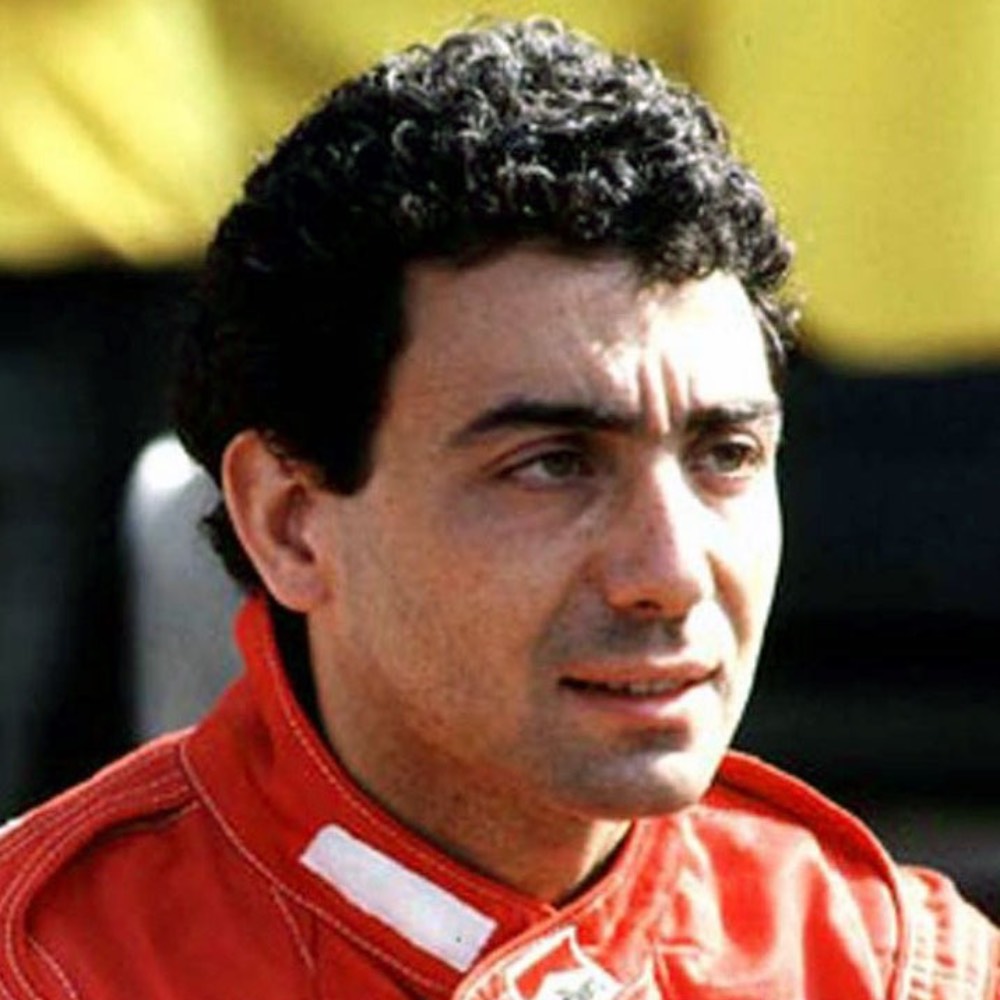
Ignazio Francesco Giunti (30 August 1941 - 10 January 1971) was an Italian racing driver who competed in four Formula One World Championship Grands Prix during the 1970 season, achieving a best finish of fourth place on his debut at the Belgian Grand Prix, before being killed in a tragic and entirely avoidable accident at the 1971 1000km Buenos Aires sports car race when his Ferrari prototype collided with Jean-Pierre Beltoise's Matra that Beltoise was pushing along the track after running out of fuel, an absurd tragedy that killed a promising young driver and highlighted the dangerous practice of marshals allowing drivers to push broken or fuel-depleted cars on racing circuits, leading to rule changes that banned this practice.
Born in Rome, Italy, on 30 August 1941, Giunti came from a motorsport family and began racing in minor Italian events during the mid-1960s, gradually establishing himself as one of Italy's most promising young racing drivers through consistent performances in national championships. After shining in minor races, Giunti turned professional in 1966 when Alfa Romeo entrusted him with their spectacular Giulia GTA touring car, and he achieved multiple victories driving for Alfa Romeo throughout 1966 and 1967, establishing his reputation as a quick, consistent, and professional driver worthy of opportunities with top teams. In 1967, Giunti won the European Mountain Championship title in the Grand Touring category, dominating the challenging discipline of hillclimbing that required precise car control on narrow mountain roads with no margin for error, and this championship demonstrated his versatility beyond circuit racing.
In 1968, driving for Alfa Romeo in sports car racing, Giunti finished second at the legendary Targa Florio in Sicily—one of the world's most demanding and dangerous road races—and fourth at the 24 Hours of Le Mans co-driving with Nanni Galli, establishing himself as one of Europe's most promising young sports car drivers and attracting the attention of Ferrari. For 1970, Giunti was signed by Ferrari primarily for their sports car team, and he immediately delivered results by winning the 12 Hours of Sebring in Florida, one of the world's most prestigious endurance races, alongside Nino Vaccarella and Mario Andretti, driving a Ferrari 512S, and this victory plus several other high placings in sports car racing convinced Ferrari to give him a Formula One opportunity.
Giunti made his Formula One debut at the 1970 Belgian Grand Prix at Spa-Francorchamps on 7 June 1970, driving a Ferrari 312B alongside established number one driver Jacky Ickx and fellow newcomer Clay Regazzoni, and remarkably, Giunti finished fourth in his maiden Grand Prix, demonstrating immediate competitiveness at Formula One level and suggesting a bright future in Grand Prix racing. However, across the remainder of the 1970 season, Giunti was consistently out-performed by teammate Regazzoni, who emerged as Ferrari's designated future star, and while Giunti showed flashes of speed, he failed to match Regazzoni's consistent point-scoring, and there were questions about whether Ferrari would retain both young drivers for 1971.
Despite being overshadowed by Regazzoni, Giunti was re-signed by Ferrari for 1971, though he understood he would be third driver behind Ickx and Regazzoni, and his focus would remain primarily on sports car racing where he had shown greater success. On 10 January 1971, Giunti was competing in the 1000km Buenos Aires sports car race at the Autódromo Oscar Alfredo Gálvez in Argentina, driving a Ferrari 312PB prototype, and he was leading the race when the accident occurred that would claim his life. Jean-Pierre Beltoise's Matra-Simca MS660 had run out of fuel on the circuit, and following standard practice at the time, Beltoise was pushing his car along the track trying to reach the pits, and Giunti's Ferrari, traveling at high speed on what should have been a clear racing circuit, came over a crest and plowed into the back of Beltoise's car before Giunti could react.
The collision was catastrophic: Giunti's Ferrari was destroyed, and he sustained 70 percent burns from the resulting fire plus multiple traumatic injuries from the impact, and he was rushed to hospital but died approximately two hours later at age 29, his promising career ended by an accident that should never have been allowed to happen. The circumstances of Giunti's death caused tremendous controversy in motorsport, as drivers and team managers questioned why marshals had allowed Beltoise to push his car on a live racing circuit where other cars were traveling at racing speeds, and the tragedy led to rule changes that banned drivers from pushing cars on circuits during races, a belated safety improvement that came too late to save Giunti.
Beltoise was devastated by the accident, and while he bore no legal or moral responsibility—he was simply following standard practice by pushing his car—he was traumatized by being involved in a fellow driver's death, and the incident affected him profoundly for the rest of his life. Ferrari team principal Enzo Ferrari mourned Giunti's death, and in later years Ferrari frequently mentioned Giunti as one of the promising young drivers whose careers were cut short before they could fulfill their potential, and Ferrari felt that Giunti might have developed into a frontline Grand Prix driver if given more time and experience. Ignazio Giunti's Formula One statistics—four starts, one fourth-place finish, no championship points (as only top-six scored points in 1970)—barely hint at his potential, as his strong debut at Spa suggested genuine Formula One ability that might have flourished with more experience, and his sports car success including winning Sebring and finishing second at the Targa Florio demonstrated world-class ability in endurance racing, but his legacy is ultimately defined by the tragic and avoidable nature of his death, which highlighted dangerous practices in motorsport and led to safety improvements that have prevented similar accidents in the decades since, making his death not entirely in vain if the resulting rule changes saved other drivers' lives.