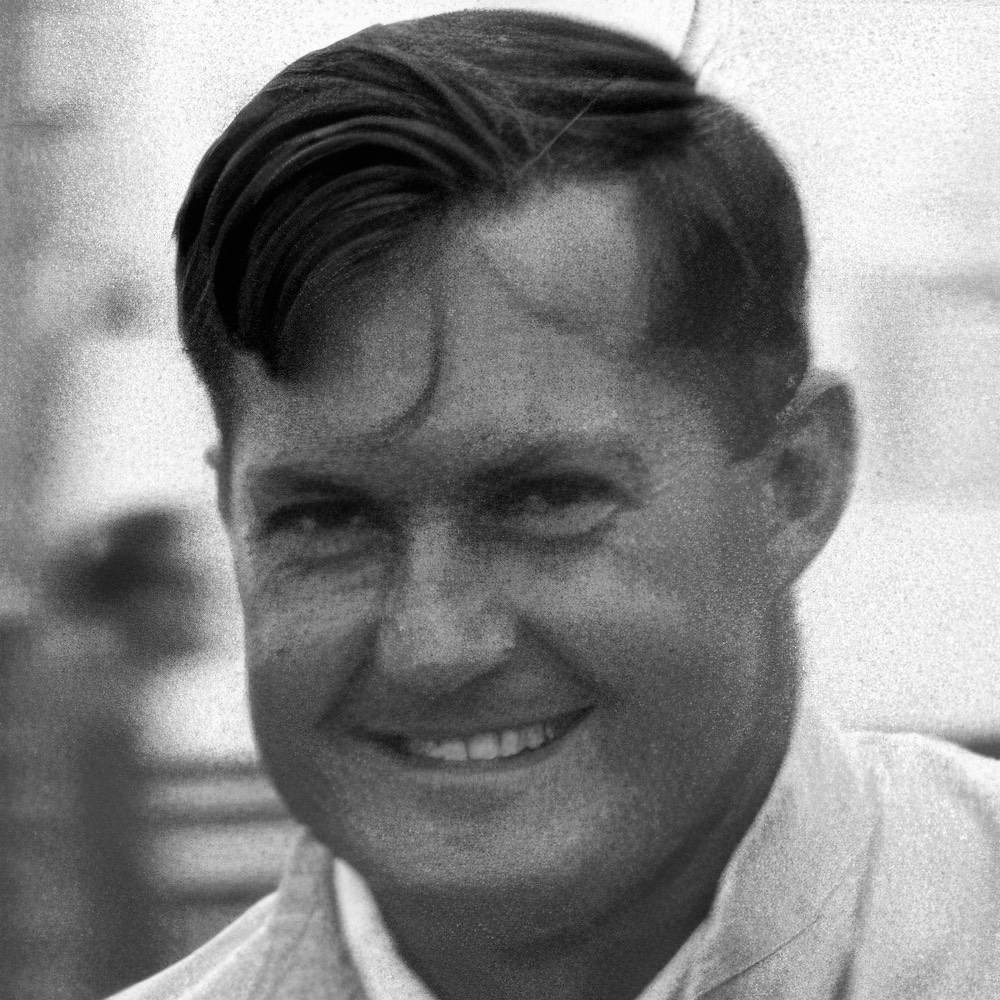
Luki Botha
Career Statistics
Biography
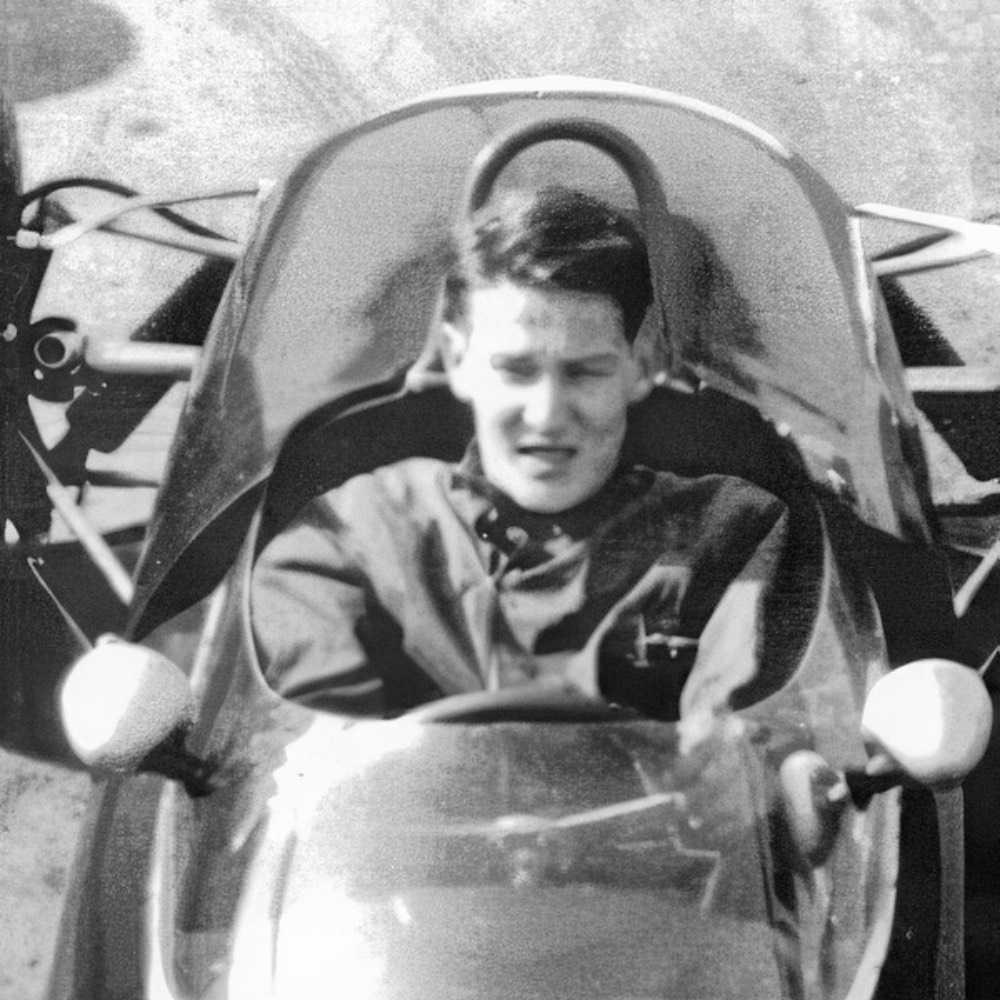
Lukas 'Luki' Botha (16 January 1930 - 1 October 2006) was a South African racing driver who competed in one Formula One World Championship Grand Prix, but whose career is remembered more for a tragic accident that claimed nine spectators' lives and effectively ended his racing ambitions. Born in Pretoria, Transvaal, South Africa, Botha became an avid sports car and endurance racer during the 1960s, establishing himself as one of South Africa's promising racing talents in domestic competition. Throughout the mid-1960s, Botha competed successfully in South African sports car racing, initially driving various machinery before graduating to a Lotus 23 equipped with a Cosworth 1100cc engine in late 1965.
With this car, Botha demonstrated impressive speed and reliability, winning five national class races in 1966. His success continued as he won six sports car class races and claimed victories in two 2000cc endurance races lasting 2-3 hours, showcasing both outright pace and the consistency required for longer-distance events. Remarkably, throughout this period of success, Botha only replaced the gearbox once on the Lotus 23—a testament to both his mechanical sympathy and the quality of his preparation. Botha's move toward Formula One came when he acquired a Brabham BT11 equipped with a Climax 2000cc engine, a competitive customer car that had proven successful in the hands of privateer entrants worldwide.
He made his single-seater debut at the end of the 1966 season at the Rhodesian Grand Prix (now Zimbabwe), finishing second in his Brabham BT11 behind Bob Anderson's similar car. This strong debut result suggested Botha possessed the talent to compete in Formula One, leading to his entry in the 1967 South African Grand Prix at Kyalami. The 1967 South African Grand Prix represented Botha's sole World Championship appearance, and unfortunately it proved disastrous from the outset. Driving his privately-entered Brabham BT11-Climax, Botha experienced engine failure at the start, with the Climax powerplant dying before the race properly began.
By the time he managed to restart the engine, the entire field had completed the opening lap, leaving Botha already a lap down before he'd turned a wheel in anger. Fighting to make up ground in a race characterized by high attrition, Botha eventually finished in eighth position physically, but was classified as unclassified, having completed only 62 laps compared to the 82 completed by winner Pedro Rodriguez's Cooper T81-Maserati. Being 20 laps behind the winner meant Botha did not complete sufficient distance to be officially classified as a finisher. Despite the disappointing result, Botha had at least completed his Formula One debut, and his strong domestic racing form suggested he might return for future South African Grands Prix.
However, tragedy intervened to end Botha's racing career before it could properly develop. During a race at Lourenço Marques (now Maputo, the capital of Mozambique), Botha's car suffered a major accident when spectators flooded into a designated run-off area, eliminating his escape route when the car got into difficulty. Unable to avoid the crowd, Botha's car ploughed into the spectators at high speed. The horrific crash claimed the lives of nine spectators and injured 17 others, creating one of motorsport's worst crowd-control disasters of the era.
While Botha himself survived the accident physically unscathed, the psychological trauma of having been involved in an incident that killed nine people devastated him. The accident occurred during an era when circuit safety and crowd control at motorsport events, particularly in developing nations, was primitive by modern standards. Spectators regularly encroached onto racing circuits, creating dangerous situations that drivers were powerless to prevent. The Lourenço Marques tragedy represented an extreme example of inadequate safety measures leading to catastrophic consequences.
Following the accident, Botha attempted to return to racing, getting back into a racing car to continue his career. However, he quickly realized that something fundamental had changed—the passion and commitment required for racing at the edge of adhesion had disappeared. In his own words, 'the spark was no longer there.' The psychological burden of the Lourenço Marques accident had extinguished his racing ambitions.
Unable to rediscover his previous enthusiasm and commitment, Botha made the difficult decision to retire from motorsport permanently, walking away from the sport while still in his prime. After retiring from racing, Botha pursued a career in engineering, working for East London council in South Africa, applying his technical knowledge and experience to public service. He lived a quiet life away from motorsport, rarely discussing his brief racing career or the tragedy that ended it. Luki Botha passed away on 1 October 2006 at age 76, having lived for nearly four decades after leaving motorsport.
His Formula One career lasted just one race—a single disappointing appearance that ended with him classified as unclassified. Yet Botha's story represents more than mere statistics; it reflects the dangers of 1960s motorsport, the inadequate safety standards at circuits worldwide, and the psychological toll that accidents could exact on drivers, particularly when spectators rather than fellow competitors paid the ultimate price. Today, Luki Botha is largely forgotten in Formula One history, a footnote in the 1967 season, but his story serves as a reminder of an era when motorsport's dangers extended beyond drivers themselves to spectators who often stood perilously close to racing circuits with inadequate protection.