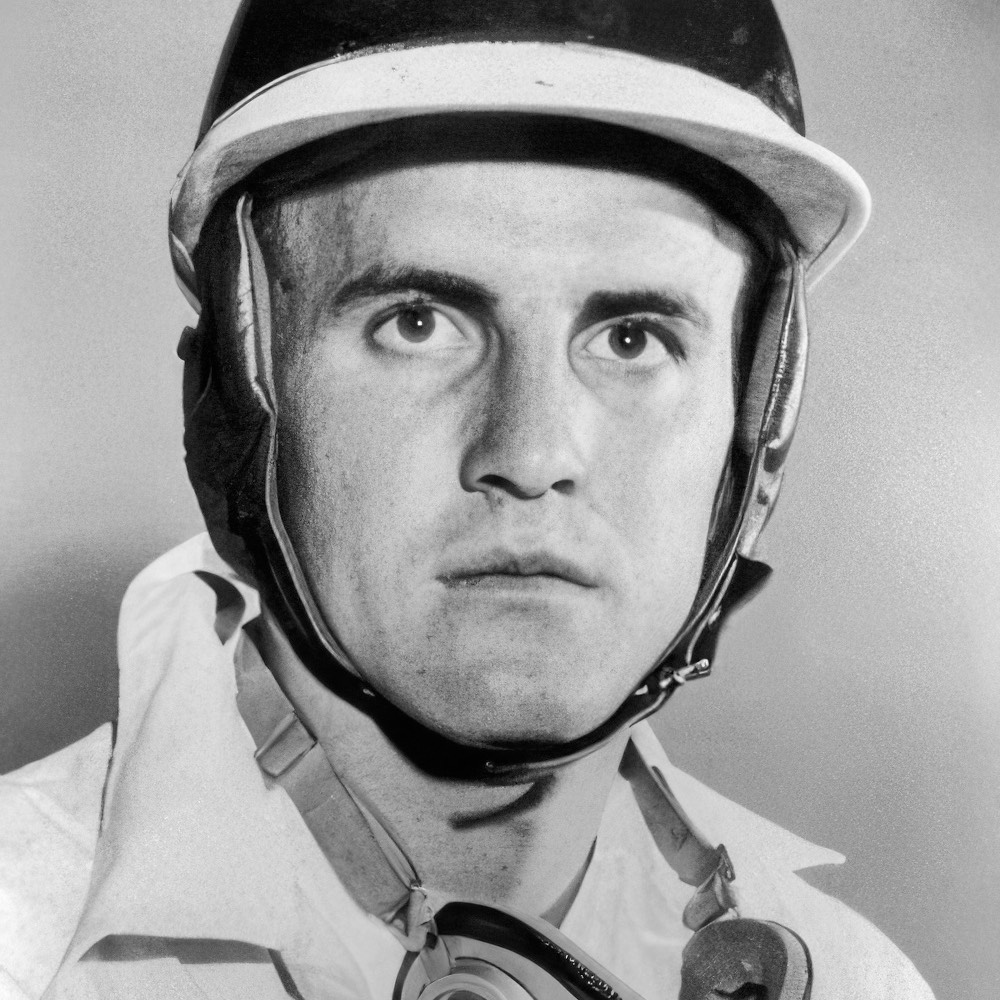
Mike Harris
Career Statistics
Biography
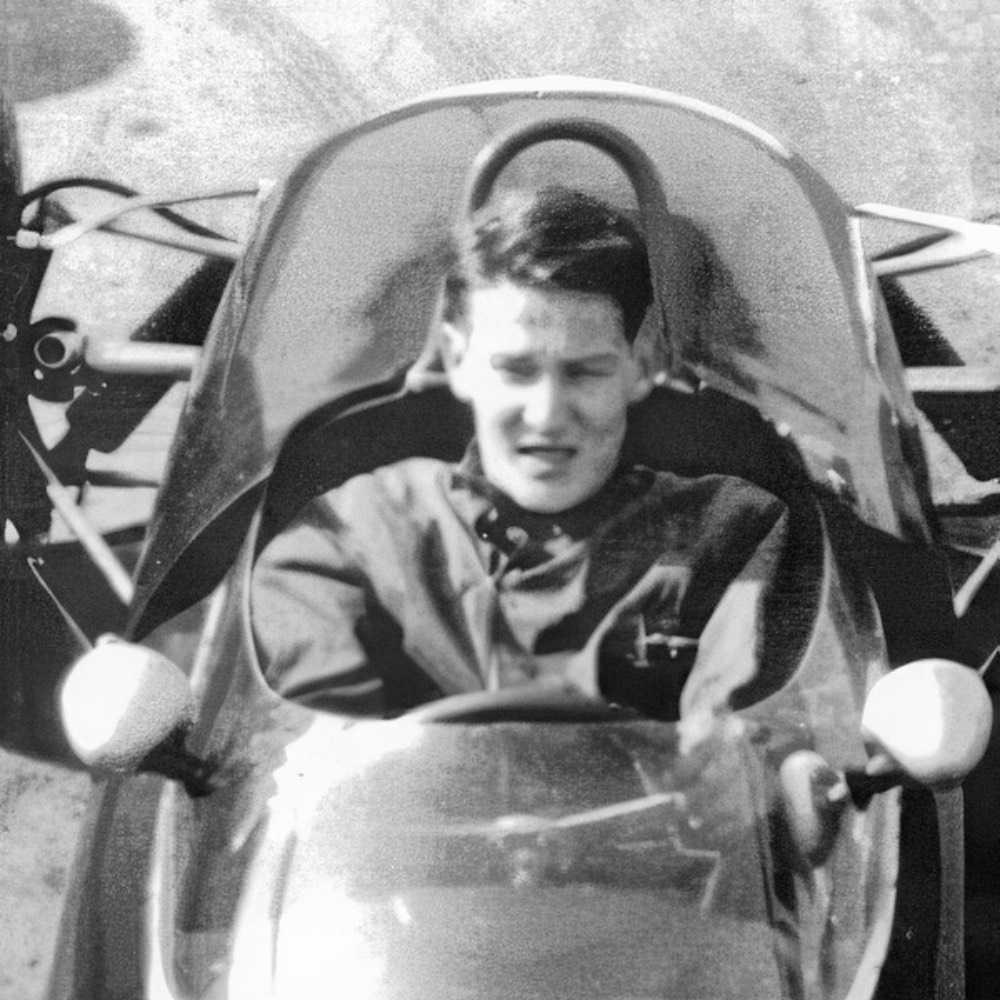
Mike Harris (25 May 1939 - 8 November 2021): Northern Rhodesian (later Zimbabwean) racing driver from Mufulira who participated in one Formula One World Championship Grand Prix, the 1962 South African Grand Prix at East London, retiring with engine failure. Harris won the 1962 Rhodesian Championship with a Cooper T53-Alfa Romeo and finished third at the 1962 Rhodesian Grand Prix behind Gary Hocking and Neville Lederle, but retired from racing shortly after following Hocking's death. Born in Mufulira in Northern Rhodesia's Copperbelt Province (now Zambia), Harris grew up in the mining region of what was then British colonial Africa. He began racing in the late 1950s, competing in Rhodesian national events with various cars.
By the early 1960s, Harris had acquired a Cooper T53 fitted with an Alfa Romeo engine—a competitive combination for African racing, though outdated compared to European works teams. The 1962 season was Harris's breakthrough year. Racing the Cooper T53-Alfa Romeo in the Rhodesian Championship, he dominated the series, winning the title against local competition. His success earned him entries into major races including the Rhodesian Grand Prix at Bulawayo on 2 December 1962.
At the Rhodesian Grand Prix, Harris qualified third behind British drivers Gary Hocking and South African Neville Lederle. The race was part of the Rhodesian summer racing season that attracted European drivers escaping winter. Harris drove strongly to finish third, matching his qualifying position and earning a podium behind two of southern Africa's leading drivers. Following his Rhodesian GP success, Harris traveled to South Africa to compete in the Rand Grand Prix at Kyalami, qualifying 20th from an entry of 34 cars—a reflection of the field's depth and competitiveness.
Harris retired from the race with a puncture, unable to show his full potential. Harris's Formula One opportunity came at the 1962 South African Grand Prix at East London on 29 December, the final round of the 1962 World Championship. Driving his Cooper T53-Alfa Romeo, Harris qualified for the race and took the start among a strong field. However, his race lasted less than half distance before the Alfa Romeo engine failed, forcing retirement.
One entry, one start, zero finishes, zero points—statistics that barely hint at his Rhodesian championship success. Tragically, Gary Hocking—who had beaten Harris to win the Rhodesian Grand Prix and was one of southern Africa's greatest racing talents—was killed at the end-of-season Natal Grand Prix just days after beating Harris. Hocking lost control of his Lotus and crashed fatally, becoming another victim of 1960s motorsport's appalling safety standards. Hocking's death profoundly affected Harris.
The Rhodesian racing community was small, and Hocking had been both a rival and friend. The tragedy persuaded Harris to retire from motorsport relatively soon after his year of success. He was just 23 years old but decided that the risks of racing—dramatically illustrated by Hocking's death—were too great to continue. Following retirement, Harris remained in Rhodesia (which became Zimbabwe after independence in 1980) and owned a long-standing garage business.
The business thrived for decades, and Harris became a successful businessman. Even after his death in 2021, the business remained in operation, continuing under the Harris name as a testament to his entrepreneurial success. Harris lived to age 82, passing away on 8 November 2021 in Zimbabwe. His death received coverage in Zimbabwean media and motorsport publications, celebrating him as one of the country's Formula One pioneers and Rhodesian racing champions.
Obituaries noted his retirement following Hocking's death, recognizing that his decision to quit racing demonstrated wisdom and self-preservation in an era when death was commonplace. Known for his 1962 Rhodesian Championship, third place at the 1962 Rhodesian Grand Prix behind Gary Hocking and Neville Lederle, retirement from racing following Hocking's death, successful garage business in Zimbabwe spanning over five decades, and longevity (living to 82 in a sport where many contemporaries died young), Mike Harris represents the drivers who valued life over glory. His decision to retire at 23 after witnessing Hocking's death showed maturity and perspective rare among racers driven by competition and adrenaline.