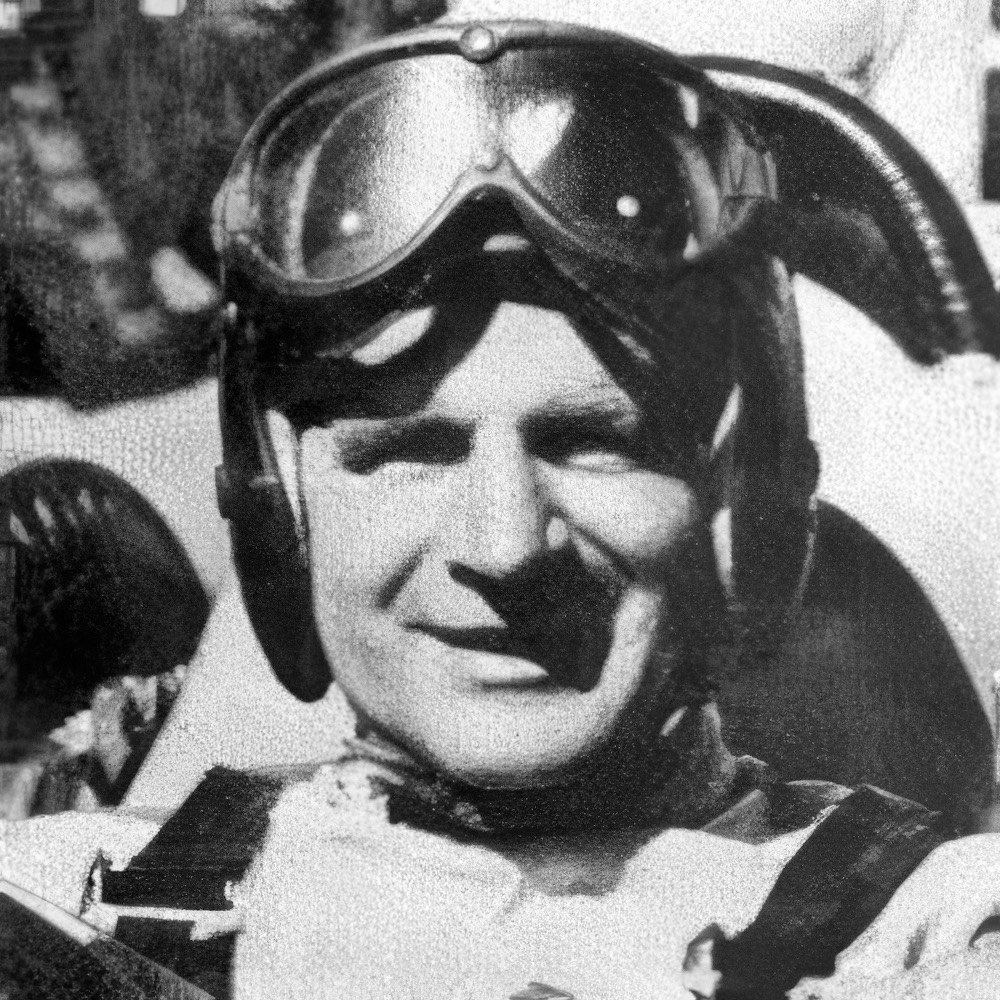
Peter Broeker
Career Statistics
Biography
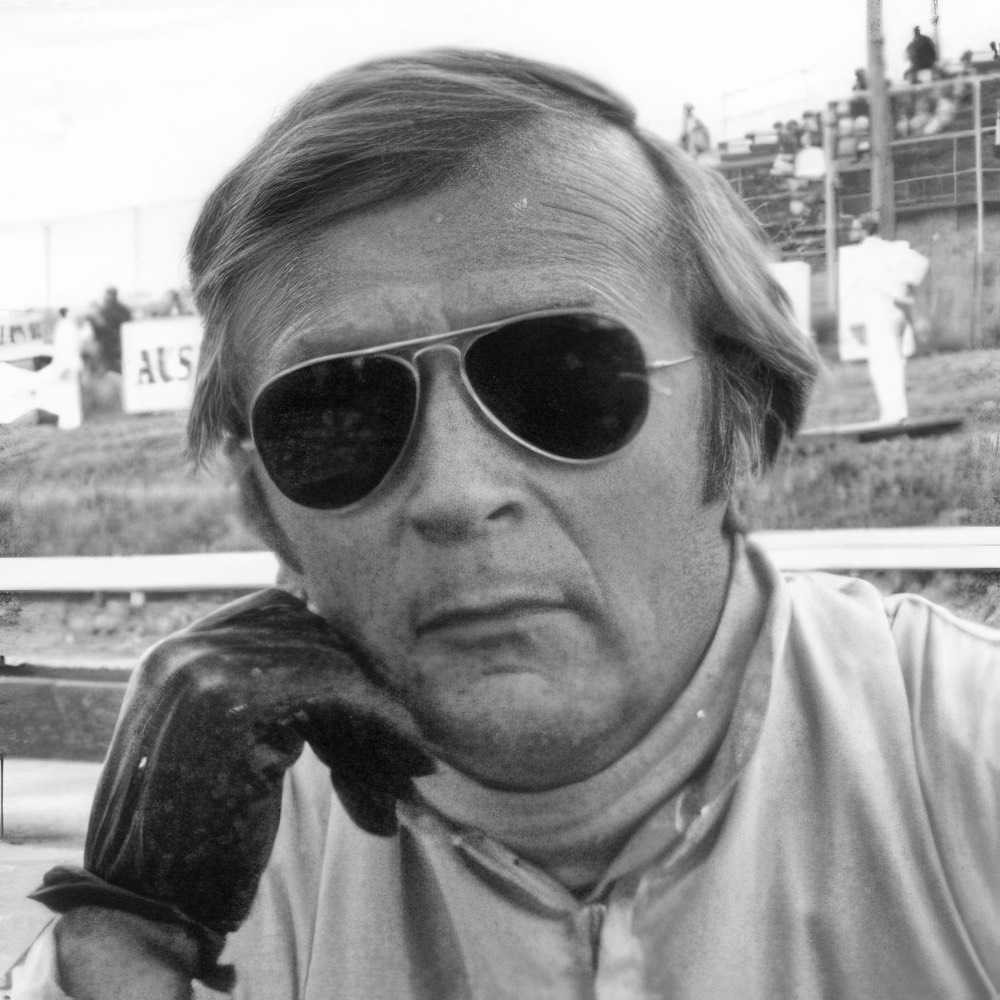
Peter William 'Pete' Broeker (15 May 1926 - 4 November 1980) was a Canadian racing driver who competed in one Formula One World Championship Grand Prix, the 1963 United States Grand Prix, driving a Stebro—a car of his own construction—becoming the first Canadian to compete in a Formula One World Championship race in a Canadian-built car. Born near Stuttgart, Germany, on 15 May 1926, Broeker traveled extensively during his childhood as his father's business interests took the family to schools in South America, Europe, and the United States. This international upbringing exposed young Broeker to diverse cultures and experiences that would shape his entrepreneurial approach to both business and motorsport.
Broeker attended college in Nashville, Tennessee, where he first took up racing, competing in local stock car events. His early racing experiences in American oval and stock car competition developed the bravery and car control skills that would serve him throughout his career. After college, Broeker held both US and Canadian nationality and served in the United States Army, fulfilling his military obligations before pursuing civilian interests. In 1952, Broeker moved to Canada, settling in Montreal where he would establish both his business career and racing pursuits.
Seven years after arriving in Canada, in 1959, Broeker co-founded Stebro Exhausts with John Stephens in Montreal. The company manufactured aftermarket performance exhaust systems for sports cars and racing vehicles, becoming successful in Canada's growing automotive performance market. Stebro Exhausts provided Broeker with both financial resources and technical expertise that he would apply to building his own racing cars. Broeker's ambition extended beyond selling exhausts to constructing complete racing cars.
Using his engineering knowledge and business resources, he designed and built the Stebro Formula One car—a ambitious project for a small Canadian company with no Grand Prix experience. The Stebro was powered by a production-based engine that gave away more than 80 horsepower to the works Ferrari, BRM, Lotus, and Brabham cars that dominated Formula One in 1963, but Broeker's determination drove him to attempt qualifying for the United States Grand Prix at Watkins Glen. At the 1963 United States Grand Prix on 6 October, Broeker attempted to qualify his Stebro against the world's best teams and drivers. According to the Toronto Star newspaper at the time: 'Broeker, first Canadian ever to compete in a world championship Formula One race in a Canadian-built car, finished seventh overall despite giving away more than 80 horsepower to the rest of the field of 21.
' In practice, Broeker was more than 15 seconds off the pace and qualified last on the grid, highlighting the enormous performance deficit his underpowered, inexperienced privateer entry faced against works teams. Starting from last position, Broeker completed the race, finishing seventh physically but 22 laps down on the leaders, meaning he was not classified as an official finisher and scored no championship points. Despite the statistical failure, Broeker had achieved his goal of racing a Canadian-built car in a Formula One World Championship event, making motorsport history regardless of the result. His achievement represented pioneering spirit—attempting something extraordinarily difficult with limited resources simply because it had never been done.
In 1964, Broeker took an updated Stebro Mk V powered by a Cosworth MAE engine to Europe to participate in the Formula 2 championship, hoping to develop the car against strong European competition. However, the Stebro proved hopelessly uncompetitive in Formula 2, consistently running far off the pace. His best result came with 12th place (unclassified due to insufficient distance) on aggregate at the Berlin Grand Prix at Avus. After this disappointing European campaign, Broeker abandoned his Formula One and Formula 2 ambitions, recognizing the enormous financial and technical gulf between his small Canadian operation and established European racing.
Returning to North America, Broeker continued racing in Canadian domestic categories with far greater success than his European adventures had brought. In 1970, he won a race at Westwood driving a Chevron, demonstrating genuine competitiveness when racing with appropriate equipment against regional competition. He remained loyal to Chevron as he graduated to Formula Atlantic racing with a B27, then continued in Atlantic through 1976 driving a March 74B. These Canadian domestic successes brought Broeker far more satisfaction than his brief Formula One adventure.
Beyond racing, Broeker was a noted coin collector with particular interest in Olympic numismatics. In 1973, he published 'Olympic Coins: From Antiquity to the Present,' a scholarly work reflecting his passion for Olympic history and coin collecting. This intellectual pursuit demonstrated Broeker's diverse interests beyond motorsport and business. Throughout his post-racing years, Broeker continued operating Stebro Exhausts, which remains in business today—a lasting legacy of his entrepreneurial vision.
The company's continued operation decades after his death represents Broeker's most enduring achievement, outlasting his racing career and bringing performance exhaust systems to Canadian motorsport enthusiasts for generations. Peter Broeker died on 4 November 1980 after a short battle with cancer, passing away at age 54. Though his Formula One career consisted of a single race entry resulting in an unclassified finish 22 laps down, Broeker's achievement of being the first Canadian to race a Canadian-built car in a Formula One World Championship Grand Prix secured his place in Canadian motorsport history. His story exemplifies the privateer spirit—attempting the seemingly impossible with limited resources driven by passion and determination rather than realistic expectations of success.