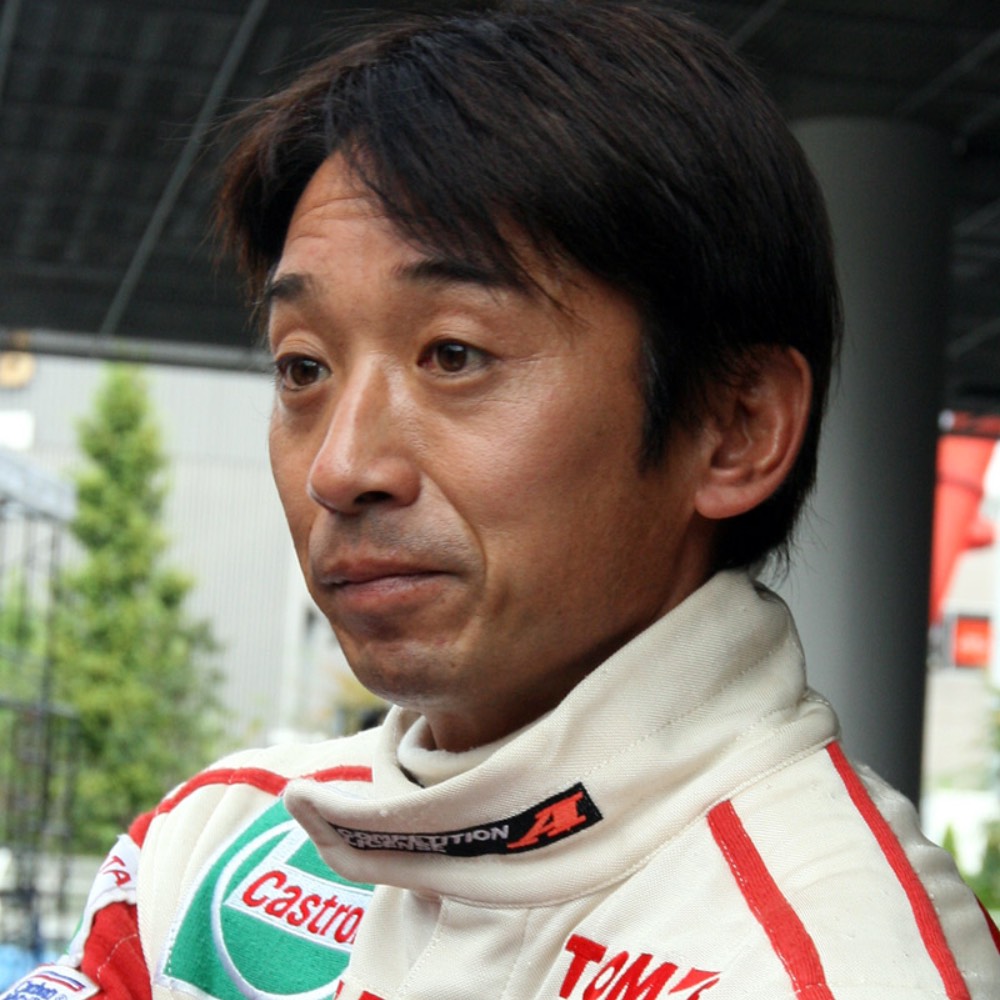
Ukyo Katayama
Career Statistics
Biography
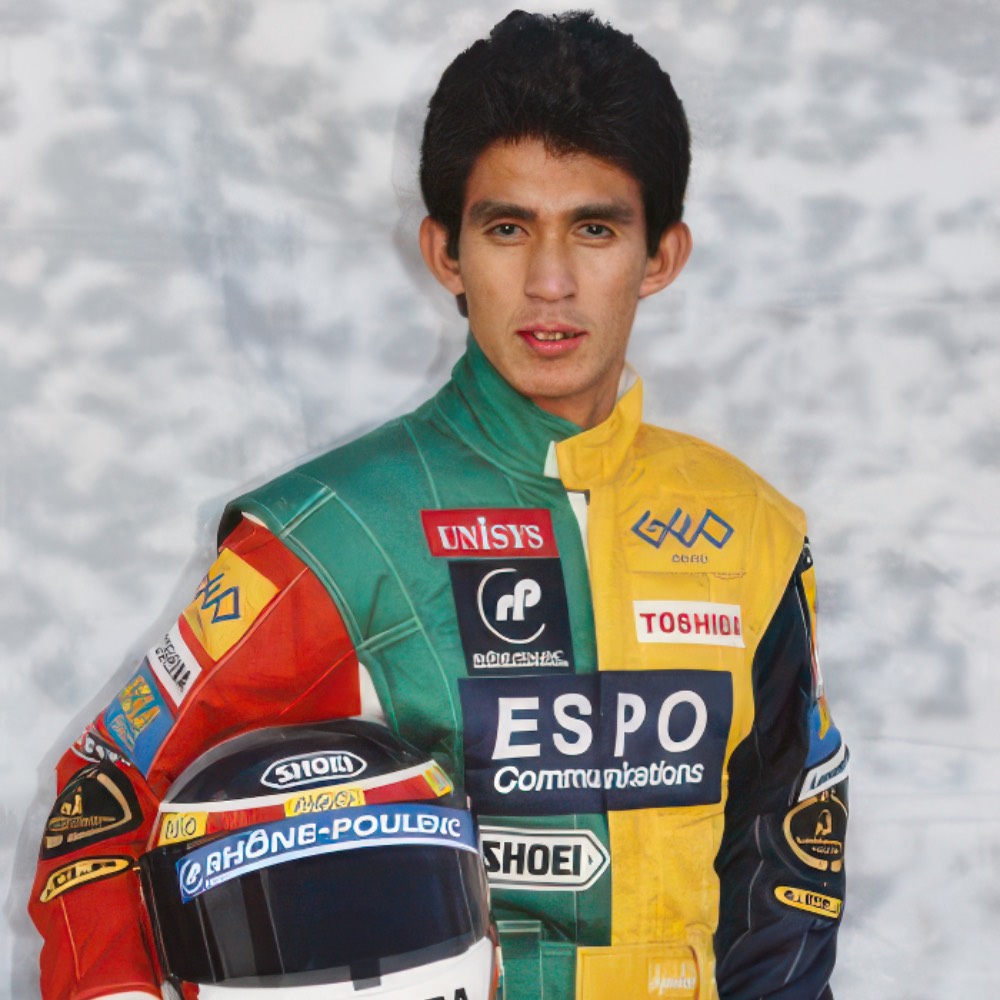
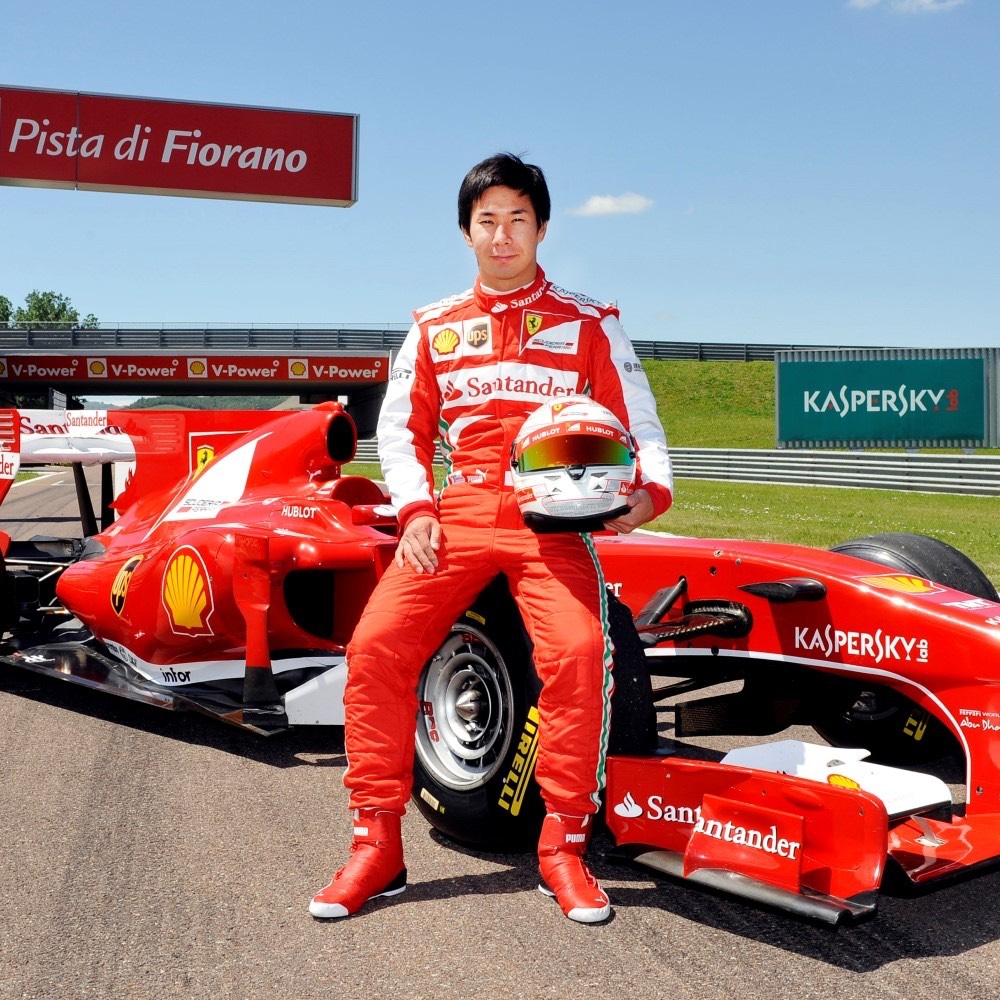
Ukyo Katayama (born 29 May 1963) is a Japanese former racing driver and motorsport executive from Tokyo who competed in Formula One from 1992 to 1997, participating in 97 Grands Prix and scoring five championship points—all achieved during the 1994 season with Tyrrell—while enduring a remarkable 58-race pointless streak before retiring. Katayama became Japan's second most experienced Formula One driver behind only Takuma Sato, and despite his modest statistical record, he achieved cult status in Japan as a pioneer who inspired future Japanese drivers including Yuki Tsunoda, while his personal courage in racing throughout the mid-1990s despite battling cancer unknown to all but his closest confidants demonstrates extraordinary mental and physical toughness.
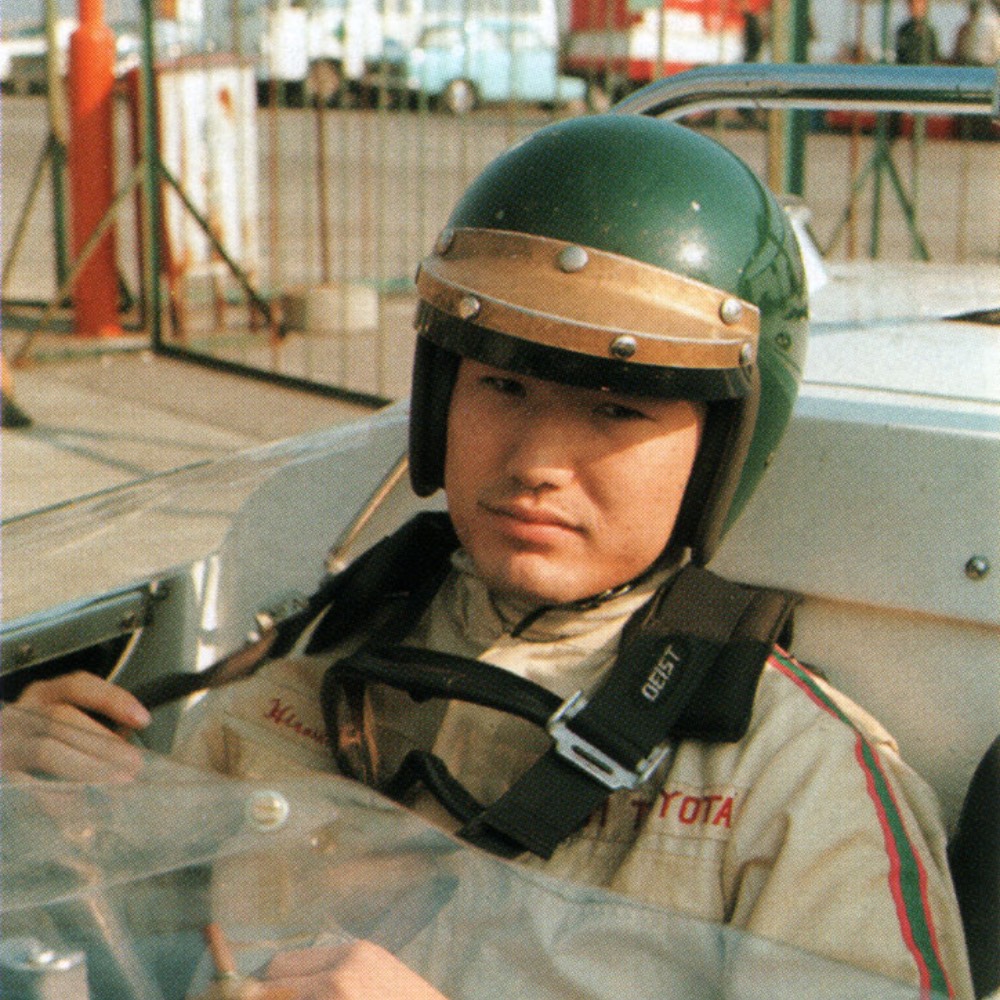
Katayama's path to Formula One was unconventional and demonstrates remarkable perseverance. Starting out as a racing mechanic at Tsukuba circuit in 1982, he worked on other drivers' cars while learning the technical and competitive aspects of motorsport from the ground up. In 1983, he began racing himself in Japanese Formula 1600, winning the championship in 1984 and establishing himself as a racing driver rather than merely a mechanic. This hands-on experience with car preparation and setup would prove valuable throughout his career, giving him technical understanding that many drivers lacked.
After his Japanese Formula 1600 success, Katayama made the ambitious decision to race in France, spending three years from 1985 to 1987 competing in French junior categories and learning European racing culture. The experience racing in France—far from home, competing against European drivers on unfamiliar circuits—developed mental toughness and adaptability. Katayama returned to Japan in 1988 to enter Japanese Formula 3000, the country's premier junior single-seater championship and primary path to Formula One for Japanese drivers.
He spent four seasons in Japanese Formula 3000 from 1988 to 1991, gradually improving his results. In 1990, he scored three podiums, demonstrating increasing competitiveness, and in 1991 achieved his breakthrough by winning the championship with two race victories and three second-place finishes. The championship title, combined with substantial financial backing from Japan Tobacco through their Cabin brand, secured Katayama a Formula One drive with the Larrousse team for 1992—making him only the second Japanese driver to compete in Formula One's modern era after Satoru Nakajima.
Katayama made his Formula One debut at the 1992 South African Grand Prix, the season opener at Kyalami. His debut season with Larrousse was difficult, as the French team operated on a limited budget with uncompetitive cars. Katayama's best results were two ninth-place finishes in Brazil and Italy—just outside the points (only the top six scored points in 1992). While these results were modest, they demonstrated he could at least finish races consistently, no small achievement for a rookie with an underfunded team.
For 1993, Katayama moved to Tyrrell Racing, a famous British team then experiencing decline from their 1960s and 1970s glory days but still more competitive than Larrousse. He would remain with Tyrrell through 1996, making it his primary Formula One home for four seasons. His most successful season came in 1994, when he drove the Tyrrell 022 designed by Harvey Postlethwaite—a car that proved surprisingly competitive in the hands of both Katayama and his more experienced teammate Mark Blundell.
The 1994 season saw Katayama score all five of his career championship points. He impressed particularly with three points-scoring finishes (fifth place at Monaco and Spain, sixth at Hungary) and generally matched or exceeded his acclaimed teammate Blundell's pace. In several races, Katayama ran consistently in the top six, demonstrating genuine speed rather than opportunistic points-scoring. Most impressively, at the German Grand Prix at Hockenheim, he was running third—on course for his first Formula One podium—when his throttle stuck open, forcing retirement from what would have been a career-defining result.
However, catastrophic unreliability plagued Katayama's 1994 season. Of the 16 races, he retired from 12 with mechanical failures, meaning that in the four races he finished, he scored points in three—an extraordinary conversion rate that suggested his pace was genuinely competitive when the car held together. It later emerged that throughout the 1994 season, Katayama had been diagnosed with cancer in his back. While non-threatening to his life, the condition was painful, and his Grand Prix commitments delayed proper treatment. Remarkably, Katayama told no one about his condition, not wanting anyone's sympathy or excuses made for him. That he scored all his career points while racing in constant pain from untreated cancer demonstrates extraordinary physical and mental toughness rarely seen in any sport.
The 1995 and 1996 seasons with Tyrrell brought increasing frustration as the team's competitiveness declined. Katayama qualified respectably and occasionally ran in points-paying positions, but mechanical failures and lack of ultimate pace meant he started a points drought that would extend 58 races—nearly four full seasons. His best performances came through determination and car control rather than outright speed, and he developed a reputation as a solid, reliable driver who maximized his equipment even when that equipment was inferior to rivals.
For 1997, Katayama moved to Minardi, Formula One's perennial backmarker team, after securing continued financial backing from Japan Tobacco through their Mild Seven brand—funds that Tyrrell had wanted but were taken to Minardi instead. The Minardi M197 was hopelessly uncompetitive, and Katayama struggled even to qualify for races, let alone score points. The season represented a sad decline for a driver who had shown genuine promise just three years earlier with competitive machinery.
At his home race, the 1997 Japanese Grand Prix at Suzuka, Katayama emotionally announced his retirement from Formula One. The decision came after six seasons, 97 Grand Prix starts, and five championship points—statistics that failed to reflect either his talent or his courage in racing while battling cancer. He was 34 years old and ready to pursue other interests beyond the increasingly frustrating struggle with uncompetitive Formula One machinery.
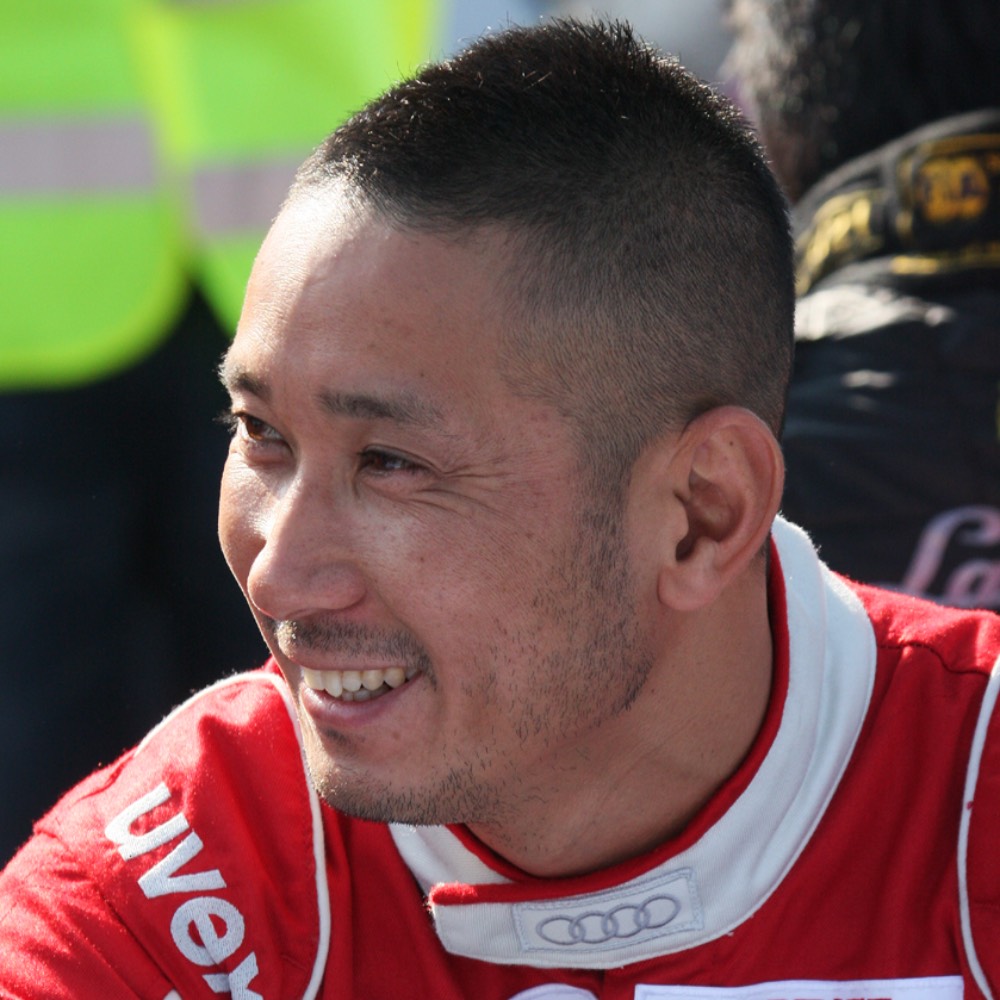
After leaving Formula One, Katayama competed in endurance racing, most notably finishing second overall at the 1999 24 Hours of Le Mans and winning the GTP class—a result far more impressive than anything he achieved in Formula One and proof that given competitive equipment, his talent could shine. In 2000, Katayama established Team UKYO, a motorsport organization that would compete in various Japanese racing categories and help develop young driving talent.
Since 2012, Katayama has managed Team UKYO as a professional continental cycling team competing in events across Japan and Asia—a remarkable career transition from motorsport to professional cycling management that reflects his enduring passion for competitive sports beyond just automobile racing. The cycling team has achieved notable success and provides a platform for Asian cyclists to develop their careers, mirroring Katayama's own efforts to succeed internationally during his racing career.
Beyond motorsport and cycling, Katayama is an avid mountaineer—pursuing one of the world's most physically and mentally demanding sports. He climbed Cho Oyu (the world's sixth-highest mountain at 8,188 meters) in 2001, and in 2006 achieved his lifetime ambition by climbing Manaslu, the eighth-highest mountain in the world at 8,163 meters. These mountaineering achievements demonstrate the same determination and courage that characterized his racing career, proving his toughness extended far beyond motorsport.
Katayama's legacy in Formula One extends beyond his modest statistics. He inspired a generation of Japanese drivers, including current Formula One driver Yuki Tsunoda, who has cited Katayama as an inspiration. As Japan's second most experienced Formula One driver with 97 starts, Katayama opened doors for future Japanese competitors and demonstrated that Japanese drivers could compete at motorsport's highest level even without winning races or scoring regularly. His courage in racing throughout 1994 while battling cancer—a fact revealed only after his retirement—commands respect that transcends statistics.
Ukyo Katayama's story is one of perseverance, determination, and dignity in the face of limited success. His five career points might seem modest, but they were earned with competitive machinery during a single season while racing in constant pain from undiagnosed cancer. That he continued racing for three more seasons after 1994, enduring a 58-race pointless streak with increasingly uncompetitive teams, demonstrates commitment to his career and his sponsors that few drivers would maintain. His post-racing success in cycling management and mountaineering proves his competitive drive and determination were never about Formula One statistics but about pursuing excellence across multiple disciplines.