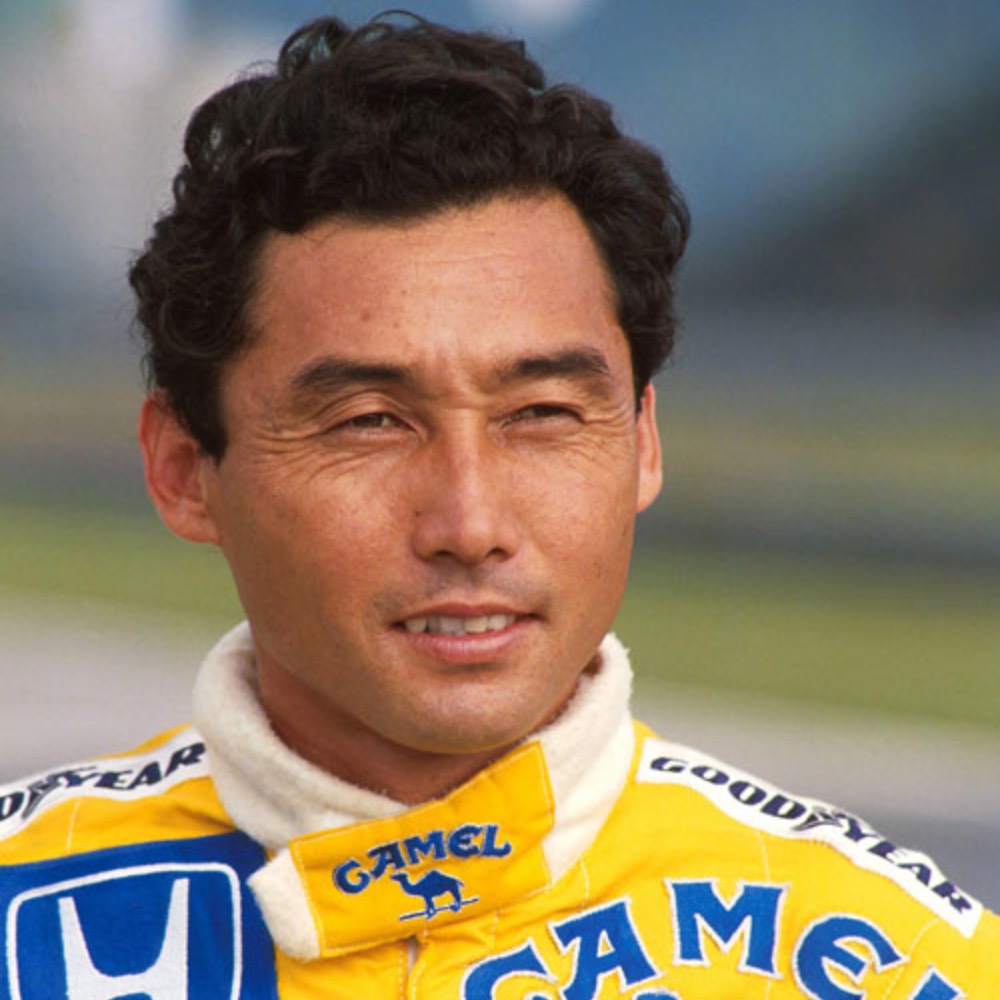
Satoru Nakajima
Career Statistics
Biography
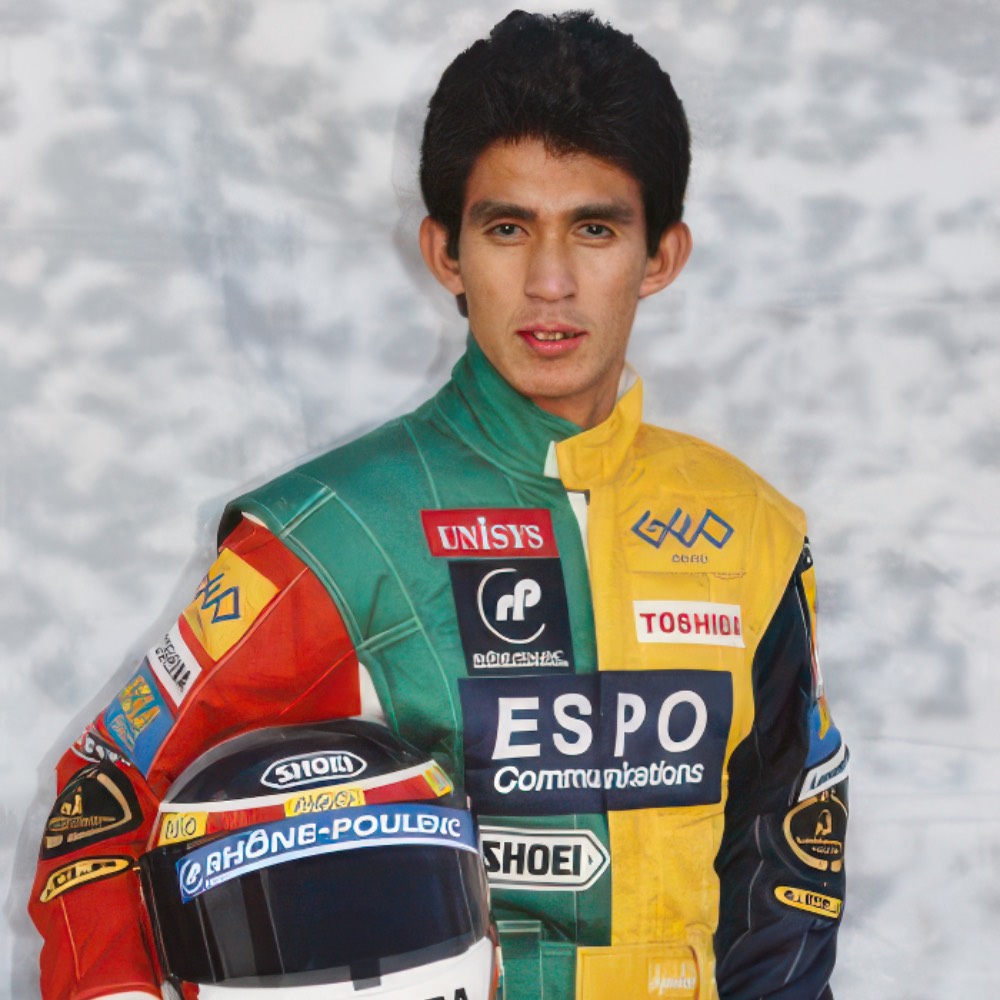
Satoru Nakajima (born 23 February 1953) is a Japanese racing driver who competed in Formula One from 1987 to 1991, forever remembered as the first Japanese driver to compete full-time in Formula One—a pioneering achievement that broke down barriers for Asian drivers in motorsport's most exclusive category while enduring the enormous challenge of partnering Ayrton Senna at Lotus during his debut season, a baptism by fire that saw him comprehensively outpaced by one of history's greatest drivers yet scoring points and earning respect for his professionalism, smooth driving style, and role as Honda's chosen representative during their dominant 1980s Formula One partnership with Williams, McLaren, and Lotus.
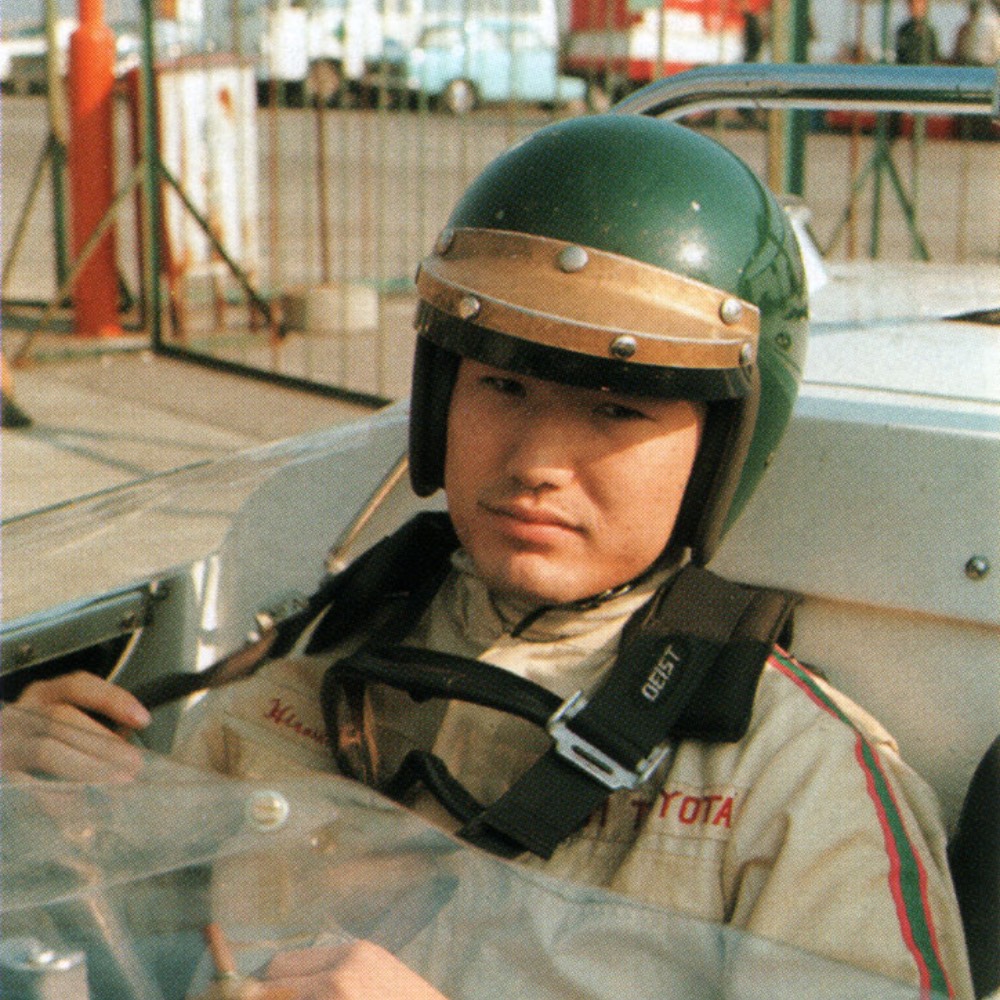
Born in Okazaki, Aichi, Japan, Nakajima was already 34 years old when he made his Formula One debut—remarkably late by modern standards and one of the oldest F1 debutants of the modern era. His path to Formula One differed dramatically from European drivers, as he spent his entire career competing in Japanese domestic racing before Honda selected him for their F1 program. Nakajima progressed to Japanese Formula 2 (later Formula 3000) in 1977, where he became the championship's most dominant driver, winning a then-record five titles between 1981 and 1986 with 21 victories across 10 seasons—a level of domestic dominance that made him Japan's most celebrated circuit racing driver and Honda's natural choice when they sought a Japanese driver for their F1 engine program.
Honda had highly valued Nakajima's abilities during his years as their test driver, tasking him with testing Honda F1 engines in Japan and providing feedback that helped develop the turbocharged V6 engines that would power Williams and McLaren to multiple championships. When Lotus signed a Honda engine deal for 1987, Honda insisted that Nakajima be given a race seat alongside team leader Ayrton Senna, making him the first full-time Japanese Formula One driver (Kazuyoshi Hoshino had made two race starts in 1976-1977, but never competed regularly). Nakajima made his Formula One debut at the 1987 Brazilian Grand Prix in Rio de Janeiro, and his rookie season alongside Senna proved extraordinarily difficult.
The Brazilian was at the peak of his powers, dominating qualifying and races with performances that bordered on supernatural, while Nakajima—34 years old, adapting to unfamiliar circuits, facing the world's best drivers, and partnering one of history's greatest talents—struggled to match his teammate's pace. The performance gap was enormous: Senna won two races and scored 57 points to Nakajima's 7 points, and in qualifying, Senna routinely outpaced Nakajima by seconds per lap. Many in the paddock questioned whether Nakajima deserved his Formula One seat or whether Honda's insistence on a Japanese driver had placed an unqualified driver in F1 purely for commercial reasons. However, this criticism overlooked Nakajima's professionalism and the impossible challenge he faced.
Despite being comprehensively outpaced by Senna, Nakajima scored championship points in only his second race—finishing sixth at the 1987 San Marino Grand Prix at Imola—and achieved a career-best fourth place at the British Grand Prix at Silverstone, demonstrating genuine F1-level competence. More importantly, Senna himself treated Nakajima with kindness and respect, recognizing the enormous challenge his teammate faced. Senna provided advice about each circuit during team meetings and private conversations, helping Nakajima learn Formula One's demanding tracks and sharing setup knowledge that helped close the performance gap. Their relationship was professional and supportive, with Senna understanding that beating a 34-year-old rookie adapting to F1 was no measure of his own abilities, while Nakajima appreciated his teammate's guidance and never complained about the lopsided comparison.
For 1988, Senna moved to McLaren-Honda, and Nakajima remained at Lotus alongside new teammate Nelson Piquet. The partnership proved more competitive, with Nakajima occasionally matching Piquet's pace and scoring points more regularly. His best 1988 result was fifth place at the Canadian Grand Prix, and he finished the season with 5 points, demonstrating gradual improvement. The 1989 season saw Lotus' competitiveness decline as their Judd engines (Honda had left for McLaren-Williams exclusivity) proved uncompetitive, and both Nakajima and Piquet struggled to score points.
Nakajima moved to Tyrrell for 1990, benefiting from their Honda engine supply, and enjoyed his most successful Formula One season. He scored points finishes at the United States, Italian, and Japanese Grands Prix, with his home race podium being particularly emotional for Japanese fans. His smooth, consistent driving suited Tyrrell's midfield equipment, and he earned respect as a solid points-scorer. Nakajima retained his Tyrrell seat for 1991 under Honda power, scoring his final championship points with sixth place at the season-opening United States Grand Prix at Phoenix.
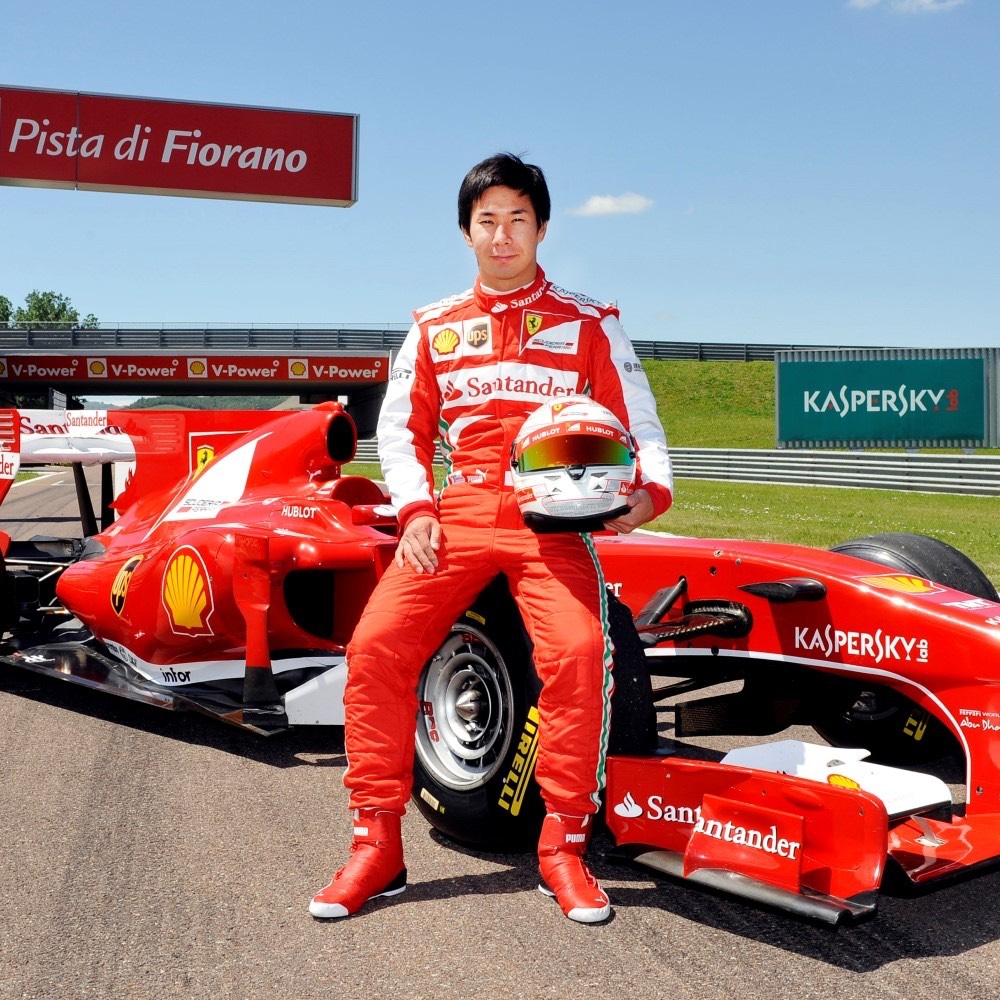
However, as the season progressed, Tyrrell's competitiveness declined, and at year's end, Nakajima retired from Formula One at age 38. Over five Formula One seasons, Nakajima competed in 74 Grands Prix (starting 74 times), scoring 16 championship points with a best finish of fourth place. While his statistics don't suggest a spectacular career, Nakajima's importance to Formula One transcends numbers. As the first full-time Japanese F1 driver, he opened doors for future generations including Ukyo Katayama, Takuma Sato, and Kamui Kobayashi, demonstrating that Japanese drivers could compete at Formula One's level.
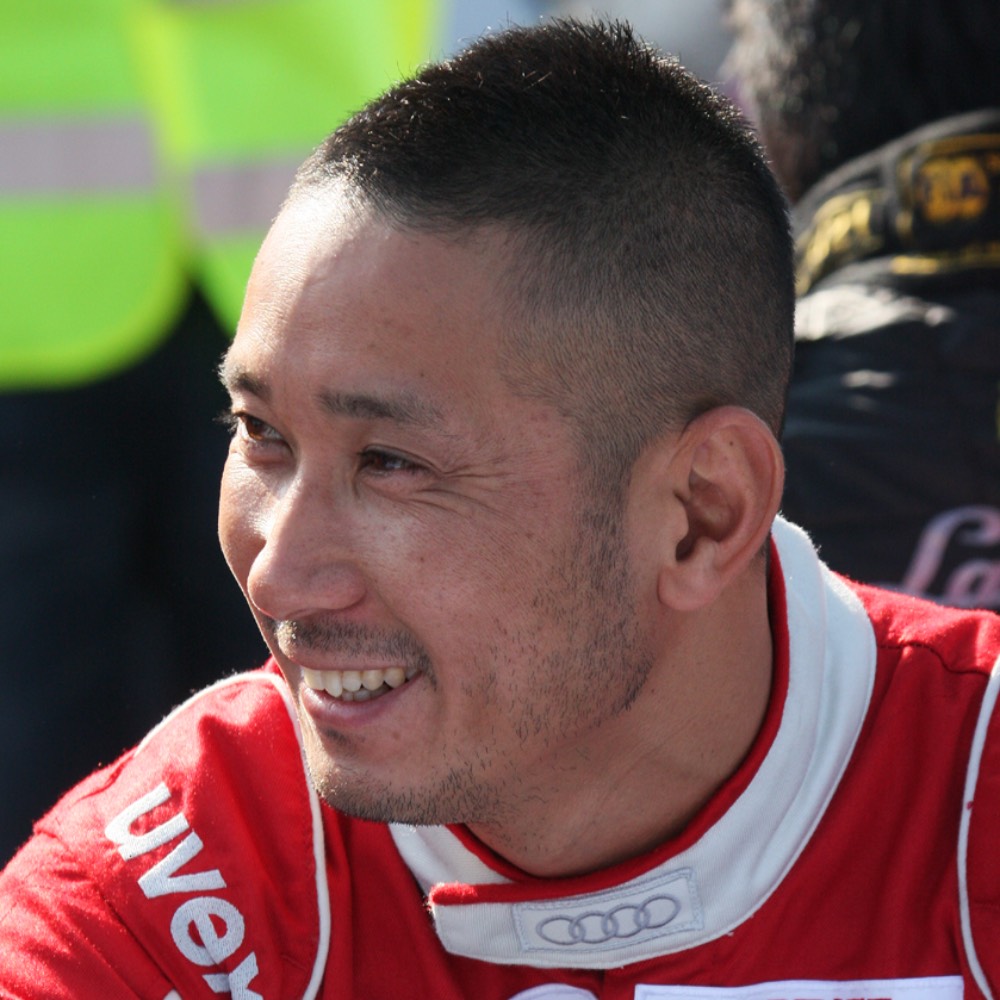
His professionalism and smooth driving style earned respect throughout the paddock, and his role in Honda's 1980s F1 success—both as test driver and race driver—contributed to one of the sport's most successful engine programs. After retiring from Formula One, Nakajima focused on his Nakajima Racing team, which he had founded in 1984 to enter Japanese Formula 2/3000. His team became one of Japan's most successful, winning multiple championships and developing young talent. His son Kazuki Nakajima competed in Formula One for Williams in 2007-2009, becoming the first second-generation Japanese F1 driver and continuing his father's legacy.
Satoru Nakajima's Formula One career represents a pioneering achievement that opened doors for an entire nation's motorsport aspirations, demonstrating that Japanese drivers belonged in Formula One and paving the way for future generations who would follow his path from Japanese domestic racing to the world stage.