Patrick Friesacher
Career Statistics
Biography
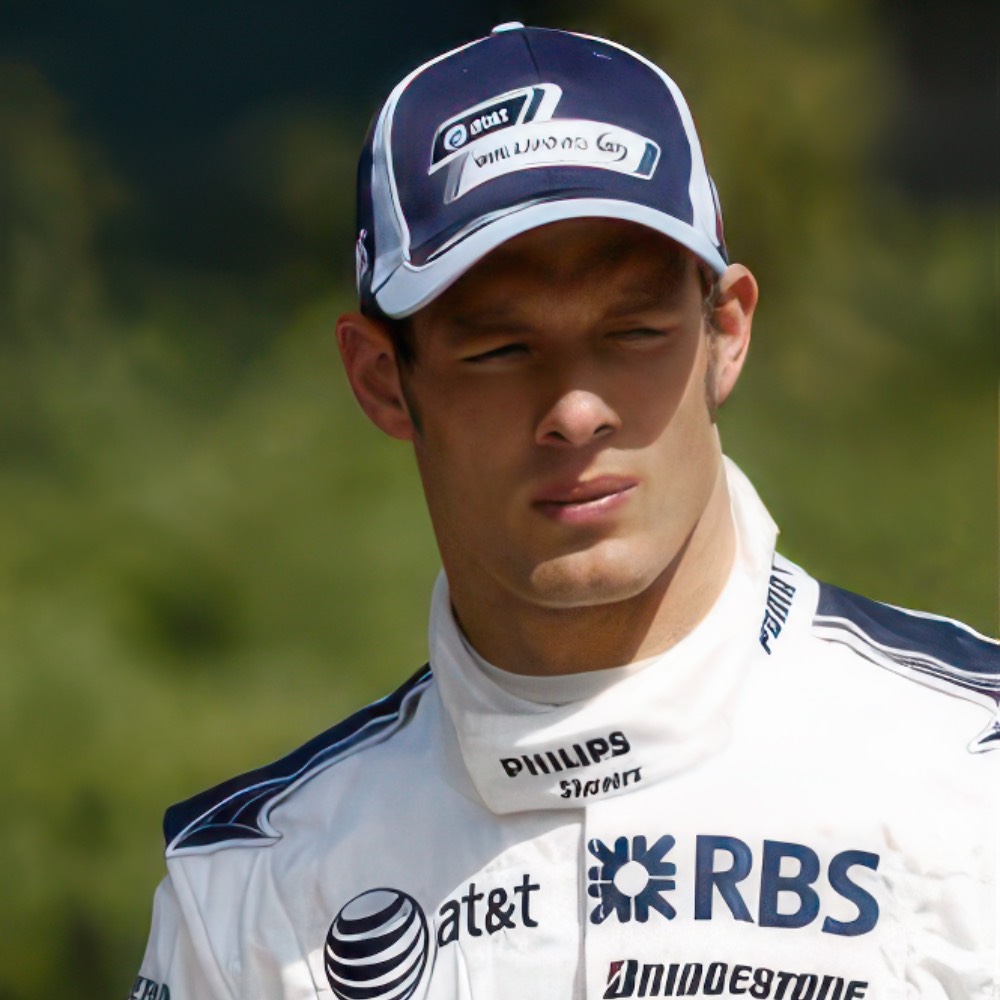
Patrick Friesacher (born 26 September 1980) is an Austrian former racing driver who competed in 11 Formula One World Championship Grands Prix during the 2005 season, driving for the Minardi team and scoring three championship points despite finishing last at the controversial United States Grand Prix where only six cars competed, before being dropped mid-season when his sponsors failed to pay agreed amounts, ending a brief Formula One career that had begun with tremendous promise as Red Bull's first-ever junior driver but which ultimately demonstrated the harsh financial realities facing drivers at Formula One's smallest teams. Born in Wolfsberg, Austria, Friesacher initially raced motorcycles for five years before realizing that his future lay in four-wheeled competition, and he began kart racing at age 10 in 1990, quickly demonstrating natural talent that would carry him through the junior formulae toward Formula One.
In 1994, Friesacher achieved the distinction of becoming the first-ever Red Bull junior driver, as the energy drink company was just beginning its involvement in motorsport driver development that would later produce multiple World Champions including Sebastian Vettel and Max Verstappen, making Friesacher a pioneer in what would become one of motorsport's most successful driver programs. Friesacher progressed through French Formula Campus (finishing third in 1998), French Formula 3 'B' class (1999), and German Formula 3 (2000), before jumping to Formula 3000 in 2001, where he scored three top-six finishes for the Red Bull Junior team, demonstrating consistency that suggested future Formula One potential.
He remained in Formula 3000 for 2002 and 2003 with Red Bull, and in 2003 he won a race at the Hungaroring after recovering from a broken arm sustained in an earlier race that season, demonstrating both speed and resilience, and in 2004 he won another race at Hungary, this time driving for the Coloni team, cementing his reputation as one of Formula 3000's most competitive drivers. On 22 November 2004, Friesacher tested the Minardi PS04B at Misano and completed 41 laps while posting the fastest time of the day—more than two seconds quicker than Tiago Monteiro—impressing the team and positioning himself for a 2005 race seat. Initially signed as Minardi's third driver for 2005, Friesacher was promoted to race driver on 14 February 2005 when Nicolas Kiesa failed to raise the required sponsorship, and he secured his drive through unnamed sponsors mediated by controversial Carinthia governor Jörg Haider, who agreed to pay Minardi US$2 million, with the state's tourism board featuring its logos on the car, creating political controversy in Austria about government money funding motorsport.
Friesacher's 2005 Formula One season with Minardi proved challenging as the team was Formula One's slowest and least competitive, consistently qualifying at the back of the grid and struggling to stay ahead of even the slowest cars from more established teams, though Friesacher drove professionally and extracted maximum performance from the limited equipment. The 2005 United States Grand Prix at Indianapolis brought Friesacher his only Formula One championship points in bizarre circumstances: seven teams withdrew before the race due to tire safety concerns, leaving only six cars to compete, and Friesacher finished sixth—last of the classified finishers—but earned three World Championship points simply for completing the race, making him one of the most improbable points-scorers in Formula One history.
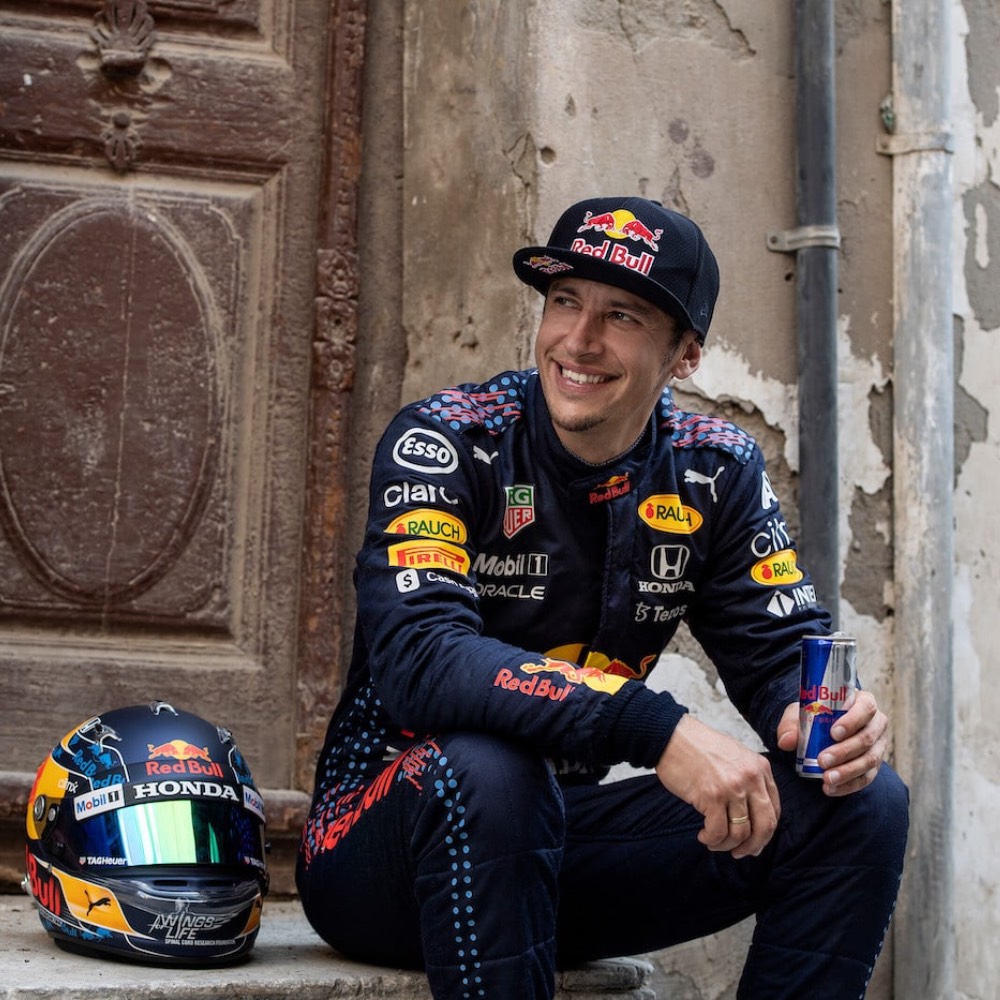
On 19 July 2005, Friesacher's Formula One career ended abruptly when Minardi announced that he had been dropped from the team due to his personal sponsors' failure to pay the amounts agreed at the season's start, and he was replaced by Robert Doornbos, who completed the remaining races, bringing Friesacher's Grand Prix career to a premature conclusion after just 11 starts and with the curious distinction of having scored points despite never finishing higher than last place among classified finishers. After his Formula One departure, Friesacher became an exhibition driver for Red Bull Racing and an instructor at the Red Bull Ring in Austria, maintaining connections with the motorsport world while no longer competing at the highest level, and in 2006 he joined A1 Grand Prix racing for Austria at the Mexican Grand Prix, finishing tenth and ninth and scoring three points for the team.
Patrick Friesacher's Formula One legacy is that of a capable driver whose brief Grand Prix career was determined more by financial considerations than by talent or performance, as his sponsors' failure to meet payment obligations ended his time in Formula One despite him driving competently for Minardi, and his three championship points earned at the six-car Indianapolis race remain one of Formula One's statistical oddities, points scored not through competitive performance but through the accident of circumstance that saw most of the field withdraw before the race even began. His status as Red Bull's first junior driver gives him historical significance in the energy drink company's motorsport program, though he never achieved the success of later Red Bull juniors like Vettel, Verstappen, and Daniel Ricciardo, and his story serves as a reminder that even talented drivers from successful junior programs can see their Formula One careers destroyed by financial problems beyond their control, particularly when driving for small teams like Minardi that operate on extremely tight budgets where even minor sponsorship failures can force driver changes mid-season.