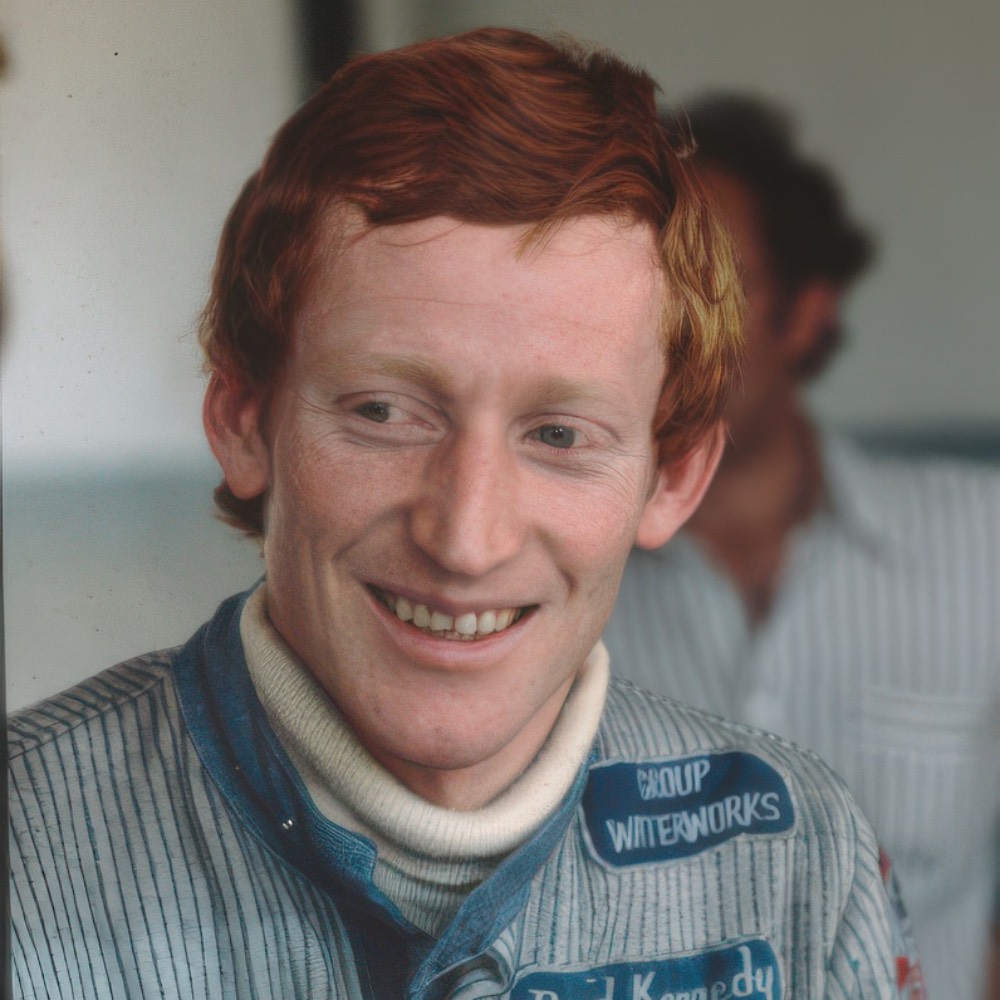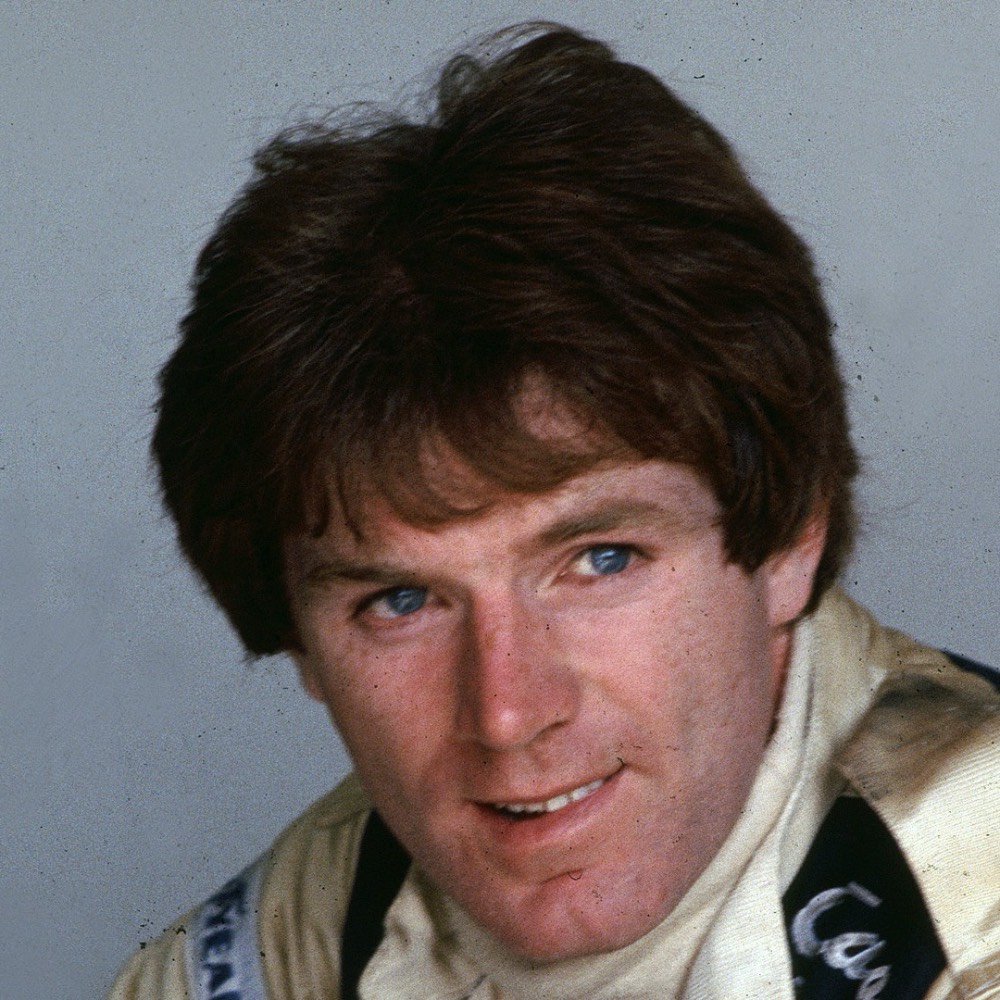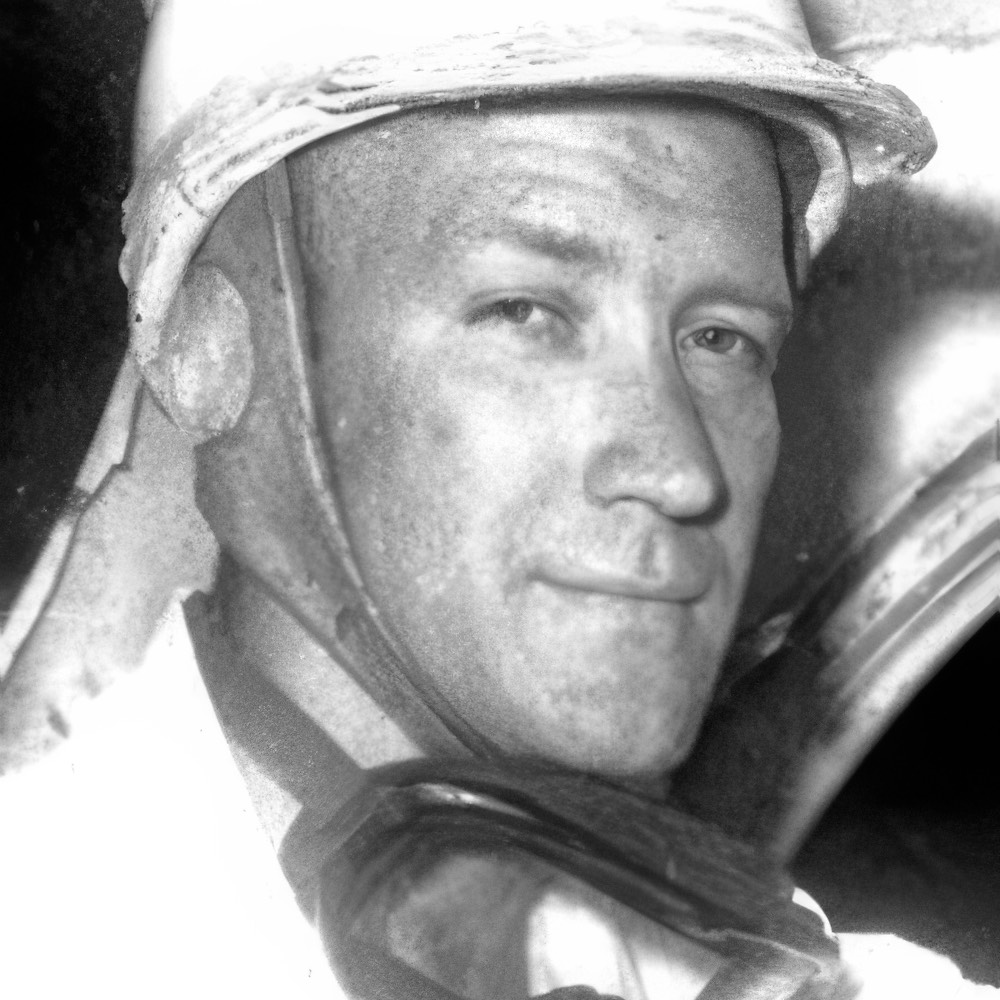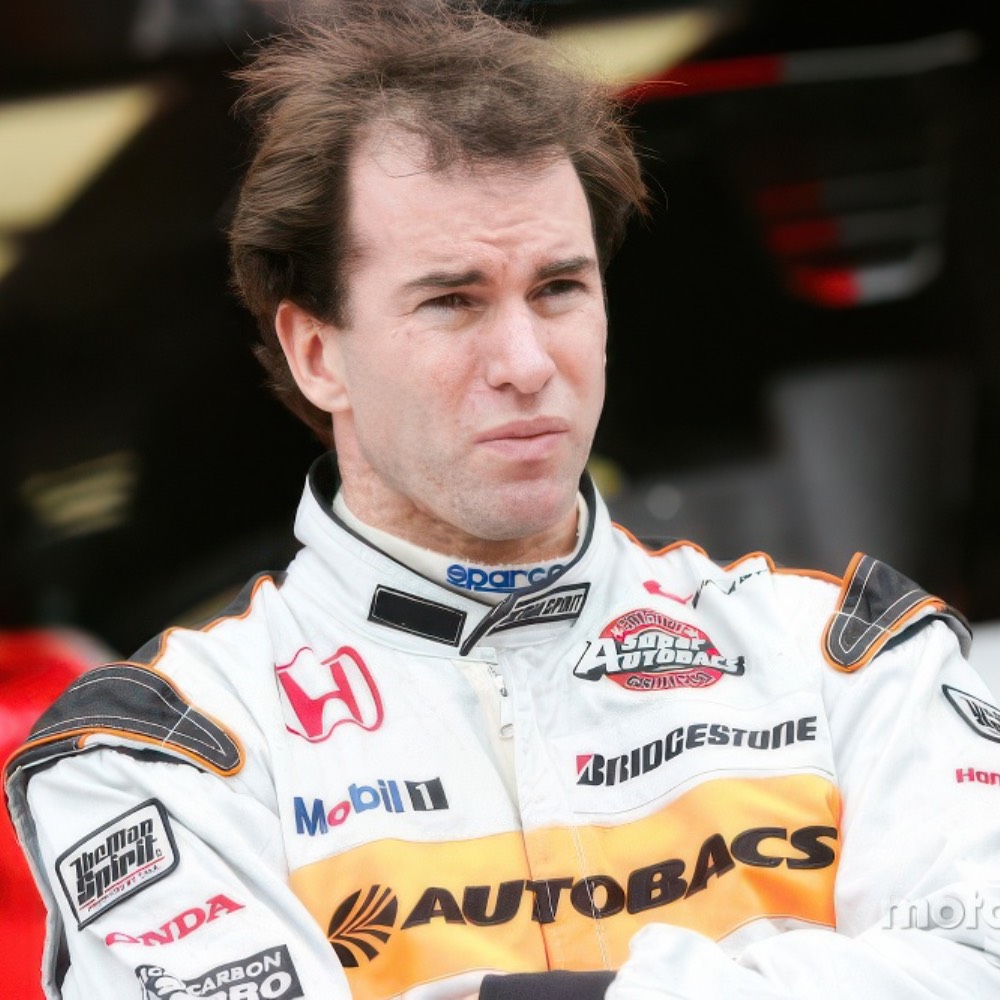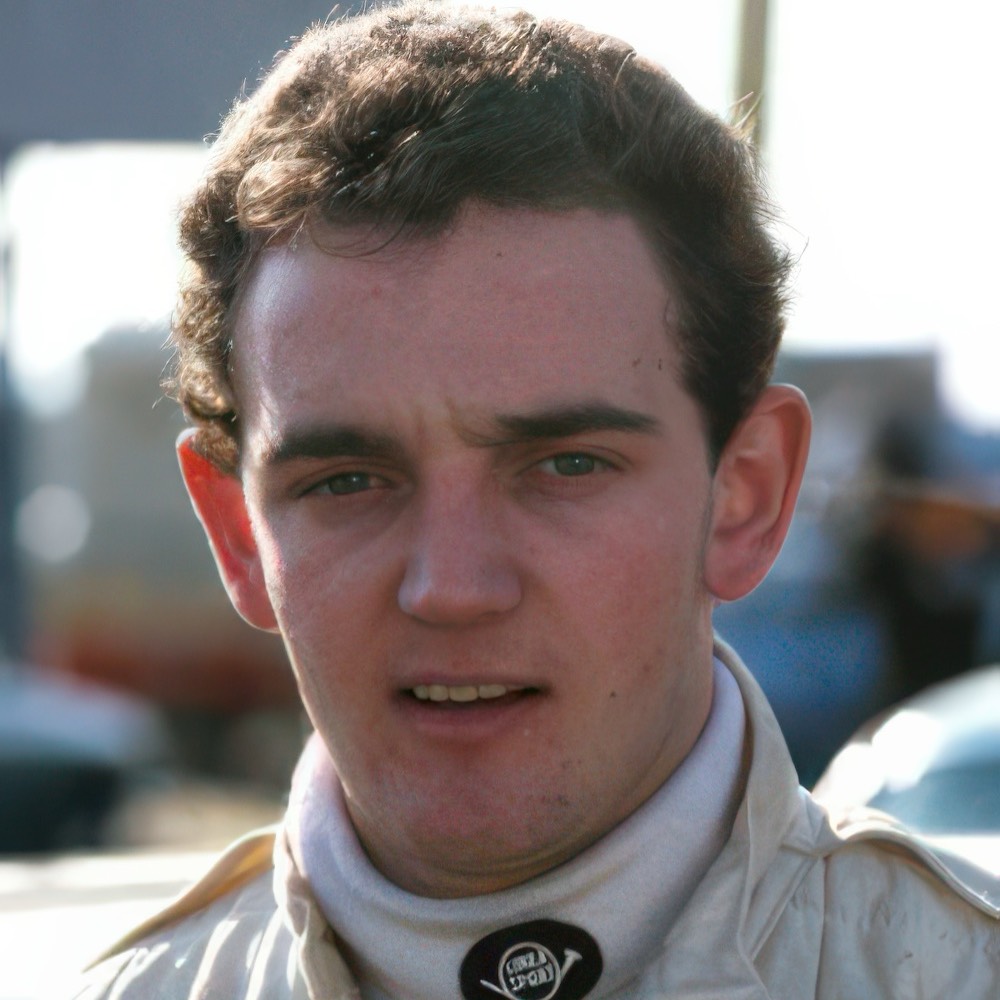
Tommy Byrne
Career Statistics
Biography
Thomas 'Tommy' Byrne (born 6 May 1958) is an Irish former racing driver who competed in two Formula One Grands Prix in 1982, failing to finish either race, but is remembered as one of motorsport's greatest unfulfilled talents, with contemporaries including Ayrton Senna rating him as exceptionally gifted. Born in Dundalk, County Louth, Ireland, Byrne started his motorsport career in road rallies during the 1970s driving an old Mini. However, a bad crash ended his rallying career and redirected him toward circuit racing, where he would demonstrate extraordinary natural talent. Byrne transitioned to Formula Ford and quickly established himself as a phenomenal talent.
In 1981, he moved to Formula Ford 2000, winning both the British and European titles with dominant performances. At the prestigious Formula Ford Festival at Brands Hatch, Byrne stood in for Ayrton Senna and won the event, immediately announcing himself as a driver of exceptional ability. His Festival victory attracted significant attention from the motorsport community, establishing Byrne as one of Britain's hottest racing prospects. For 1982, Byrne graduated to British Formula 3 with Murray Taylor Racing, driving a Ralt-Toyota RT3.
Despite missing several races to pursue Formula One opportunities, Byrne won seven races and captured the British Formula 3 Championship—a remarkable achievement given his partial season. His F3 title while simultaneously attempting Formula One demonstrated extraordinary versatility and speed. Byrne's Formula One opportunity came with the backmarker Theodore team in 1982, one of Formula One's least competitive operations. He attempted to qualify for five Grands Prix, successfully starting two races—the Canadian Grand Prix and the Las Vegas Grand Prix—but failing to finish either due to mechanical failures.
He failed to qualify for the other three races he attempted, highlighting Theodore's lack of competitiveness. Over his brief Formula One career, Byrne scored no championship points from two race starts and three DNQs, statistics that massively understate his talent given the hopelessly uncompetitive Theodore machinery. The defining moment of Byrne's career came in October 1982 when McLaren conducted a test session at Donington Park, comparing Byrne against Marlboro-backed Spirit Racing's European Formula 2 drivers including Stefan Johansson and Thierry Boutsen. McLaren provided Byrne with a deliberately detuned McLaren MP4/1 to prevent him from showing up the works drivers.
Remarkably, despite the handicap, Byrne set lap times quicker than McLaren's race drivers John Watson and Niki Lauda—an extraordinary achievement that proved his exceptional talent. Lauda himself later acknowledged Byrne's incredible speed during that test. Despite this sensational McLaren test performance, Byrne's abrasive personality, working-class Irish background, and lack of financial backing prevented him from securing a top Formula One drive. The sport's politics and sponsor requirements meant that raw talent alone couldn't overcome the barriers Byrne faced.
Frustrated by Formula One's politics, Byrne made a brief return to Formula 3 in 1983, driving for Eddie Jordan, before abandoning European racing entirely. In 1986, Byrne moved to the United States to compete in the American Racing Series (later called Indy Lights), where he achieved significant success. Over 55 race starts, Byrne won ten races and finished as championship runner-up in both 1988 and 1989, demonstrating that his talent translated to American open-wheel racing. His American success proved he could win consistently when provided competitive equipment—something he'd never received in Formula One.
After retiring from professional racing, Byrne settled in Florida where he became a racing instructor, teaching defensive and high-performance driving courses for Honda and Acura at the Mid-Ohio Sports Car Course. His instruction work allowed him to remain connected to motorsport while earning stable income, though it represented a far cry from the Formula One career his talent deserved. In 2008, Byrne published his autobiography 'Crashed and Byrned: The Greatest Racing Driver You Never Saw,' a brutally honest account of his career, personality clashes, and the politics that prevented his Formula One success. The book won the 2009 William Hill Irish Sports Book of the Year, bringing renewed attention to Byrne's story and the talent that went unfulfilled.
Fellow drivers who raced against Byrne have consistently praised his abilities. Gerhard Berger stated 'Tommy Byrne was an outstanding talent,' while Eddie Jordan declared 'Tommy Byrne was one of the greatest talents that never made it to the top of Formula 1.' Ayrton Senna himself rated Byrne highly after competing against him in Formula Ford. Today, Tommy Byrne is remembered as one of motorsport's great 'what ifs'—a driver with possibly World Championship-winning talent whose career was derailed by politics, personality, lack of money, and the misfortune of his only Formula One opportunity coming with one of the grid's worst teams.
His McLaren test lap times remain testament to the exceptional speed that so many contemporaries witnessed but that Formula One fans never saw properly showcased. Byrne's story serves as a reminder that raw talent alone isn't sufficient for Formula One success, and that countless gifted drivers have been denied opportunities due to factors beyond their control.