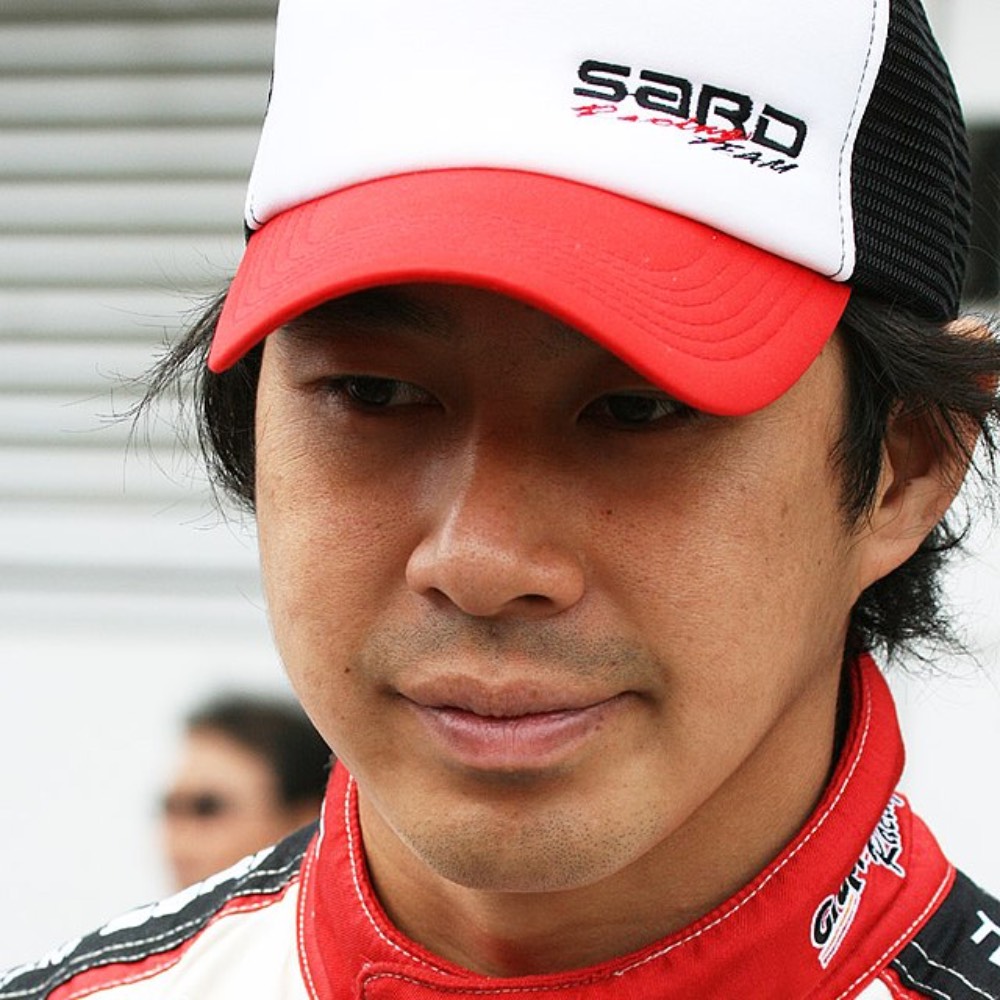
Toranosuke Takagi
Career Statistics
Biography
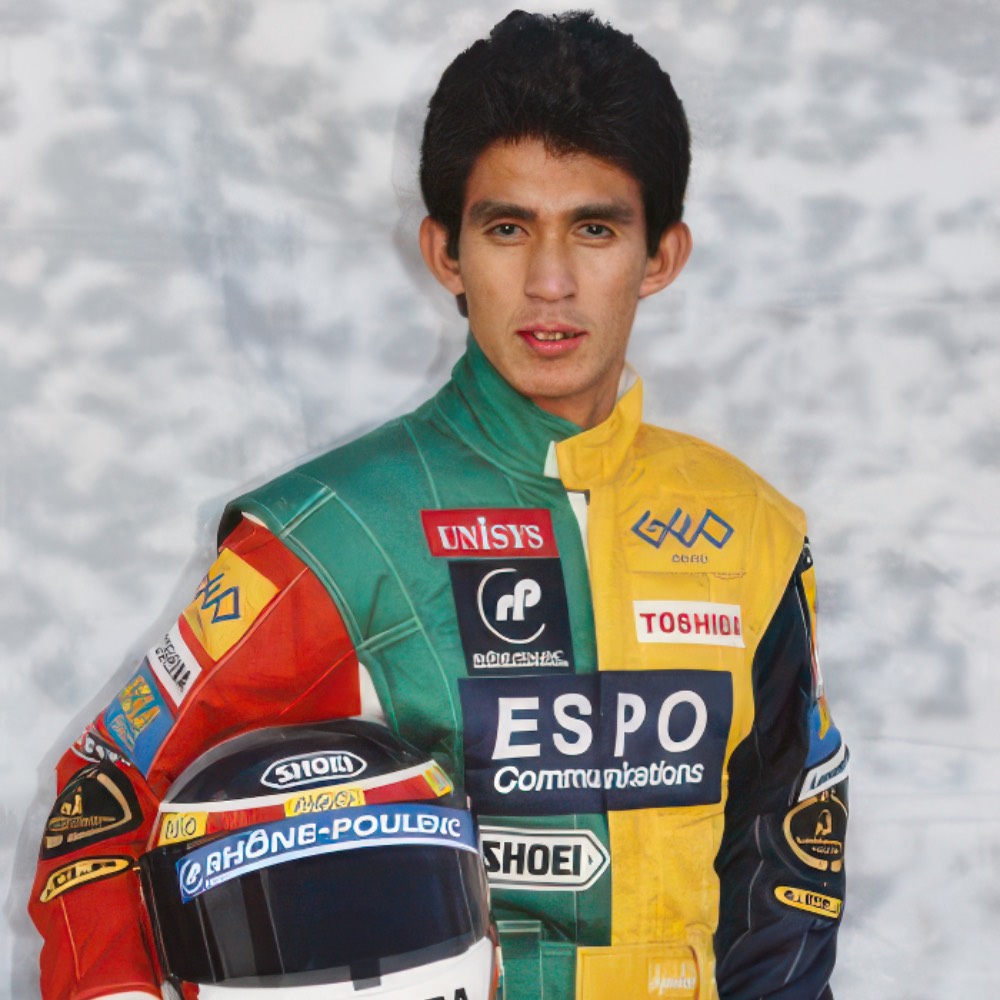
Toranosuke 'Tora' Takagi (12 February 1974 - Present): Japanese racing driver born in Shizuoka whose father was a touring car driver, inspiring his racing career. Began racing karts in the early 1980s, competing in his first championship kart race in 1987. His karting achievements included winning the prestigious Japanese A2 National Kart Series championship in both 1989 and 1990, dominating the domestic scene. After winning several All Japan National Kart A2 series races, Takagi ended his kart racing career in 1991 and transitioned to cars, beginning in Formula Toyota in 1992.
In 1993, began competing in the highly competitive All Japan Formula Three Championship, finishing tenth in his rookie season, a solid start. During a 1994 Formula Three race, his performance drew the attention of Japanese Formula One legend Satoru Nakajima, Japan's first full-time F1 driver. Joined Nakajima's Nakajima Racing team and moved up to Formula 3000 for 1995. Finished an impressive second in the 1995 Japanese Formula 3000 championship with Nakajima Planning, scoring three victories and establishing himself as one of Japan's brightest talents, narrowly missing the title.
His strong F3000 performances earned him a Formula One opportunity. Chosen as Tyrrell's Formula One test driver for 1997, learning the ropes and preparing for a race seat. Graduated to a full-time race seat with Tyrrell for 1998, partnering Brazilian driver Ricardo Rosset. Despite driving uncompetitive machinery, finished in the top ten twice during his debut season, including ninth place at the British Grand Prix at Silverstone and ninth at the Italian Grand Prix at Monza, both outside the points-paying positions but creditable results.
In 1999, moved to Arrows, replacing the retiring Mika Salo, and competed alongside Spanish driver Pedro de la Rosa. Scored two top-ten finishes that season, including a career-best seventh place at the 1999 Australian Grand Prix in Melbourne, his best Formula One result. However, there were significant organizational and communication problems between Takagi and both Tyrrell and Arrows teams, partly due to language barriers and cultural differences, which affected his integration and performance. These difficulties, combined with limited sponsorship support, led to his departure from Formula One at the end of the 1999 season after 32 Grand Prix starts without scoring championship points.
Returned to Japan for 2000 and rejoined Satoru Nakajima's Nakajima Racing team in Formula Nippon (Japan's premier single-seater series). Produced the most dominant performance ever seen in the series, earning eight victories in ten races—an unprecedented win rate that remains the championship record. This remarkable achievement demonstrated that his talent far exceeded his Formula One results suggested. Moved to American racing, joining the Walker Racing team in CART (Champ Car) for 2001 and 2002.
Achieved a career-best fourth-place finish in Houston, Texas, showing competitiveness in American open-wheel racing. In 2003, competed in the iconic Indianapolis 500, starting in seventh place and finishing in fifth position—an excellent result that earned him the prestigious Indianapolis 500 Rookie of the Year award, a significant honor at America's greatest race. Returned to Japan and transitioned to sports car racing in the Super GT series. In 2005, claimed the Super GT championship title in the GT500 class (the series' top category) alongside co-driver Yuji Tachikawa, making him the first Super GT rookie to become champion in the GT500 class since John Nielsen and David Brabham in 1996, and the last until Jenson Button achieved the feat in 2018.
This championship cemented his status as one of Japan's most versatile and successful racing drivers. Continued competing in Super GT for several more seasons, achieving multiple race wins and podiums. Post-racing, remained involved in Japanese motorsport. Takagi's career demonstrates that Formula One success doesn't define a driver's ability—his dominant performances in Formula Nippon and Super GT proved he possessed world-class talent that simply wasn't showcased during his brief F1 tenure with uncompetitive teams.