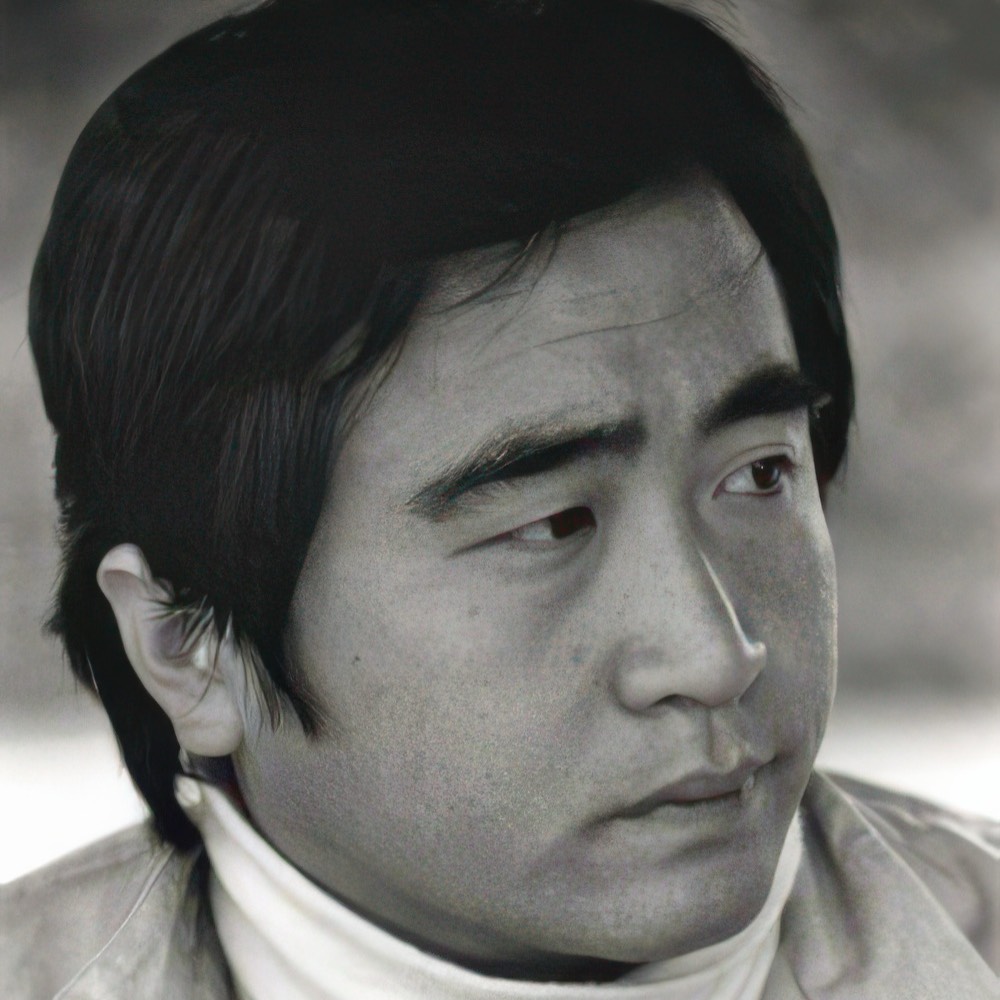
Noritake Takahara
Career Statistics
Biography
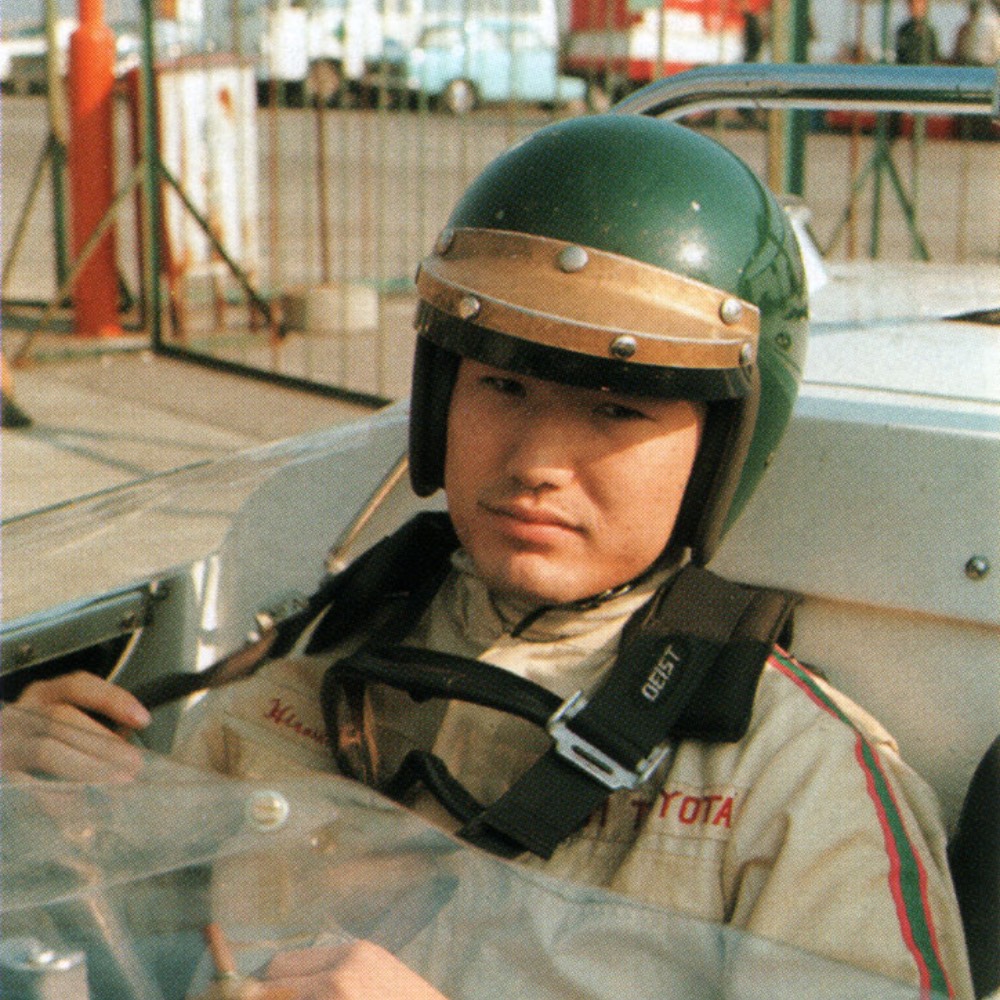
Noritake Takahara (6 June 1951 - Present): Japanese racing driver from Tokyo who participated in two Formula One World Championship Grands Prix in 1976 and 1977, becoming alongside Masahiro Hasemi and Kazuyoshi Hoshino one of the first three Japanese drivers to start a Formula One Grand Prix, and who achieved the distinction of being the first Japanese driver to finish a World Championship Grand Prix when he completed the 1976 Japanese Grand Prix in ninth place. Takahara began his racing career in 1969 driving a Honda S800 Coupe in Japanese national championships, quickly demonstrating natural talent and car control. He progressed through Japanese Formula racing categories during the early 1970s, becoming one of Japan's leading single-seater drivers and establishing himself as a multiple champion in domestic series.
His greatest national success came in Japanese Formula 2000, where he won the championship twice in 1974 and 1976, and finished runner-up in 1975 and third in 1973, establishing complete dominance of the category during the mid-1970s. Takahara also won the prestigious Fuji Grand Champion Series three times in 1973, 1975, and 1976, and finished runner-up in 1974, collecting 17 victories and 30 podiums in that championship, cementing his reputation as Japan's finest circuit racer of the era. His Formula One opportunity came at the 1976 Japanese Grand Prix at Mount Fuji on 24 October 1976, the dramatic rain-soaked race that decided the World Championship between James Hunt and Niki Lauda. Driving a Surtees TS19-Ford entered by the Kojima Engineering team, Takahara qualified alongside compatriots Hasemi and Hoshino, making them the first Japanese drivers to start a Formula One Grand Prix.
In appalling conditions that saw Lauda withdraw after two laps due to safety concerns and multiple cars aquaplaning off the circuit, Takahara drove a measured, intelligent race and brought his Surtees home in ninth place, completing 72 of 73 laps. This achievement made him the first Japanese driver to finish a World Championship Grand Prix, a historic milestone for Japanese motorsport that paved the way for future generations. While ninth place did not score championship points (only the top six scored in 1976), the accomplishment in such treacherous conditions demonstrated Takahara's skill and composure. Takahara returned for his second and final Formula One appearance at the 1977 Japanese Grand Prix at Mount Fuji on 23 October 1977, this time driving a Kojima KE009-Ford, the Japanese-built Formula One car designed by Masahiro Hasemi's Kojima Engineering team.
Sadly, Takahara crashed during the race and retired after 18 laps, unable to replicate his 1976 finish. This would be his final Formula One World Championship appearance, ending his grand prix career with two starts, one finish, and zero points, but with the historic distinction of being Japan's first finisher. Beyond his two Formula One appearances, Takahara continued as a leading contender in Japanese Formula 2 throughout the late 1970s, driving Nova, Martini, and March chassis and competing successfully against both domestic and visiting international drivers. He also maintained a successful sports car racing career, competing in both Japanese national sports car championships and World Endurance Championship rounds when they visited Japan, racing Porsche, Toyota, and other machinery until 1986.
His sports car success included numerous podium finishes at Japanese endurance classics and consistent top-five championship placings. Following his retirement from active competition in 1986, Takahara transitioned into Japanese motorsport management and administration, working with various racing organizations to develop the sport in Japan and mentor younger drivers. He became involved with circuit management, race organization, and driver development programs that helped establish Japan's modern motorsport infrastructure. Throughout the 1990s and 2000s, he remained a respected elder statesman of Japanese racing, frequently attending events and providing insights for Japanese motorsport media.
Takahara's pioneering role as one of Japan's first Formula One drivers cannot be overstated—his 1976 finish opened doors for subsequent Japanese drivers including Satoru Nakajima (who became Japan's first full-time Formula One driver in 1987), Aguri Suzuki, Ukyo Katayama, Takuma Sato, and Kamui Kobayashi. His achievements came during an era when Japanese motorsport was still developing its international presence, and his success demonstrated that Japanese drivers could compete at Formula One level when given appropriate opportunities and equipment. The fact that Takahara achieved his historic first finish in the treacherous conditions of the 1976 Japanese Grand Prix, where multiple World Champions struggled and Lauda withdrew, adds particular luster to his achievement.
Known for his smooth driving style, technical feedback ability, consistency, and professionalism, Takahara represented Japanese motorsport with distinction and played a crucial role in establishing Japan's Formula One credentials during the pioneering era of the 1970s. His legacy extends far beyond his two grand prix starts, encompassing his multiple Japanese championships, his historic first finish, and his subsequent contributions to developing Japanese motorsport into the powerful force it became by the 1980s and beyond.